Where Elephant Pan sits
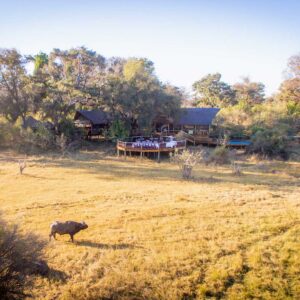
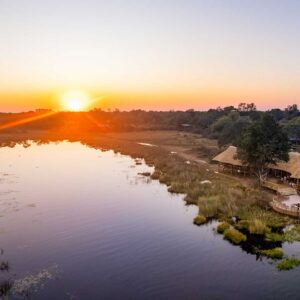
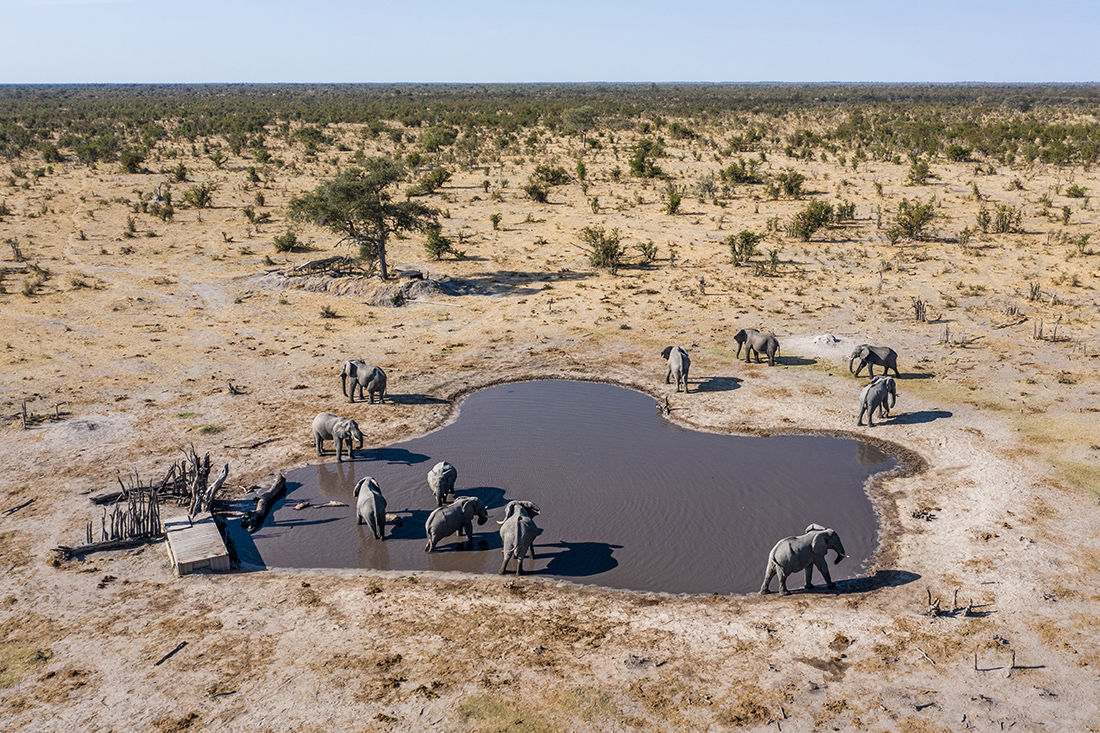
Elephant Pan stands among sandy mopane forests in the drier interior of the Khwai Private Reserve, away from the water channels that define the rest of the region. The camp is built beside a waterhole, and in dry country a waterhole is where everything eventually comes.
The waterhole
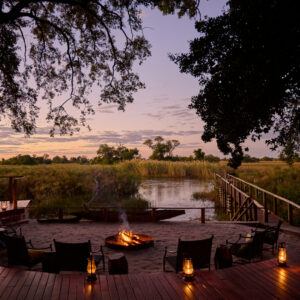
The pan on the camp’s edge is the whole point. Elephant come to it in numbers, and guests watch from the tents and the main area rather than from a vehicle. The camp’s own description is a front-row seat, which is fair.
The tents
There are eight tents, all overlooking the waterhole. The operator describes the camp as stylishly simple, and is explicit that this is not a place for opulence — the fittings are straightforward and the setting does the work.
What a day looks like
You open the tent flaps in the morning onto elephant in the water below, spend the middle of the day watching herds splash and snort, and fall asleep to antelope grazing outside the canvas. Very few camps can offer that without a drive.
The underground hide
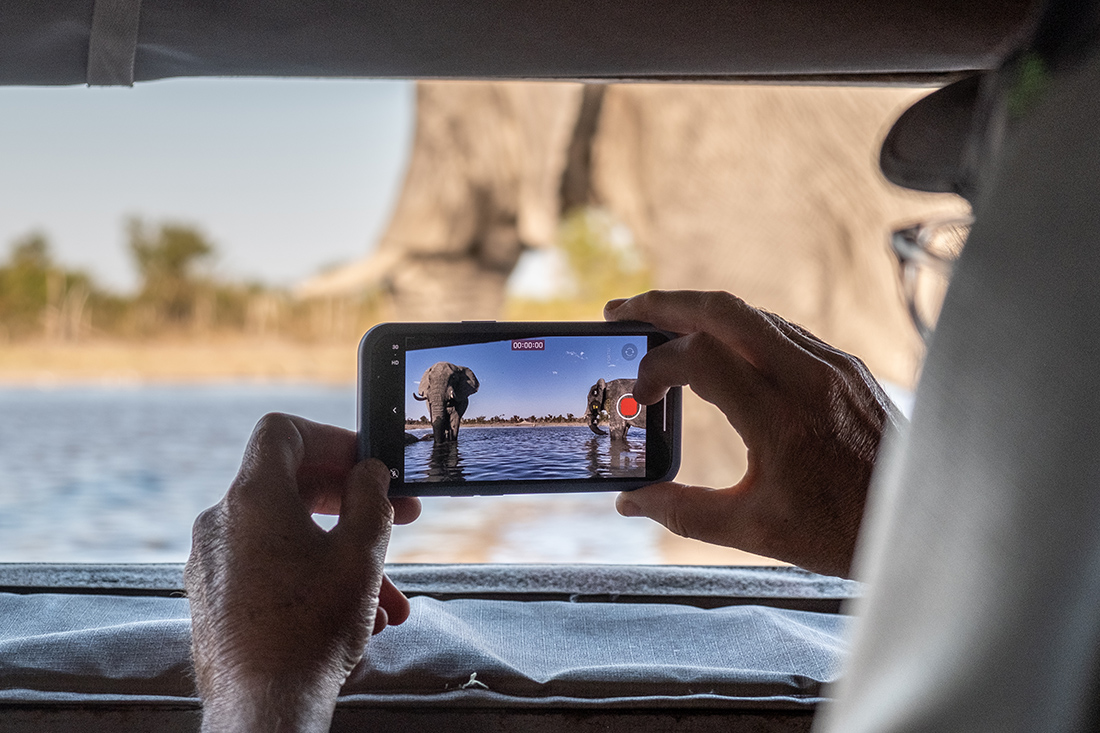
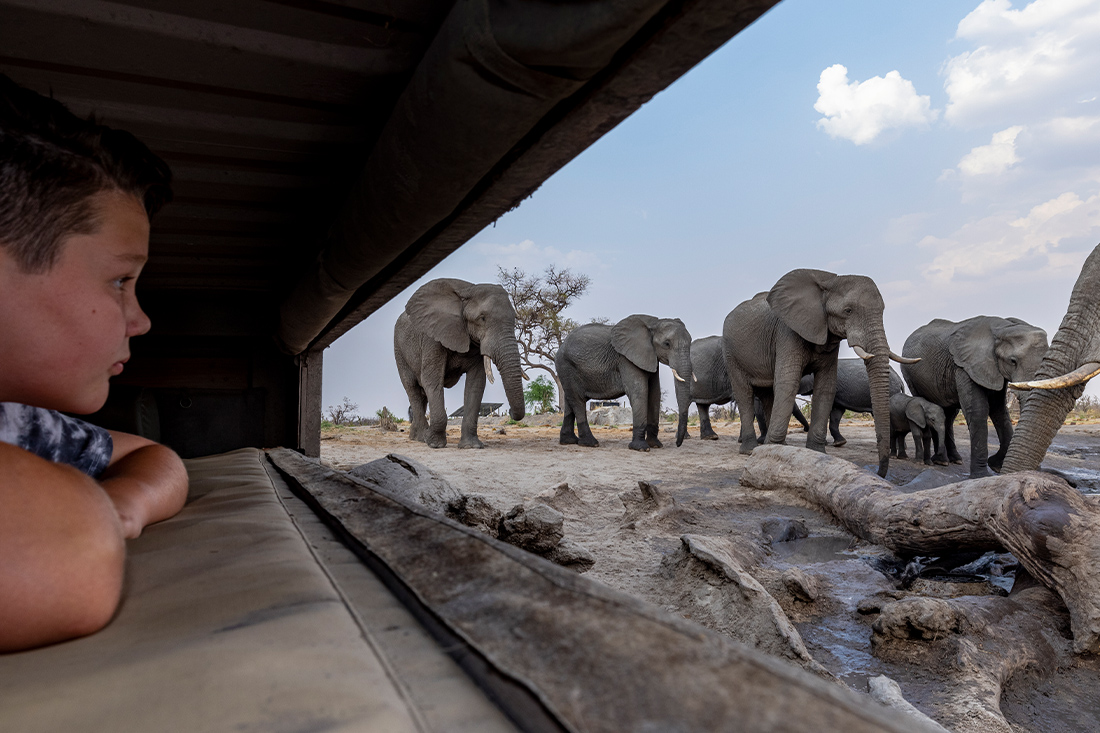
The camp has an underground hide at the water, putting guests at eye level with drinking elephant. Photographing elephant from below eye level, a few metres away, is something almost no other camp in Botswana offers.
Game drives
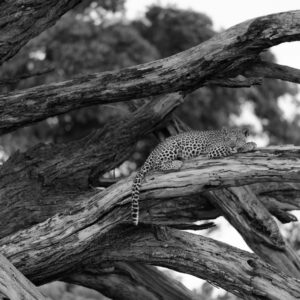
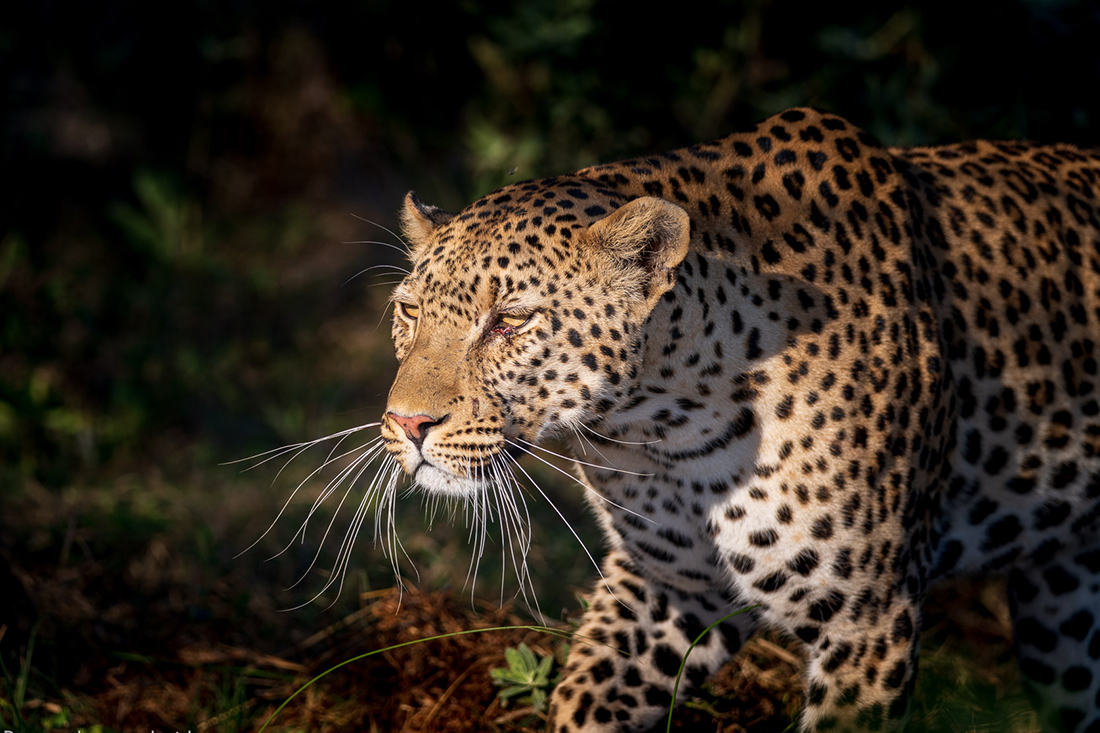
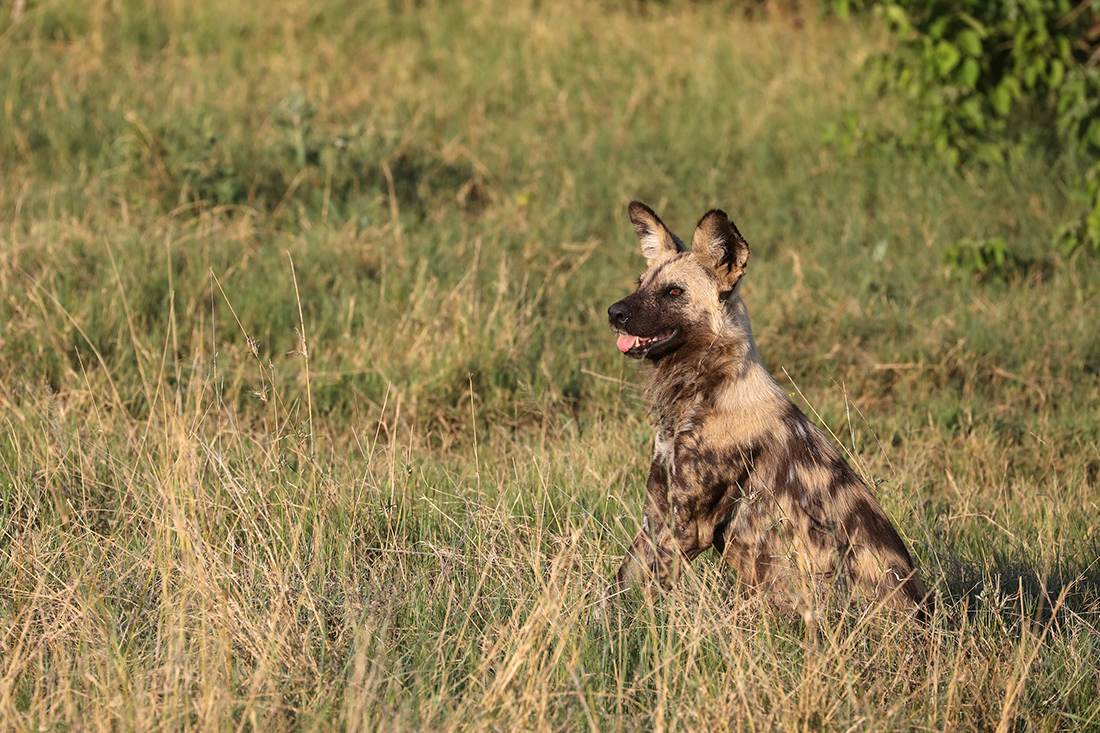
Game drives run into the wider Khwai Private Reserve, which is private land and therefore not restricted to national park hours or roads. Khwai carries elephant, lion, leopard and one of the region’s better wild dog populations.
The mopane country
The drier mopane interior is a different habitat from the Khwai riverfront and the Delta channels, and it holds a different set of species. Combining Elephant Pan with a water camp gives a much fuller picture of the region than either alone.
Value
Elephant Pan is among the more accessible camps on the reserve in price terms, which suits travellers who would rather spend their nights on game than on fittings.
Community and conservation
The Khwai Private Reserve is a joint venture with Khwai Village, and revenue from stays supports that community alongside the reserve’s conservation work.
When to visit
The camp is open year-round, but the waterhole is at its most dramatic through the dry months from roughly June to October, when surface water elsewhere has gone and the elephant have nowhere else to drink.