

Botswana Parks & Reserves
Four kinds of protected area, four sets of rules, and a booking system that catches most first-time visitors out.
Chobe National ParkMoremi Game ReserveStill water and drowned trees along the Savuti Channel, northern Botswana. Photo: diego_cue, CC BY-SA 3.0, via Wikimedia Commons.
Almost everything that puzzles first-time visitors — why one camp offers night drives and another does not, why most of the Okavango cannot be driven, why there is no single website for booking a park — comes down to land tenure. This index to Botswana parks and reserves explains who holds what and what each category of land permits.
The land tenure picture behind Botswana parks and reserves
Protected areas are governed by the Wildlife Conservation and National Parks Act 1992, administered by the Department of Wildlife and National Parks. Botswana Tourism states that 38% of the national land area is dedicated to parks, reserves and wildlife management, most of it unfenced — which is why animals move between categories of land far more freely than visitors do.
National parks and game reserves
State land, declared by presidential order and open to anyone on payment of the prescribed entry fee. Chobe and Nxai Pan are national parks; Moremi, Central Kalahari and Khutse are game reserves. Visitor rules are much the same across both, and both are managed by the wildlife department.
Wildlife Management Areas and the NG blocks
WMAs are statutory zones where wildlife is the primary land use — the buffer and corridor land around and between the parks. Most photographic safari concessions sit on WMA land rather than inside a park. In Ngamiland the blocks carry an NG prefix and a number: NG14 Kwando, NG15 Linyanti, NG16 Selinda, NG18 and NG19 Khwai, NG34 Sankuyo. Operators hold leases and are capped on lodges, rooms and beds — the mechanism behind Botswana’s low-density model. Roughly 60% of the Okavango Delta World Heritage property is WMA rather than Moremi, and block-to-operator pairings change as leases turn over.
Community trusts
Communities do not own the land or the wildlife. Under community-based natural resource management, introduced in the early 1990s, they hold lease rights and normally sub-lease to a safari operator, earning lease fees, bed-night levies and employment through a registered trust. The Chobe Enclave Conservation Trust, formalised in 1994, was the first. Researchers note a structural problem worth stating plainly: benefits flow to village projects while the costs of living with wildlife fall on households.
Private reserves
Northern Tuli in the east is one of southern Africa’s largest privately owned reserves, made up of the Mashatu, Tuli Safari Lodge and Nitani concessions. Mokolodi near Gaborone is run by a not-for-profit foundation; Khama Rhino Sanctuary near Serowe is a community trust. All set their own rules.
What you can and cannot do, and where
- Inside national parks and game reserves: daytime driving only, on established tracks, at 40 km/h. Night drives, walking safaris and off-road driving are generally not permitted — but anyone may enter on payment of fees.
- Inside private and community concessions: access is limited to booked guests of the camp holding the lease, but the concession’s own rules apply — night drives, guided walks and off-road predator tracking are commonly allowed, with far fewer vehicles.
- The notable exception: Khwai (NG19), a community concession on the north-eastern edge of the Delta, permits night drives and walking and is genuinely self-drivable, though its roads deteriorate badly in the rains. Neighbouring NG18, the Khwai Private Reserve, is camp-based; the two are constantly confused.
This is the practical argument for splitting a trip between a park and a concession rather than choosing one; our safaris and activities pages cover what each involves.
The main protected areas
- Chobe National Park — the far north, four sections, the largest elephant concentrations in the country.
- Moremi Game Reserve — the public, drivable portion of the Okavango, proclaimed by the Batawana people in 1963.
- Central Kalahari Game Reserve, Kgalagadi Transfrontier Park including Mabuasehube, and Khutse Game Reserve — the Kalahari reserves. Guides in preparation.
- Makgadikgadi Pans and Nxai Pan National Park — the pan complex either side of the A3. Guides in preparation.
- Northern Tuli Game Reserve, Khama Rhino Sanctuary, Mokolodi Nature Reserve and Nata Bird Sanctuary — private and community areas. Guides in preparation.
One conflict we will not paper over: Botswana Tourism calls Makgadikgadi a game reserve while most references call it a national park, and published sizes for Moremi, Nxai Pan, Kgalagadi and Mokolodi differ between sources.
Botswana park fees: how the charges are structured
Short answer: you pay three separate things — a daily entry fee per person, a daily vehicle fee, and, if you are staying inside, a per-person camping fee per night. They are charged separately and often booked separately.
Who you pay is the part that catches people out. Park entry and vehicle fees go to the Department of Wildlife and National Parks. Camping inside a park is booked with whoever holds the concession for that specific site, and there is no single body and no single website for all of it: in Moremi alone, South Gate and Xakanaxa, Third Bridge, and North Gate at Khwai are run by three different operators. Camping is normally settled before park fees. Our camping guide sets out who runs which site.
We publish no fee amounts, because we cannot verify current ones. The structure is stable even as figures change: parks fall into two categories, Chobe and Moremi in the higher one; entry is per person per day, banded by citizen, resident and non-resident status, with a lower tariff for tour operators’ clients; vehicle fees are separate and daily, banded by weight, registration and use; and camping is separate again, per person per night.
An increase proposed for 1 April 2026 was postponed the day before it was due, after industry objections that consultation had been inadequate; later reporting suggested a two-year deferral. Confirm current fees with the wildlife department before travelling. There is also no single national reservations body: the department collects entry fees and runs some campsites, while many others are managed by private concessionaires and booked separately. In the remoter reserves a campsite booking is effectively a precondition of entry, and a year’s notice is normal for peak season.
Botswana’s two UNESCO World Heritage Sites
Botswana has exactly two inscribed properties. Tsodilo, inscribed in 2001 as a cultural site, is a group of quartzite outcrops in north-western Ngamiland holding over 4,500 rock paintings and evidence of human activity across at least 100,000 years, sacred to local San and Hambukushu communities. The Okavango Delta, inscribed in 2014 as a natural site, was cited explicitly for its reversed hydrological cycle, in which the annual flood arrives during the dry season.
Seven further sites sit on the UNESCO Tentative List, among them the Central Kalahari, the Chobe–Linyanti system, the Makgadikgadi Pans and the Gcwihaba Caves. Tentative-list sites are not World Heritage Sites. The listing signals an intention to nominate and confers no protection. Four of the seven are visitable, so the distinction matters.
Guided trips into the parks
Mobile and lodge safaris that link Moremi, Khwai, Savuti and Chobe, with fixed departure dates.

Every card opens our own tour page first. Booking happens on the operator’s site, where the live price and availability are.
Plan the rest of your trip
- Destinations — the six regions and their gateways.
- Self-drive — driving in parks and booking campsites.
- Camping in Botswana — who runs the public campsites, how private and community camps differ, and the booking order.
- Accommodation, wildlife and seasons, safaris and activities, itineraries and travel planning.
Sources and references
- Botswana Tourism — Parks and Reserves
- Wildlife Conservation and National Parks Act 1992
- Government of Botswana — park and campsite bookings
- UNESCO — Botswana, Tsodilo and Okavango Delta
- BIOFIN — protected area fee reform and the 2026 postponement
- Ecology & Society — CBNRM and the Chobe Enclave
The parks written up so far
We publish a park page when we can source it properly. These nine are finished; the rest are in preparation.
 Chobe National Park
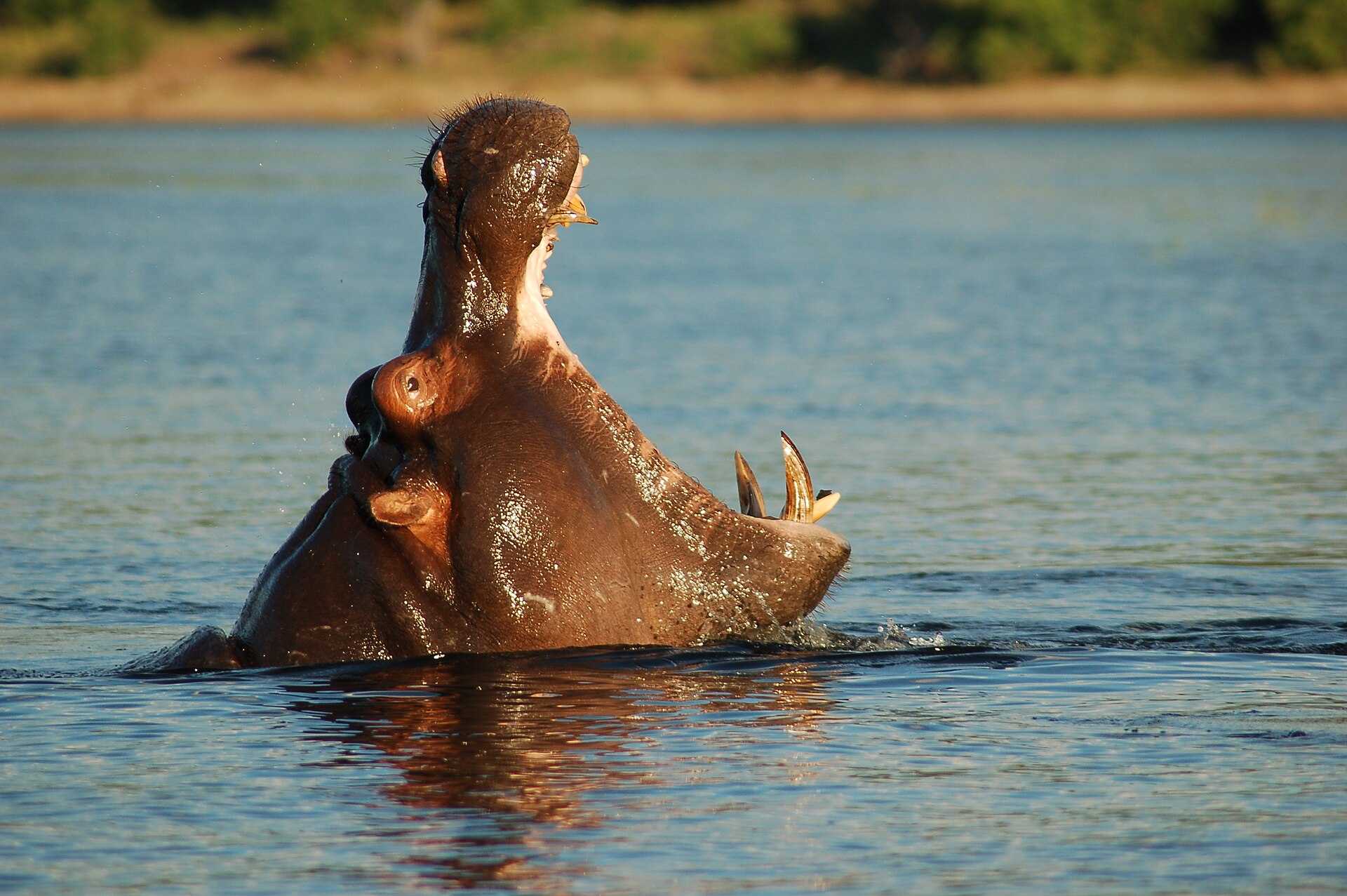
The riverfront, Savuti and Linyanti — three very different places inside one boundary.
Open →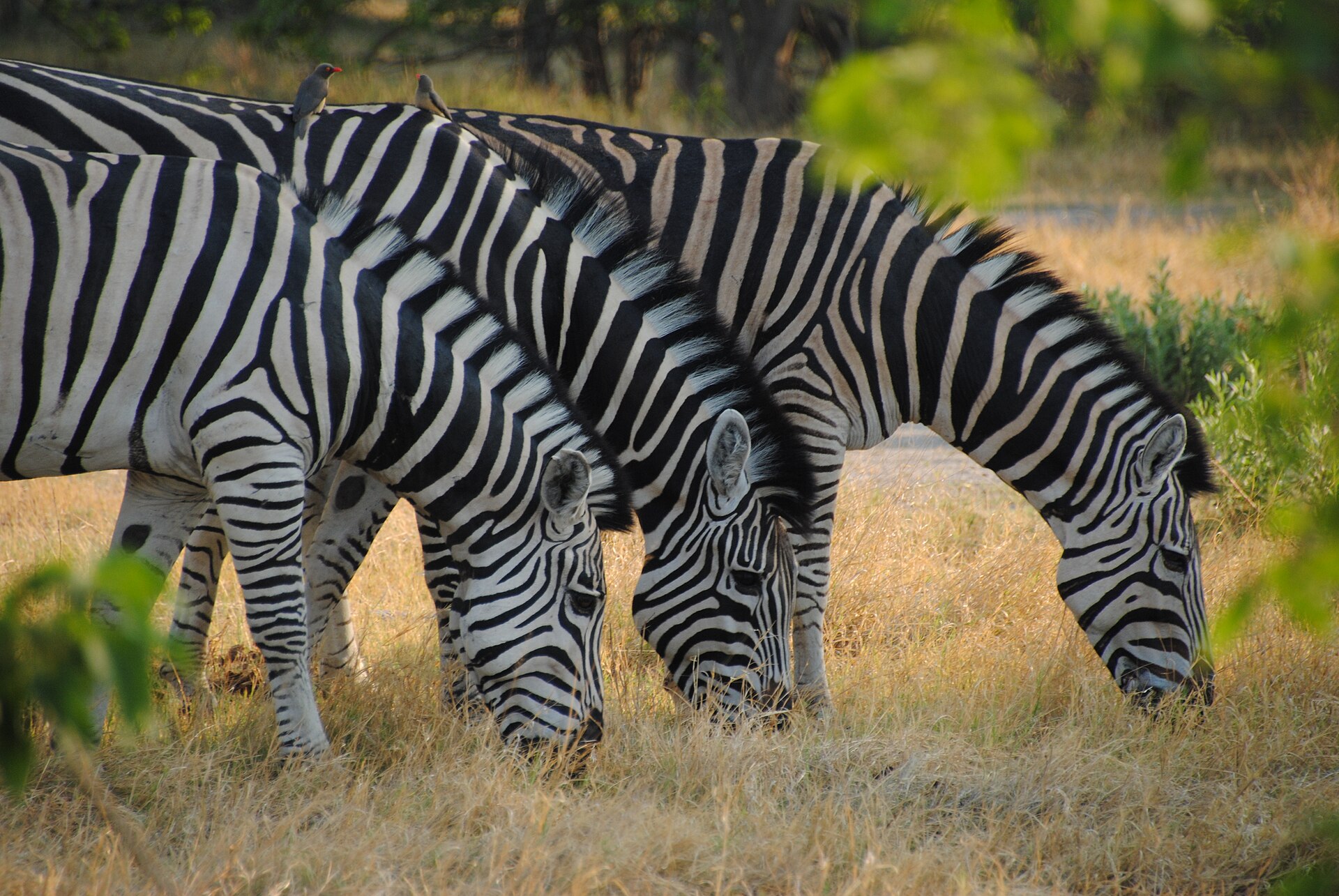 Moremi Game Reserve
The reserve on the Delta’s eastern edge, and the split between its drivable and water-bound halves.
Open →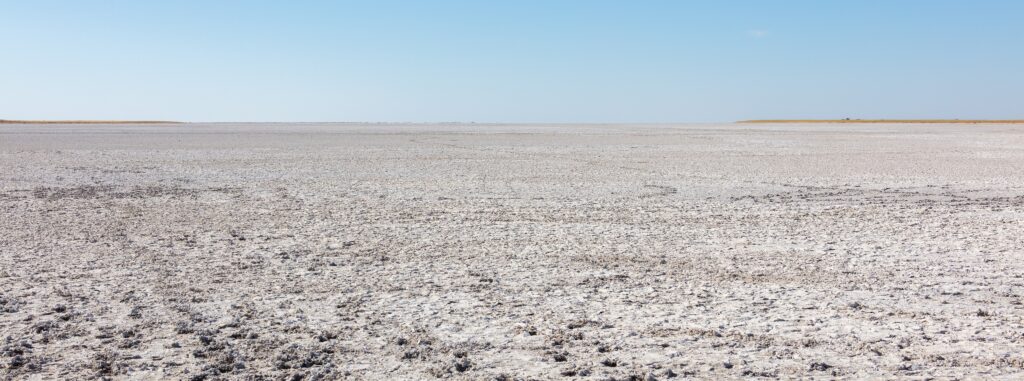 Makgadikgadi Pans National Park
Salt pan, grassland and the Boteti — a park that runs on the wet season.
Open →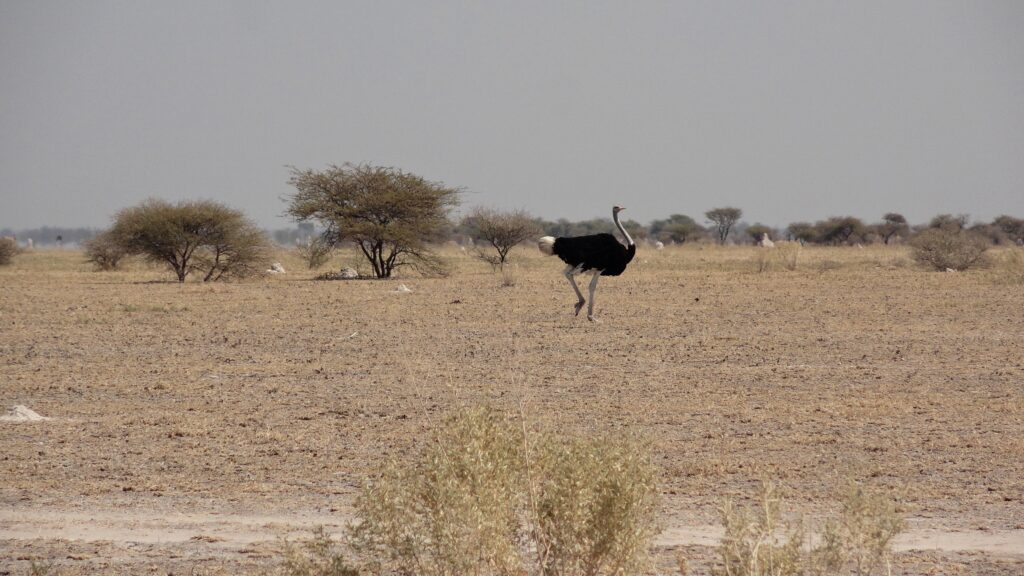 Nxai Pan National Park
Grassed pans, acacia islands and Baines’ Baobabs, north of the A3.
Open →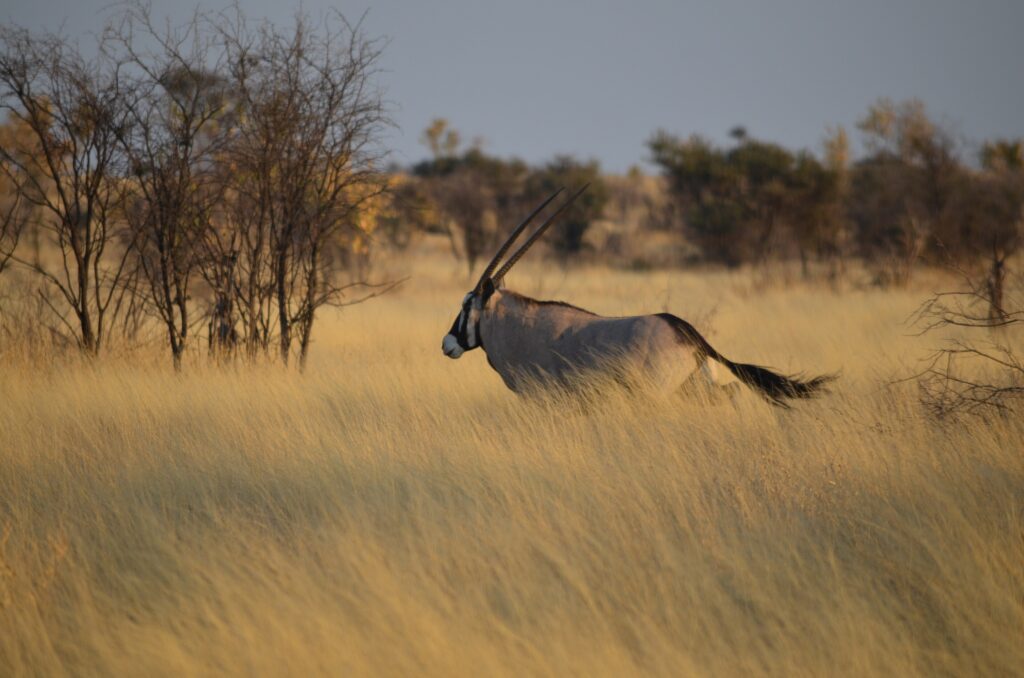 Central Kalahari Game Reserve
52,800 km², three gates on opposite sides, and Deception Valley in the north.
Open →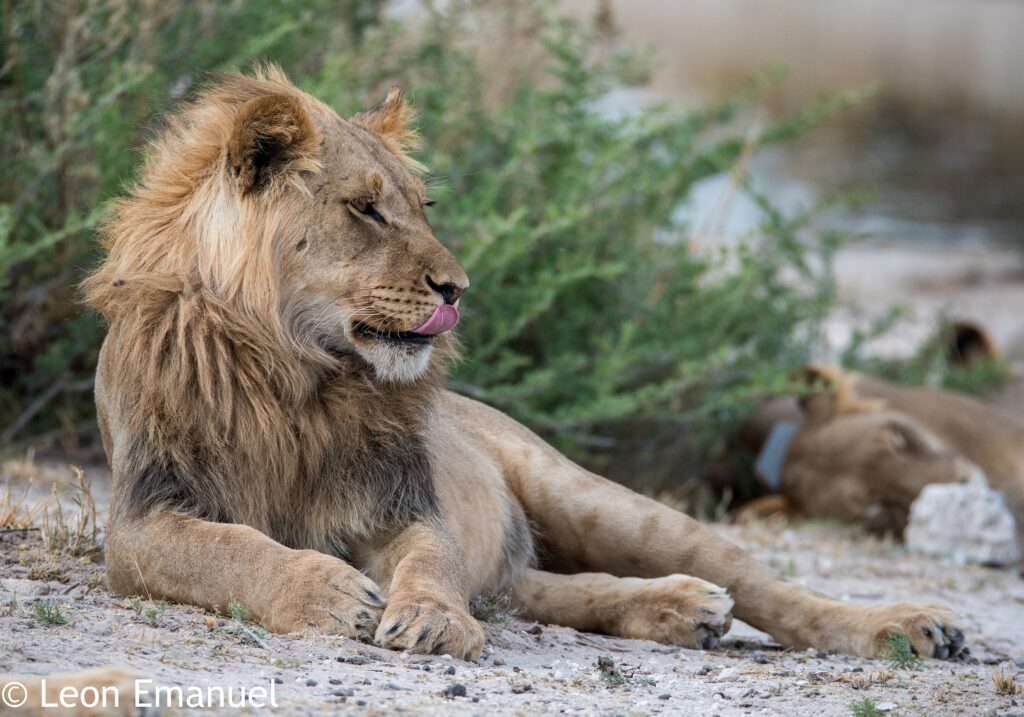 Khutse Game Reserve
Unfenced against the Central Kalahari, and 240 km from Gaborone.
Open →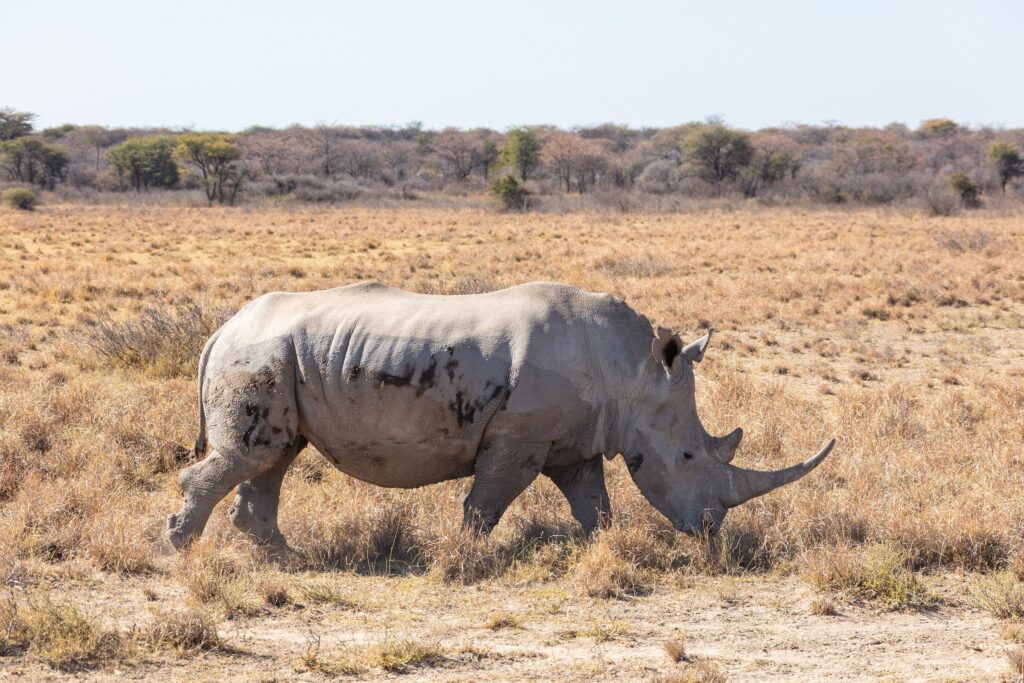 Khama Rhino Sanctuary
A community trust near Serowe, and the most reliable rhino viewing in Botswana.
Open →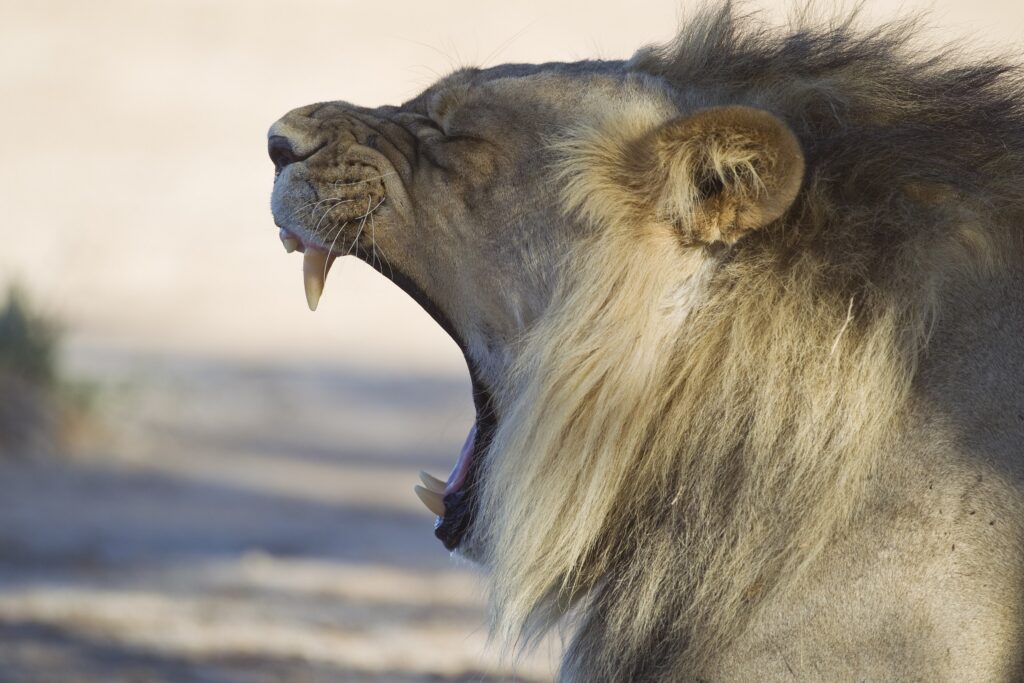 Kgalagadi Transfrontier Park
Africa’s first Peace Park: red dune, salt pan and a two-vehicle convoy rule.
Open →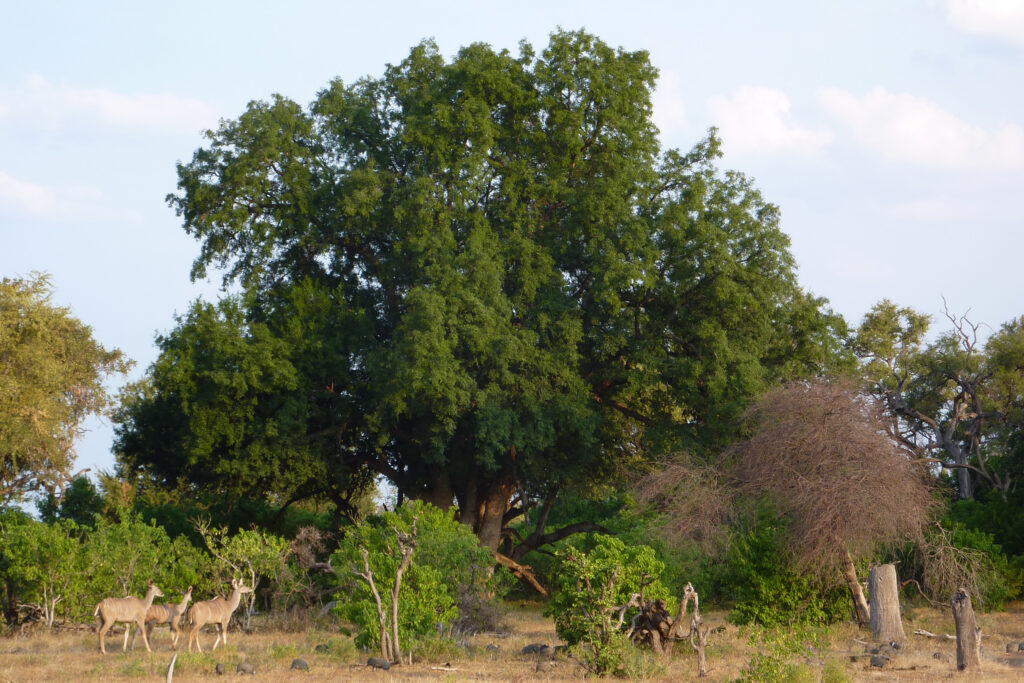 Northern Tuli Game Reserve
Private land at the tri-border, with walking, horseback and bicycle safaris.
Open →Know the category before you book.
A national park, a game reserve, a wildlife management area and a private concession are four different sets of rules — and only one of them lets you drive yourself wherever you like.
All destinationsPlan your trip