
Northern Tuli Game Reserve
Private land at the tri-border — elephant, eland and the activities Botswana’s national parks do not allow.
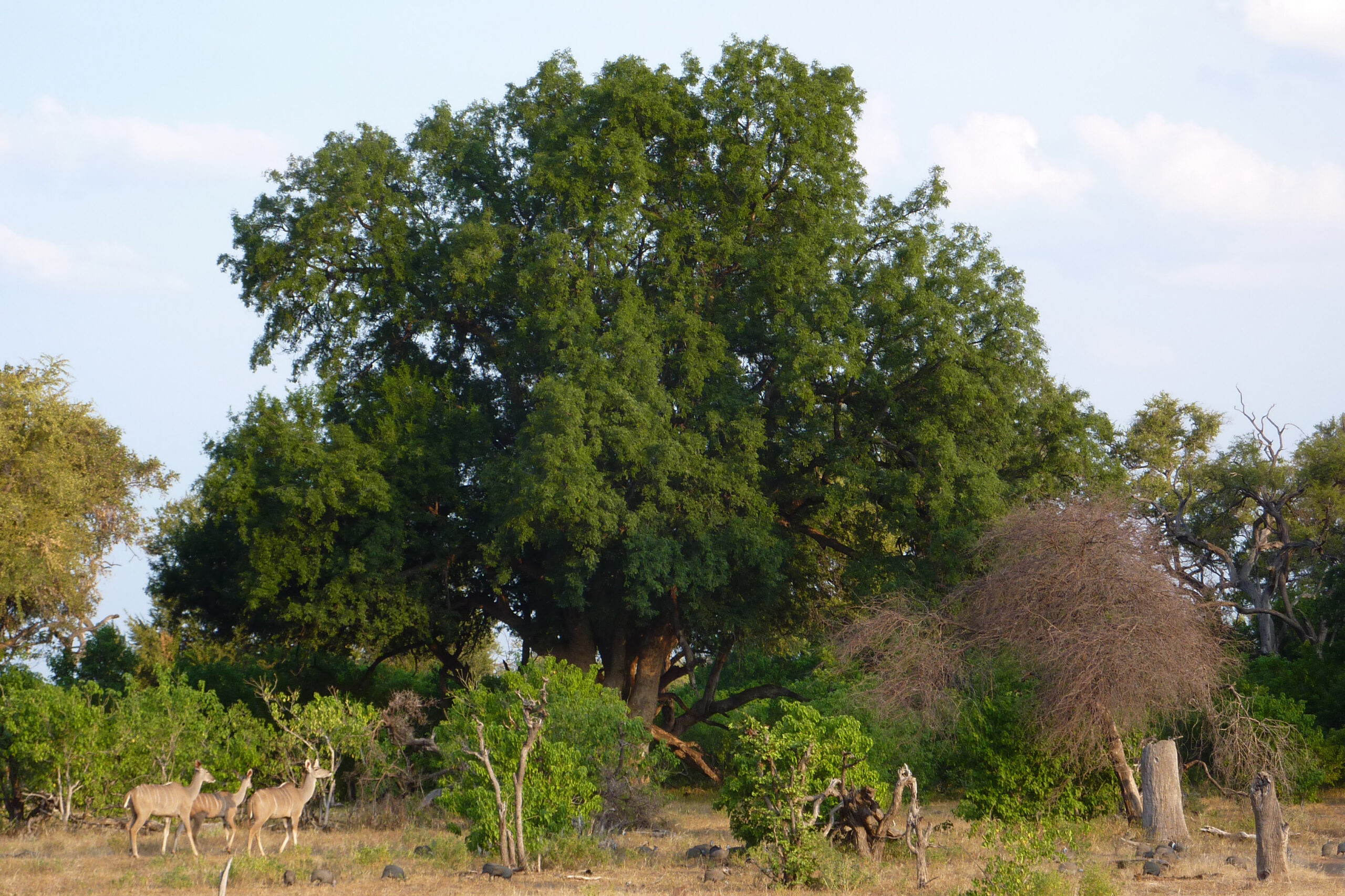
Eastern BotswanaAll parks and reservesA mashatu tree with kudu and guineafowl beneath it at Mashatu Main Camp in the Northern Tuli Game Reserve, Botswana, photographed in March 2010. Photo: Sjolseth, public domain, via Wikimedia Commons.
The Northern Tuli Game Reserve is the exception to almost everything else in this guide. It is privately owned rather than state protected, it sits in the far east where three countries meet, and it holds elephant in numbers that have nothing to do with the Okavango or Chobe. It is also the easiest big-game reserve in Botswana to reach from South Africa.
- Where
- Far eastern Botswana, at the Shashe–Limpopo confluence
- Area
- 71,000 hectares (710 km²)
- Tenure
- Private — three major concessions
- Concessions
- Mashatu, Tuli Safari Lodge, Nitani
- Wildlife
- 48 mammal species, 350+ birds, about 20,000 animals
- Known for
- Elephant, eland herds, and activities other parks forbid
- Borders
- Zimbabwe and South Africa, along the rivers
In this guide
- Where the reserve is, and the tri-border
- Privately owned, and why that changes things
- Wildlife in the Northern Tuli Game Reserve
- Activities you cannot do elsewhere
- The Tuli Block, which is not the same thing
- Access and Solomon’s Wall
- Best time to visit the Northern Tuli Game Reserve
Where the reserve is, and the tri-border
Botswana Tourism describes 71,000 hectares of remarkably diverse habitat straddling the Shashe, Motloutse and Limpopo rivers, in the north-eastern corner of the country. Those rivers serve as natural boundaries with Zimbabwe and South Africa.
That position is the reserve’s defining fact. It is closer to Johannesburg than to Maun, and for South African visitors it is often the only Botswana reserve reachable in a comfortable day’s drive. It is also why Northern Tuli feels less like the rest of Botswana and more like a place in its own right: red rock, riverine forest and open plain rather than sand and pan.
Privately owned, and why that changes things
Botswana Tourism describes the Northern Tuli Game Reserve as comprising three major private concessions — Tuli Safari Lodge, Nitani Private Game Reserve and Mashatu Game Reserve — and as one of the largest privately owned game reserves in Southern Africa.
Private tenure is the reason this reserve behaves differently from every national park on this site. There is no public campsite network, no self-drive-and-book-a-DWNP-site model, and no general right of entry: you visit through a property. That is a limitation and an advantage at once, and it is worth understanding before comparing prices with a park like Chobe. The land categories and what each permits are set out on our parks and reserves page.
Wildlife in the Northern Tuli Game Reserve
The Northern Tuli Game Reserve holds 48 mammal species and over 350 bird species, with an estimated 20,000 animals. Botswana Tourism names elephant, kudu, zebra, impala, duiker, wildebeest, waterbuck, steenbok and warthog, and records that all the major predators are present: lion, leopard, cheetah and hyena.
Two things stand out. Elephant are what Northern Tuli is known for, and the reserve’s reputation rests on them. And the tourism authority notes large herds of eland, often not seen elsewhere in Botswana — which for anyone who has spent a fortnight in the north seeing eland in ones and twos is a genuinely unusual sight.
Activities you cannot do elsewhere
This is the practical argument for Northern Tuli. Because the concessions are private, the activity list runs well beyond the game drive: Botswana Tourism lists game drives, horseback riding, bicycle safaris, community visits and hot air balloon flights.
Horseback and bicycle safaris in particular are close to impossible inside Botswana’s national parks. If you want to be out of a vehicle among big game, this reserve and the community sanctuaries are where that happens.
The Tuli Block, which is not the same thing
These two names are constantly confused, including by operators. Botswana Tourism is clear: the Northern Tuli Game Reserve is adjacent to a larger eastern Botswana area called the Tuli Block, which it describes as a string of commercial agricultural and game farms, several of which also offer tourist facilities.
So the Tuli Block is a farming belt with tourism on parts of it; the Northern Tuli Game Reserve is a specific consolidated reserve within that eastern corner. Booking “the Tuli Block” and expecting the reserve is a real way to be disappointed. Check which property you are actually booking and which concession it sits on.
Access and Solomon’s Wall
The reserve is reached through the eastern towns rather than from a gateway of its own: accommodation in Francistown and Palapye are the practical stops on the way in.
Most visitors arrive through their lodge, either by road from South Africa via the Pont Drift crossing or by air. Because entry is through a private concession, transfer arrangements are part of the booking rather than something you improvise.
Solomon’s Wall, a dolerite dyke standing across the Motloutse, is the Northern Tuli Game Reserve’s landmark. Botswana Tourism notes that reaching it requires a four-wheel-drive vehicle. Our 4×4 and vehicle requirements page covers what that means in practice.
Arriving from South Africa is a border crossing like any other, and the Limpopo crossings have their own hours and conditions. See Botswana entry requirements, and confirm the crossing your lodge expects you to use.
If you are coming overland from the Botswana side rather than through Pont Drift, Selebi-Phikwe is the last town of any size on that road and the practical place to sleep before or after. It is a staging town, not a park gate: entry to the reserve still runs through your lodge.
Best time to visit the Northern Tuli Game Reserve
Eastern Botswana is drier than the north and wetter than the Kalahari. The dry winter months, May to August, concentrate game along the rivers and give cold nights and clear light. Summer, November to March, is hot, greener and better for birds, with rain peaking in January and February.
Because this reserve runs on rivers rather than on pans or a delta flood, it is less seasonally extreme than most of Botswana — which makes it a reasonable shoulder-season choice. The national picture is on best time to visit Botswana.
Where to stay in the Northern Tuli
Almost everything inside the reserve is operated by one of two groups, and all of it is fly-in or self-drive from Pont Drift. These are the properties we have written up.
Where to stay
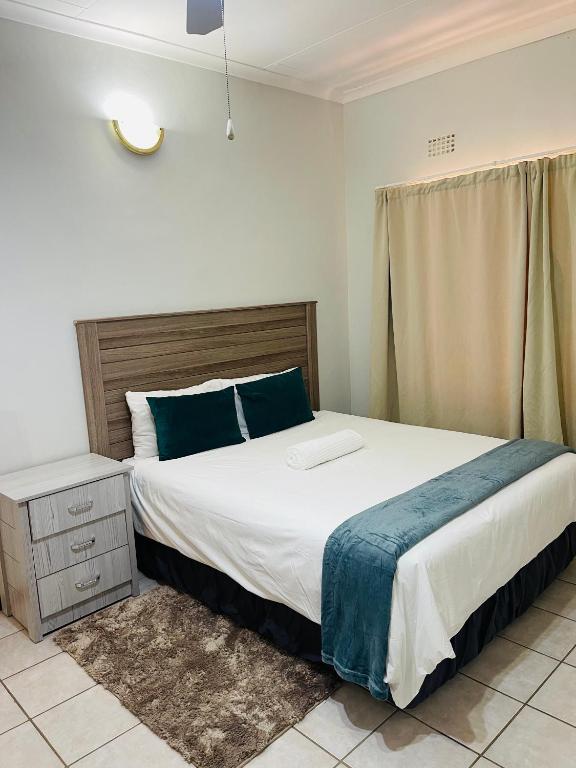
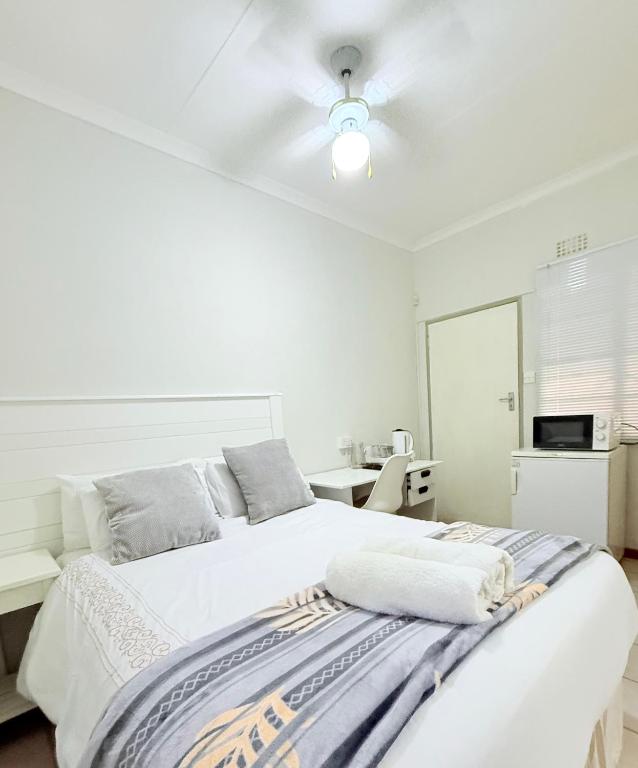
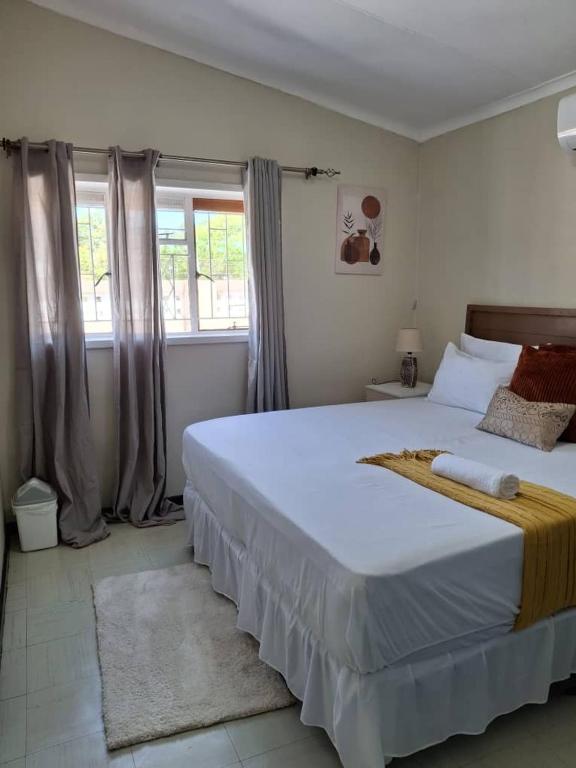

View all 104 Eastern Botswana propertiesAll eastern Botswana accommodation
Every card opens our own property page first. We publish no rates, no availability and no ratings of our own.
View all Eastern Botswana accommodation — 104 properties we have checked. We publish no rates, no availability and no ratings of our own.
Sources and references
- Botswana Tourism Organisation — Northern Tuli Game Reserve (71,000 hectares, the Shashe, Motloutse and Limpopo, the three concessions, private ownership, 48 mammals and 350+ birds, about 20,000 animals, eland herds, predators, activities, the Tuli Block distinction, Solomon’s Wall)
- Botswana Tourism Organisation — Climate (seasons and rainfall)
Reviewed August 2026. Concession boundaries, activities and border arrangements change; if something here is out of date, tell us.
Plan the rest of your trip
Northern Tuli is a different kind of Botswana reserve. These are the pages that put it in context.
The wider region: the A1 corridor, Francistown, Serowe and the Tswapong Hills.
Open →Parks and reservesWhat private, national and community land each permit, and who administers what.
Open →Khama Rhino SanctuaryThe other eastern stop worth building a route around.
Open →Out of the vehicle, for once.
Horseback, bicycle and walking safaris are the real argument for Northern Tuli. Private land is why they are possible.
Eastern BotswanaAccommodation