

Botswana Travel Guides
Field notes, seasonal updates, route and closure changes, and corrections published in public rather than edited away.
All destinationsPlan your tripDomboshaba hill, a granite outcrop in north-eastern Botswana. Photo: Mompati Dikunwane, CC BY-SA 4.0, via Wikimedia Commons.
The Botswana travel journal now contains practical, source-led articles on access conditions, route planning, wildlife, activities, accommodation and responsible travel. The newest articles appear below, followed by an explanation of the standards behind every post.
Latest articles
-

Khwai–Xakanaxa Track: How to Check the Latest Status Before Leaving
A dated method for checking the Khwai–Xakanaxa track without treating an old road report as current evidence.
-
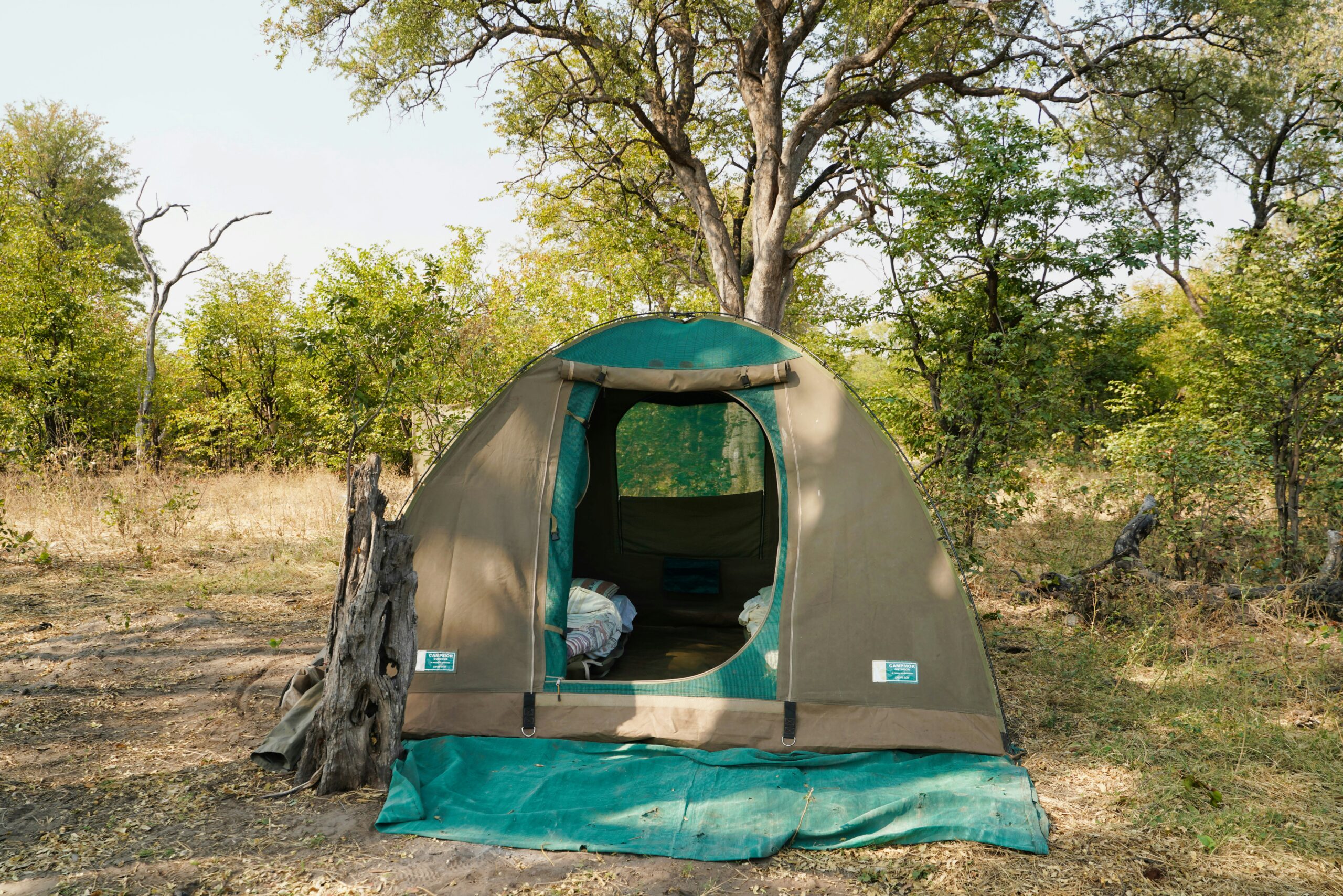
Government Campsites: How the Booking Structure Actually Works
A document-by-document explanation of Botswana government campsite bookings and the separate permissions a parks trip may require.
-
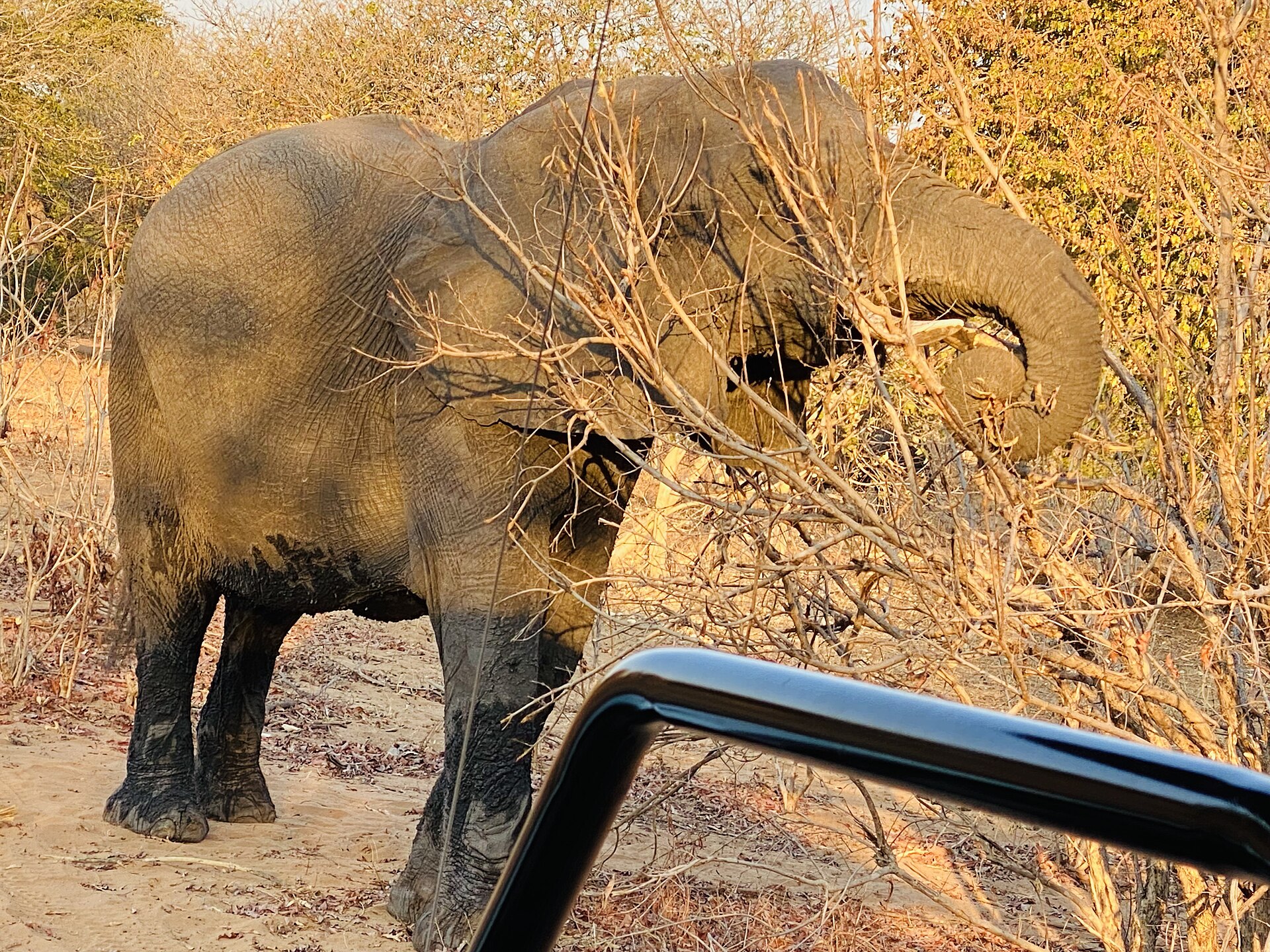
Chobe Green Season: What Changes Month by Month
A month-by-month guide to Chobe’s green season that treats rainfall and sightings as variable, not guaranteed.
-

South Gate or North Gate: Which Choice Fits the Trip
A practical Moremi gate comparison based on the whole route rather than a claim that one entrance is always better.
-
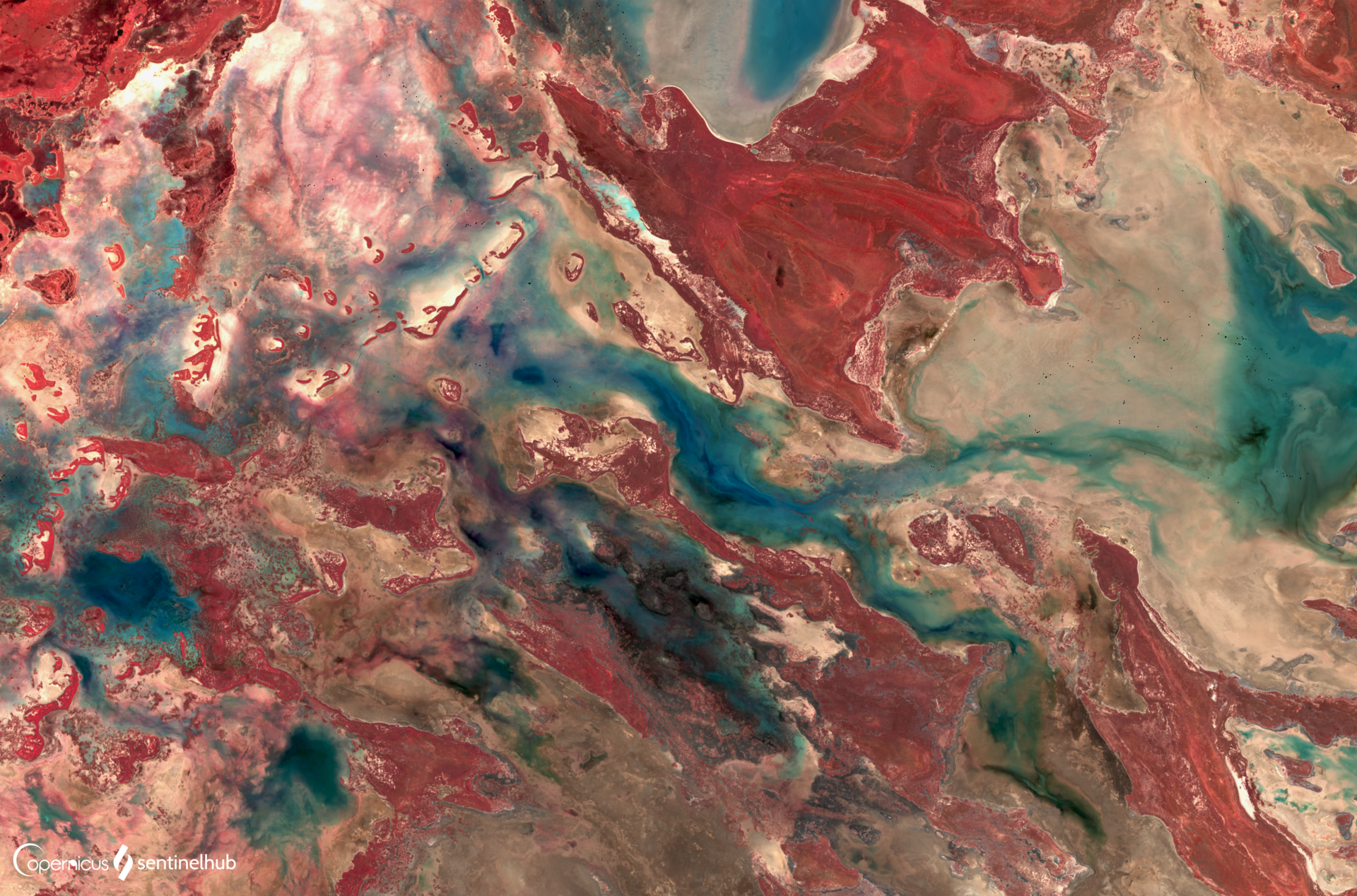
Ntwetwe Pan: How to Plan a Focused Visit
A practical way to visit Ntwetwe Pan without treating the entire Makgadikgadi system as one accessible surface.
-
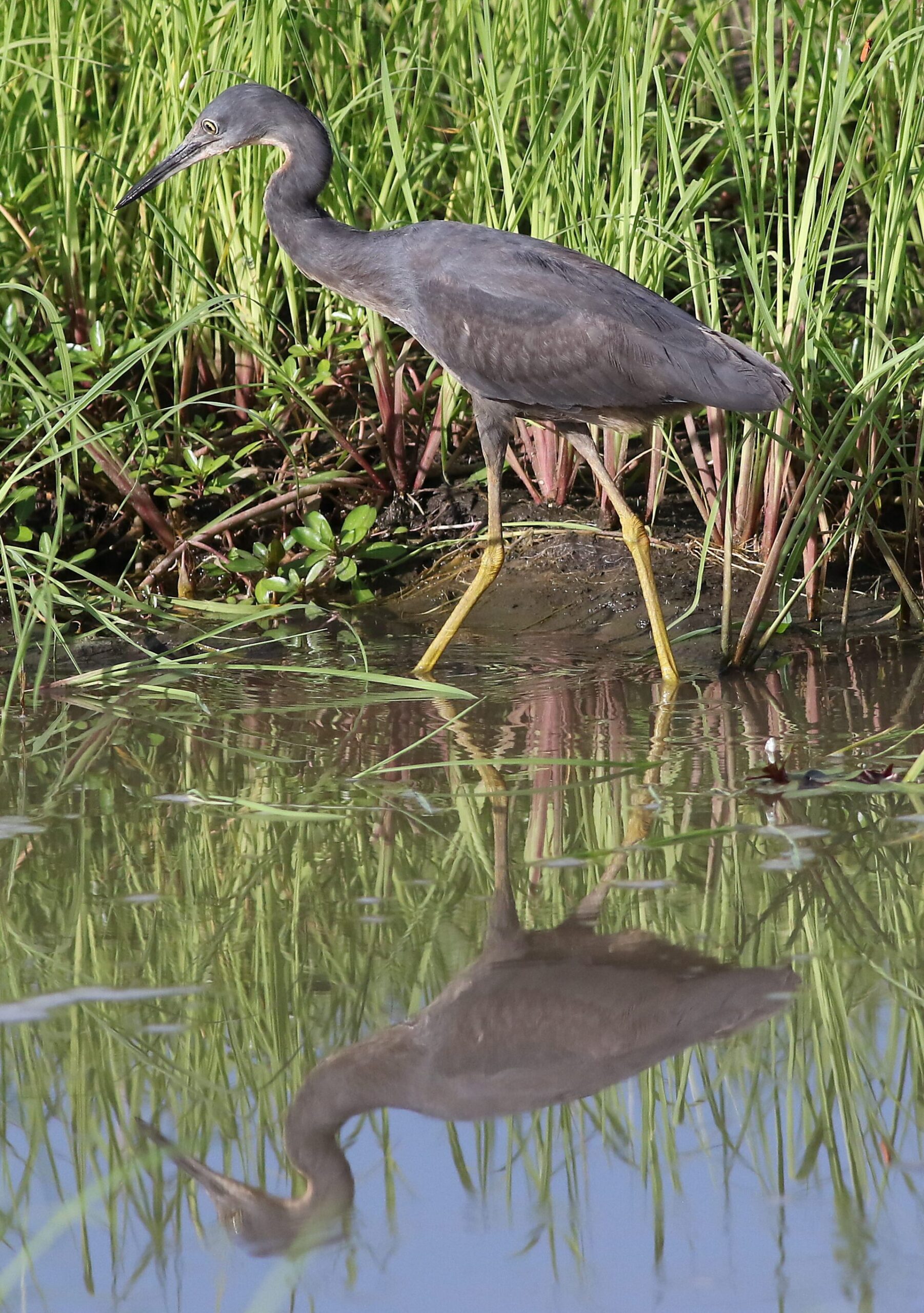
Slaty Egrets: Where Habitat and Season Overlap
A habitat-led guide to one of northern Botswana’s most sought-after wetland birds.
-
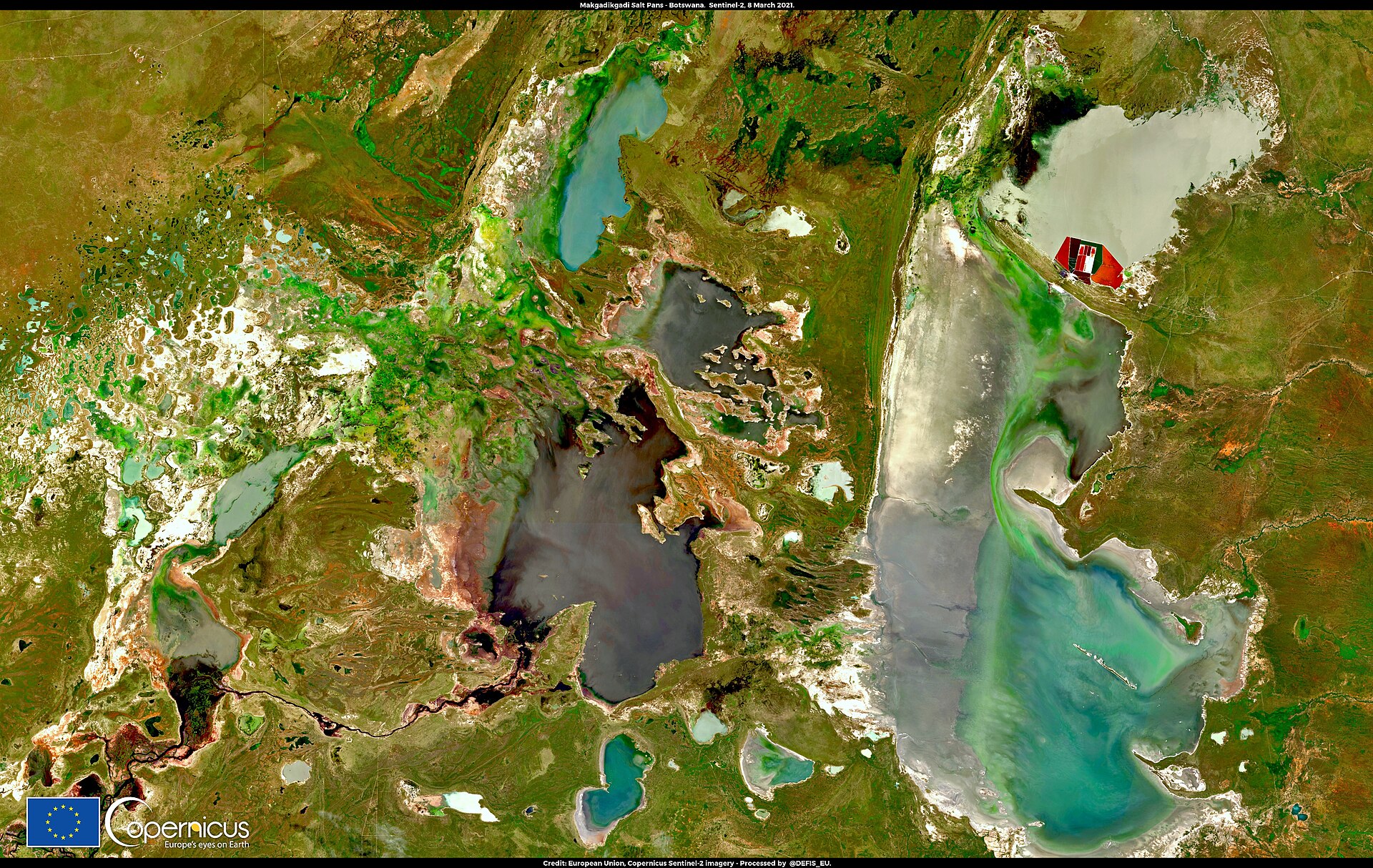
The ‘Longest Migration in Africa’: Where the Claim Comes From
A claim audit of two Botswana zebra migrations that are often collapsed into one headline.
-

Botswana Elephants: Habitat, Season and Honest Sighting Odds
Where habitat and season improve the chances of seeing Botswana elephants, and why no lodge can promise a particular encounter.
-
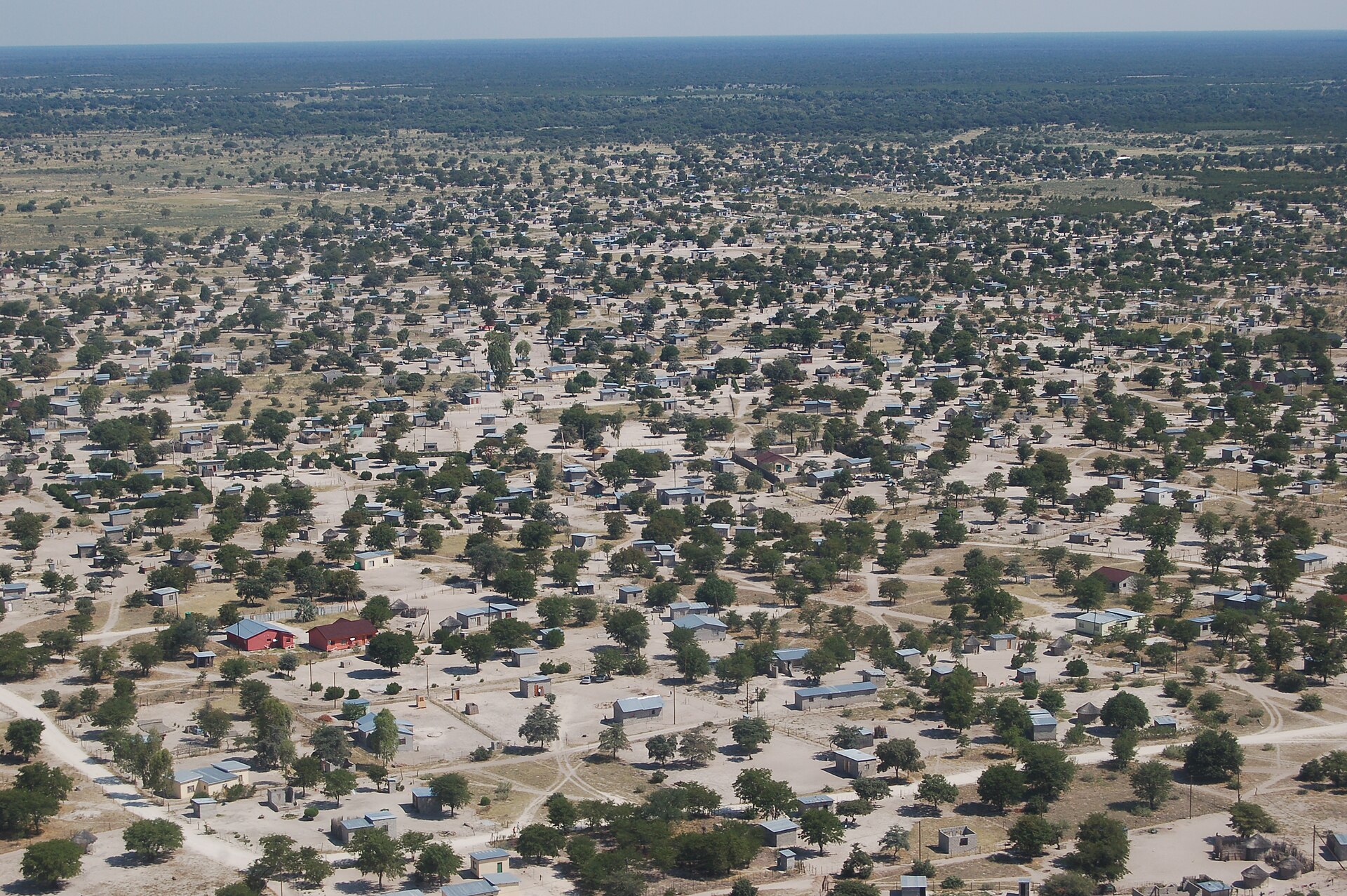
Tourism Concessions: What the System Means for a Traveller
A traveller-focused explanation of how concession boundaries affect activities, access and the safari product.
-

Domboshaba: How to Visit With Historical Context
A context-first guide to Domboshaba that places the ruins inside Botswana’s heritage rather than treating them as a photo stop.
-
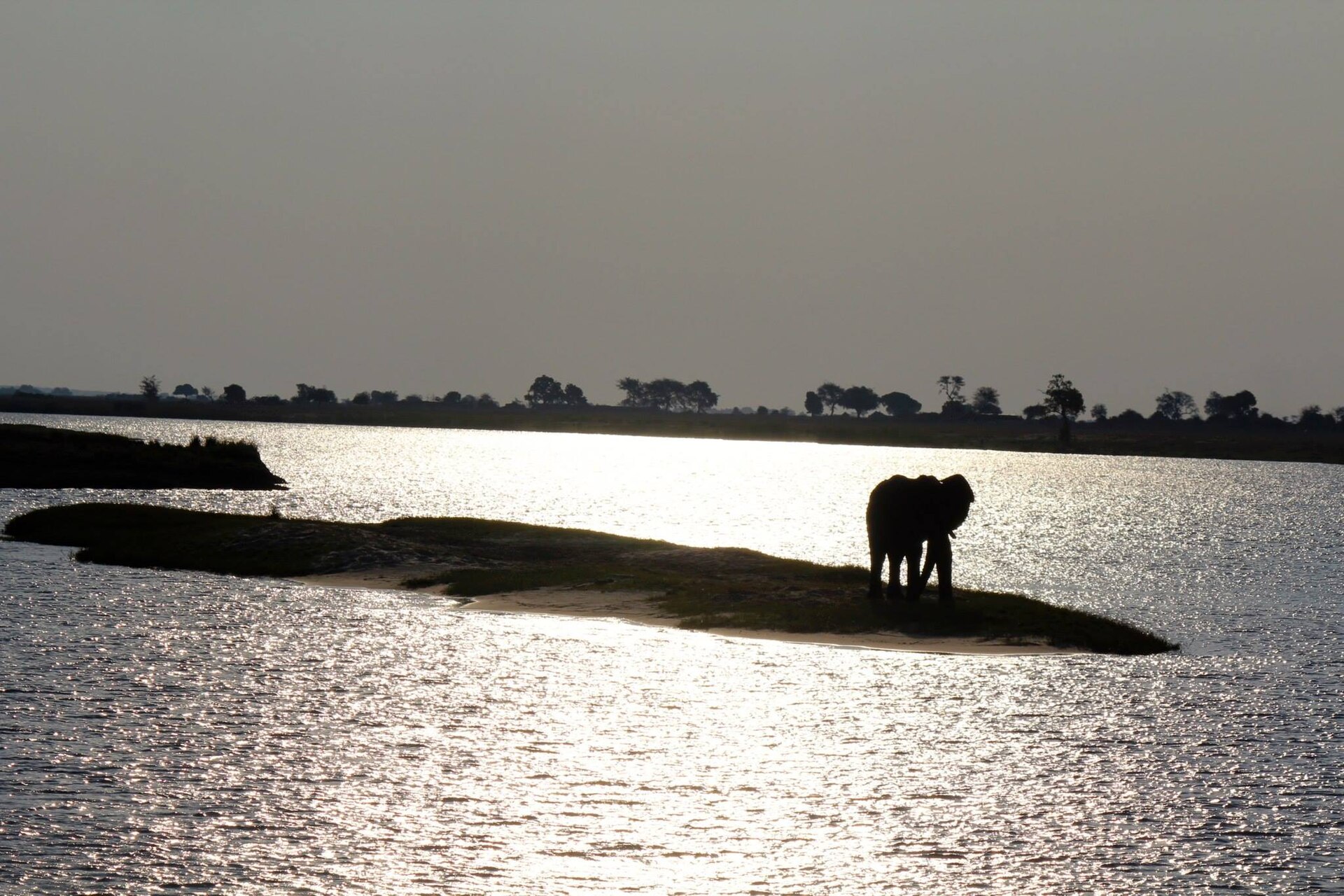
Botswana With Teenagers: How to Build a Manageable Route
A paced family itinerary that gives teenagers variety and agency without turning the safari into a constant transfer.
-
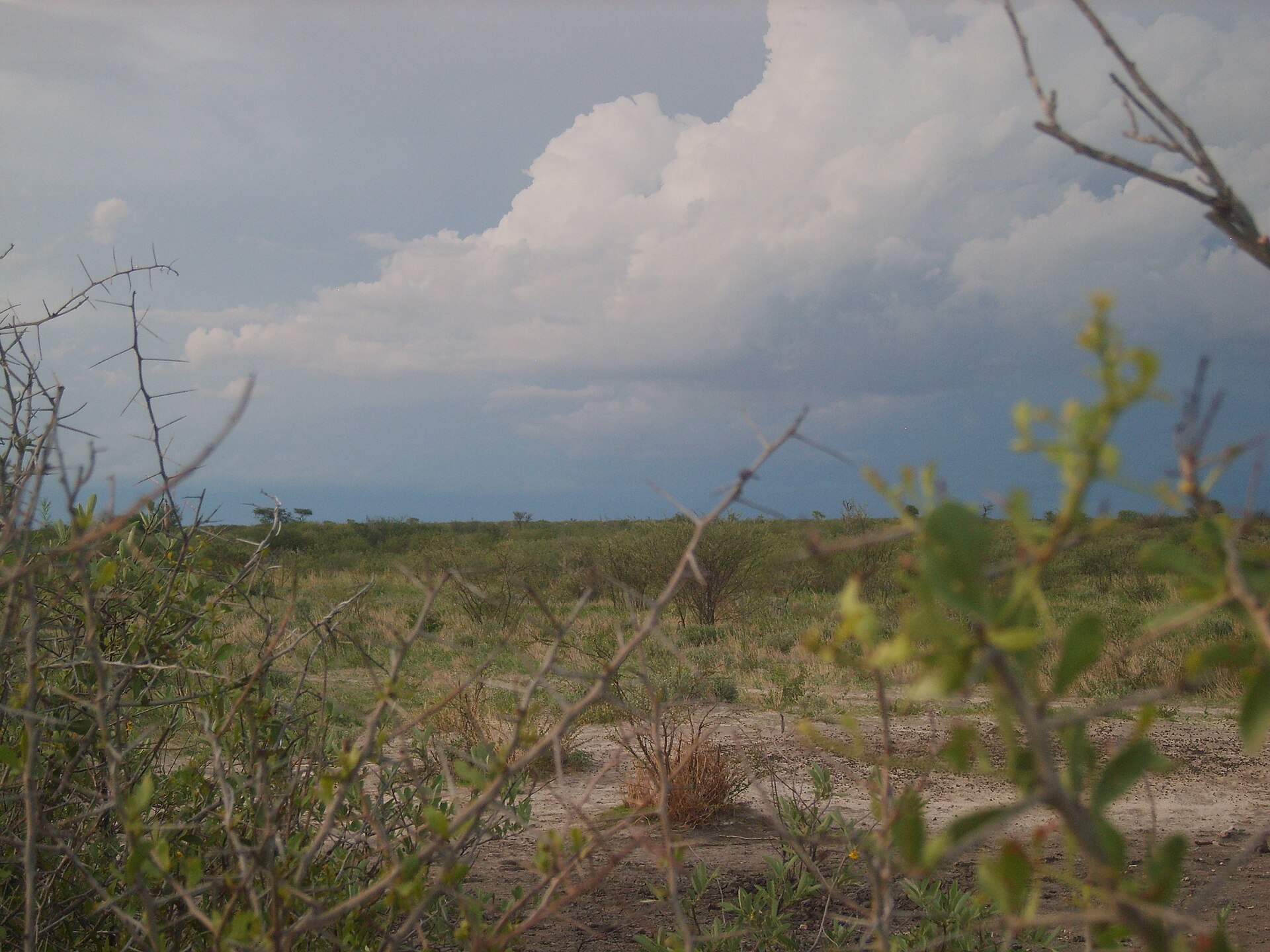
Piper Pan: How to Plan the Route Without Underestimating It
A remote-route guide to Piper Pan that puts self-sufficiency, navigation and current access ahead of distance on a map.
-
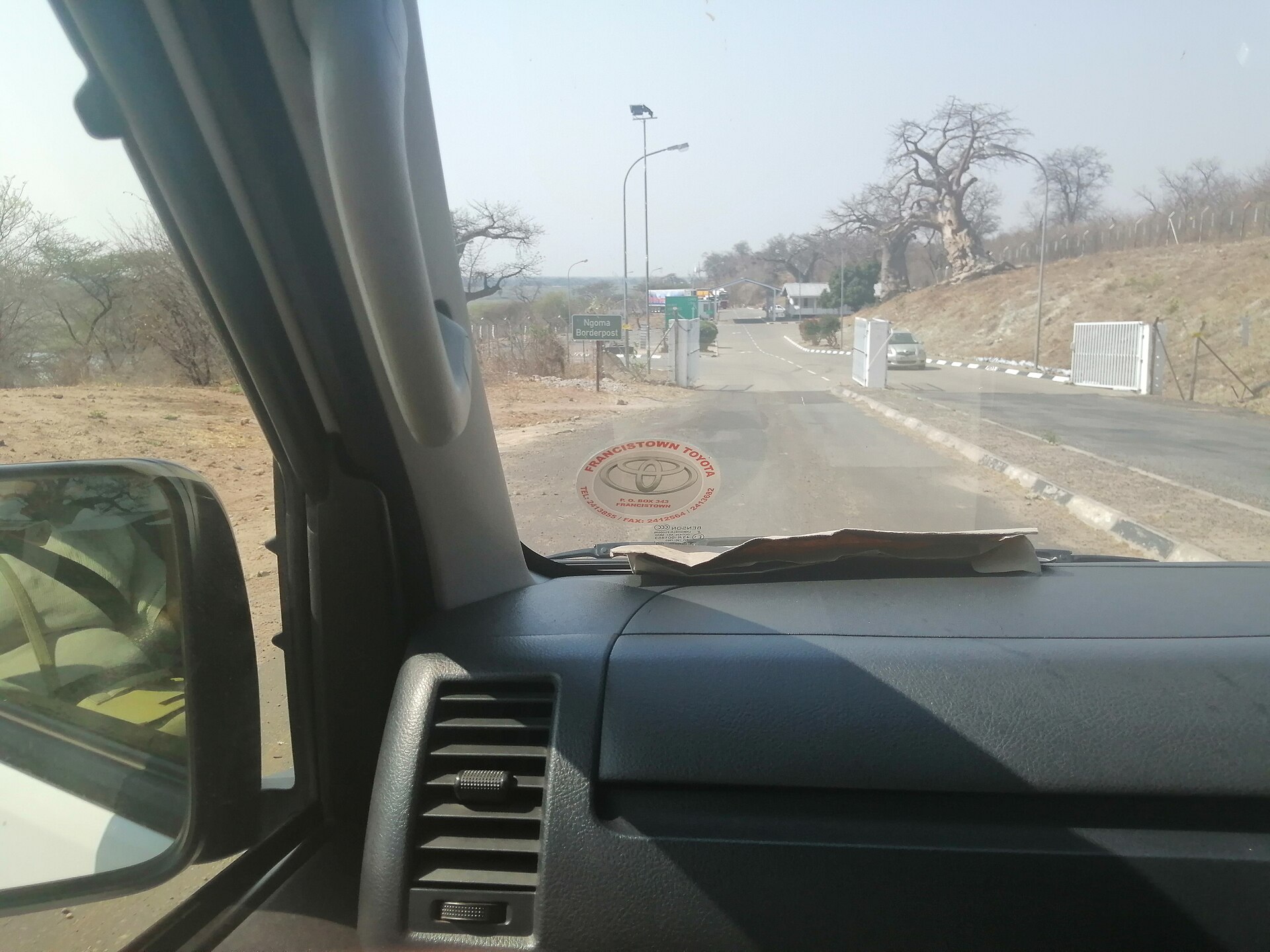
Ngoma Crossing: Documents and Timing for Travellers
A document and timing checklist for Ngoma Crossing that treats border hours and vehicle requirements as volatile.
-
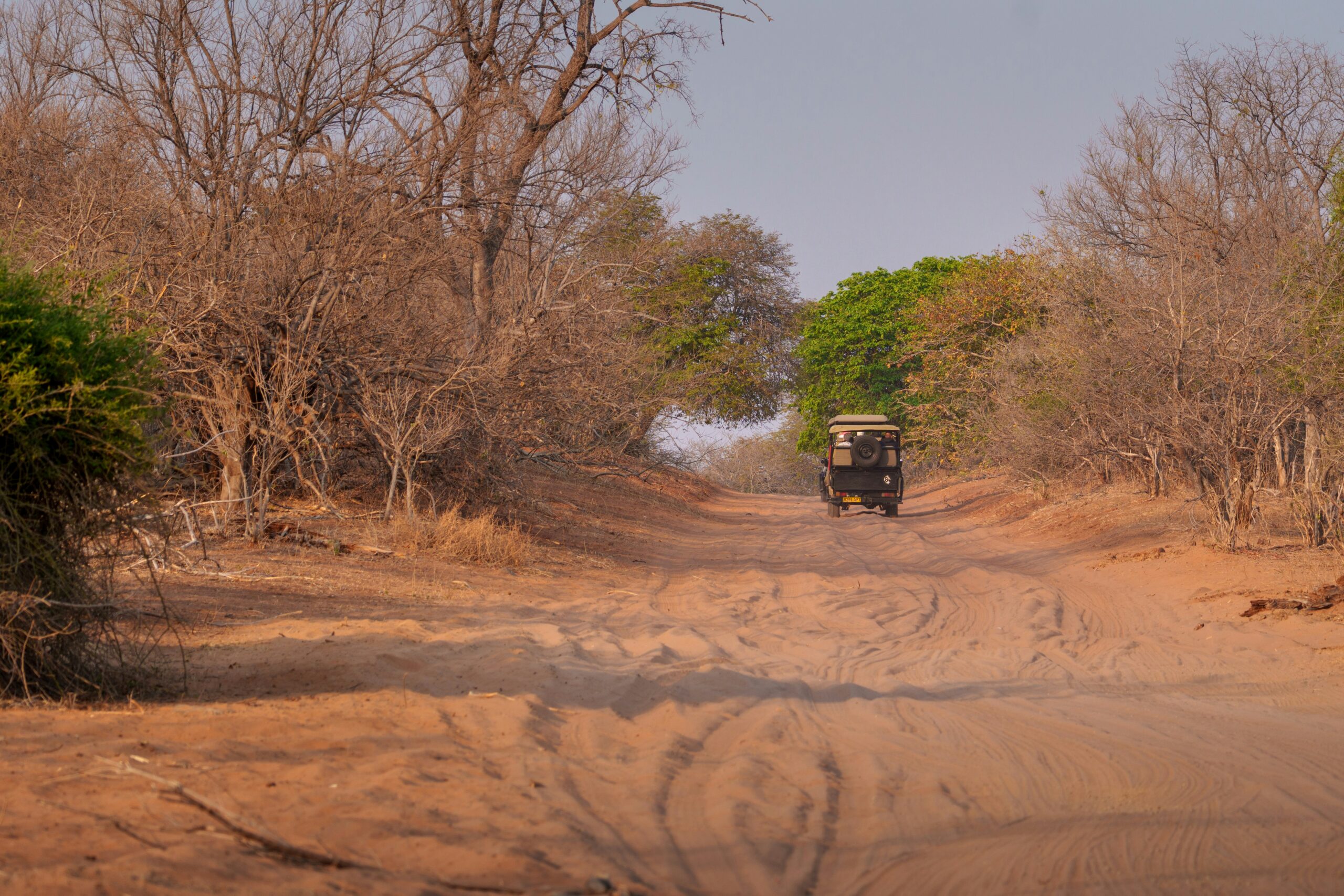
Tyre Pressure Decisions: What a First-Time Driver Should Understand
A safety-first guide to tyre pressure decisions that starts with the vehicle manual and rental company rather than an internet number.
-
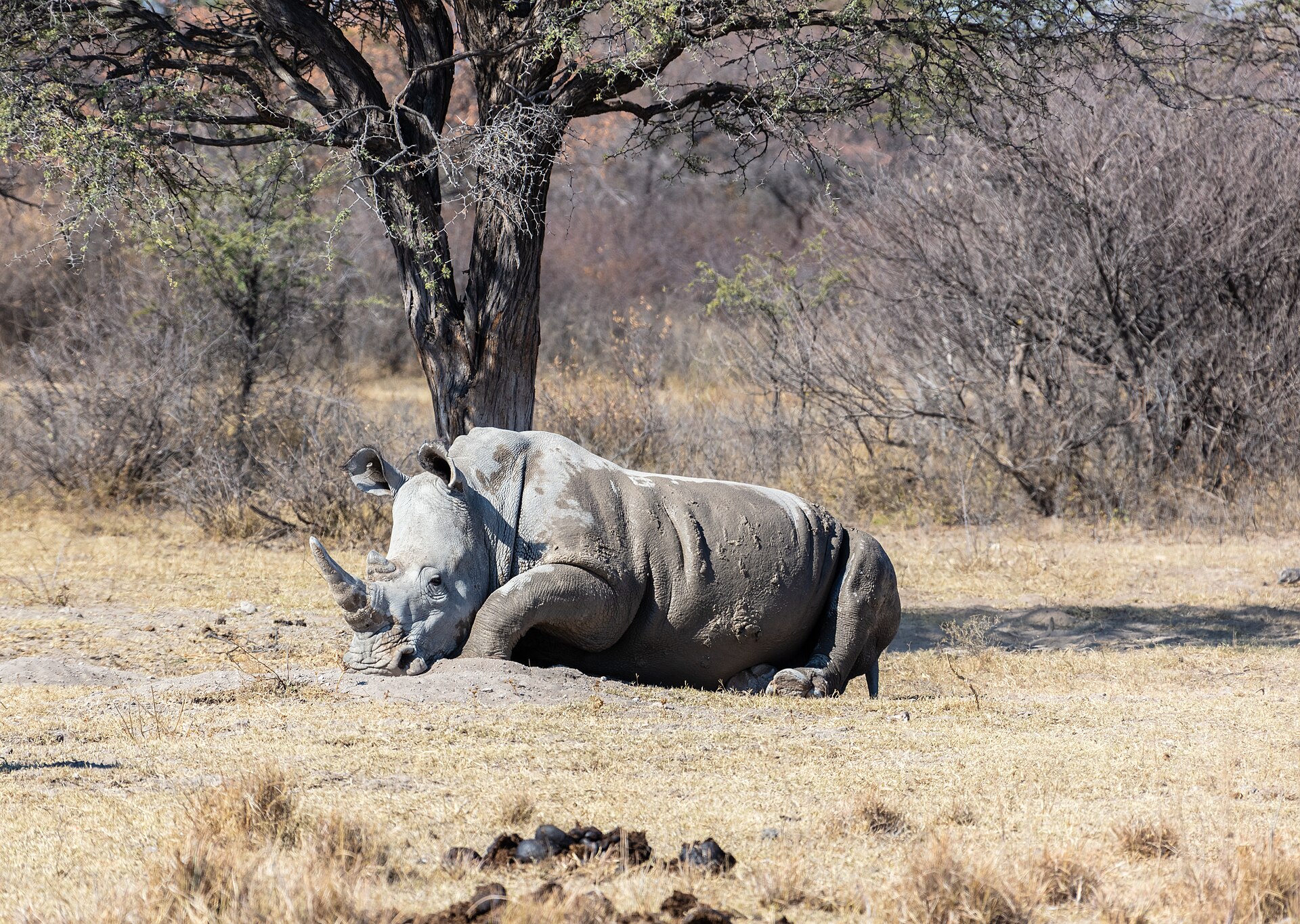
Gaborone to Khama Rhino Sanctuary: The Travel Day That Actually Works
A practical travel-day plan from Gaborone to Khama Rhino Sanctuary that avoids turning an accessible stop into a rushed arrival.
-
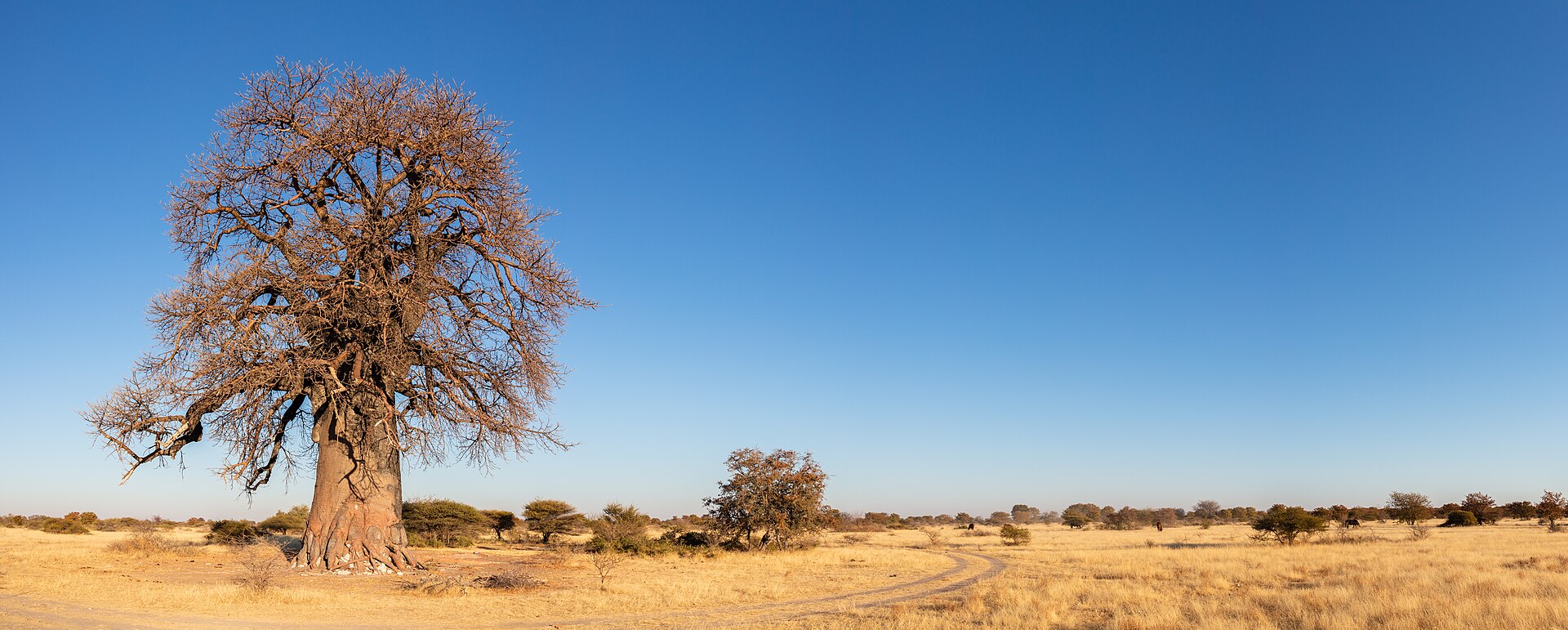
Pans and the Kalahari: How to Add the Second Region Without Rushing
A paced itinerary for combining the Makgadikgadi or Nxai Pans with the Central Kalahari without collecting place names.
-
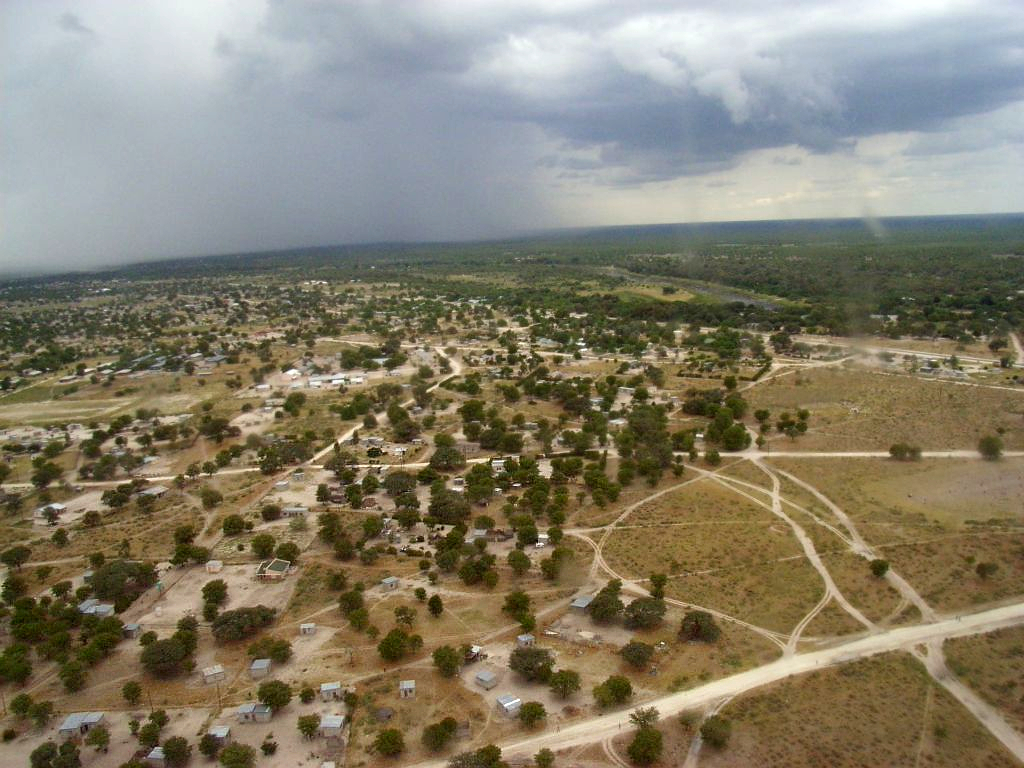
Maun Gateway Stays: How to Choose the Right Base
A practical comparison of airport, town, river and outskirts stays in Maun without publishing volatile rates or scores.
-
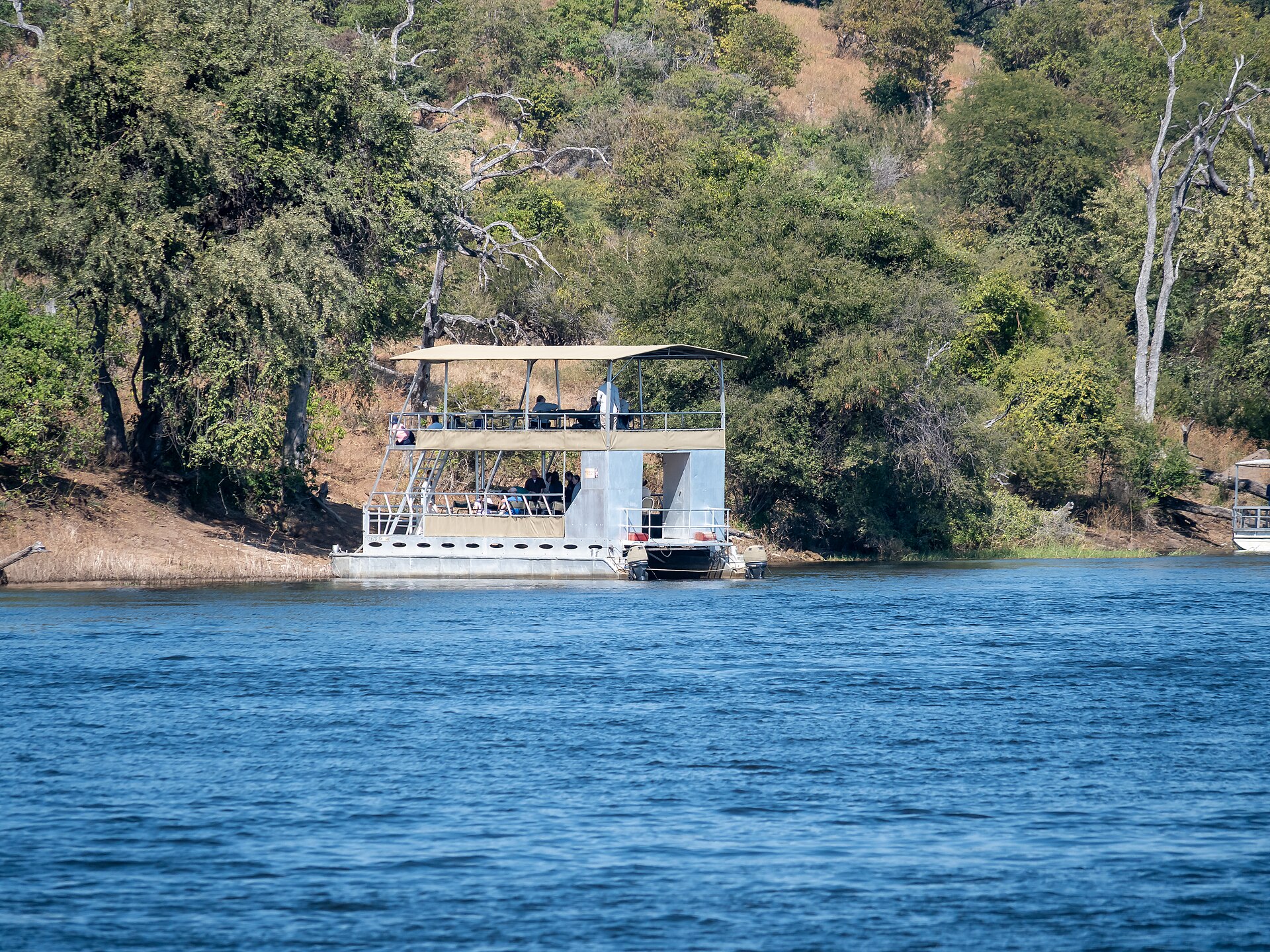
Chobe Boat Safaris: How to Choose the Right Format
A decision guide to shared cruises, small boats and specialist photo boats on the Chobe River.
-
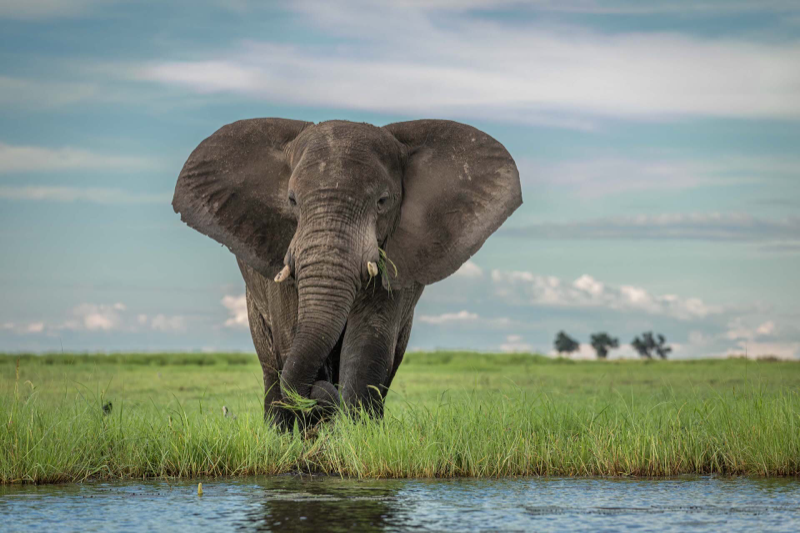
Photography From a Boat: A Practical First-Trip Setup
A first-trip camera setup for Chobe and Okavango boats that puts safety, stability and animal welfare before equipment complexity.
-
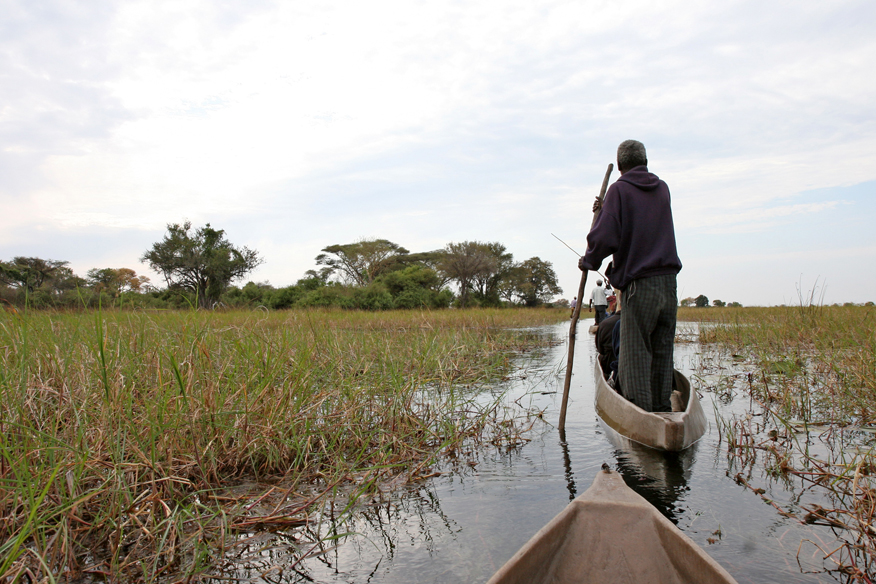
The Okavango Panhandle: How to Read the Seasonal Signal
How the Panhandle shows the incoming Okavango pulse, and why that signal cannot predict every Delta activity.
What this Botswana travel blog is for
The rest of Botswana Travel Guide is built as reference: destination and park guides written to be read once, before a trip, and to stay accurate between readings. They are deliberately conservative. They avoid anything with a short shelf life, and where sources disagree they say so rather than choosing the tidier answer.
That format has a cost. It leaves no room for the things that change between one dry season and the next — a bridge out, a gate closed, a fee proposal withdrawn, a research paper that overturns a claim every guidebook repeats. The blog is where those go. It is the shorter, more perishable, more argumentative half of the site, and it exists so the reference pages can stay steady.
How the journal differs from the guides
Four kinds of writing will appear in the Botswana travel blog, and none of them belongs on a reference page, which is exactly why the blog exists.
- Field notes and background. Longer pieces on a single question — how the Okavango’s reversed flood actually works, why Botswana has no equivalent of a national parks booking site, what a concession lease does and does not buy you. Depth, on subjects a planning page can only summarise.
- Seasonal updates. Short posts at the turn of each season: where the flood has reached, how the rains have behaved, what that means for game viewing and for tracks over the coming months.
- Route and closure updates. The most useful thing we can publish and the fastest to go stale. Botswana’s 2025/26 wet season is the case in point: Moremi closed, a reopening planned for 27 March 2026 was postponed, and the reserve reopened on 13 April 2026 with Third Bridge closed until further notice and the Khwai–Xakanaxa route deemed inaccessible. A guide written in January would have been wrong by April. A dated post is honest about that; a guide page pretending to permanence is not.
- Corrections in public. When we get something wrong, the correction is a post, not a silent edit. See our corrections policy for how that works.
The standards behind every post
The blog is held to the same rules as the guides, set out in full in our editorial policy. The short version:
- We invent nothing. No rates, no availability, no star ratings, no review scores, no plausible-sounding opening hours. Where a figure is not officially confirmed, we say it is not confirmed.
- We name our sources at the foot of every page, and work outwards from the most authoritative available — legislation and government first, official tourism and treaty bodies next, peer-reviewed research for anything ecological, reputable reporting last and identified as such.
- We say when sources conflict. Botswana’s official sources contradict each other more often than travel writing admits — on park sizes, on designations, on border opening hours. We set out both accounts and name the authority that could settle it.
- We have not been there. This is a research-led guide, we say so plainly on our about page, and no post will imply otherwise. “Field notes” here means notes from the literature and the record, not from a vehicle.
- Commission buys nothing. Not a mention, not prominence, not a kind adjective; our affiliate disclosure explains the arrangement in full.
One further rule specific to the blog: every post carries the date it was written and, where it concerns something volatile, an instruction to confirm before travelling. The gap between our last check and your arrival is time in which a gate can close or a fee can change.
Journal series
These are the main strands covered by the Botswana travel journal. New articles are published when the underlying research and verification are complete.
- Access watch. Route, gate and seasonal closure status for the self-drive network — Moremi’s bridges, the Maun–Chobe transit, the Kalahari sand routes — written as dated snapshots rather than standing claims.
- The fee question. Park entry, vehicle and camping charges: how the structure works, why we publish no amounts, and what happened to the increase proposed for 1 April 2026 and postponed the day before it was due.
- Reading the flood. The Okavango’s inverted hydrology season by season — where the water is, what the published inflow records show, and how far ahead any of it can honestly be predicted.
- Claims we cannot verify. A running series on the assertions that circulate unchecked in Botswana travel writing: the Big Five framing, the “longest migration in Africa” claim, the meerkat-project confusion, published park sizes that disagree between official sources.
- Land and tenure. How community trusts, concession leases and Wildlife Management Areas actually distribute money and access, including the structural criticisms researchers make of the model.
- Species files. One animal at a time, built from the current conservation literature rather than lodge marketing, with honest odds of seeing it and where.
Where to start while you wait
Everything usable on this site today lives in the eight core sections. If you are planning a trip now, start there rather than here.
- Destinations — the regions and their gateway towns, including the Okavango Delta and Maun.
- Parks and reserves — the land tenure system that determines what you may do where, plus guides to Chobe National Park and Moremi Game Reserve.
- Wildlife and seasons — the flood cycle, the two zebra migrations, and species-by-species expectations.
- Safaris and activities — what a mokoro trip, a game drive or a walking safari actually involves, and where each is permitted.
- Self-drive — vehicles, fuel and water loads, campsite booking and route status.
- Accommodation — the categories and what they mean, with no rates and no ratings.
- Itineraries — how the Delta, Chobe and the Kalahari fit together, and what they cost in days.
- Travel planning — when to go, entry requirements, borders, money, connectivity and health.
If something on this site is wrong, out of date, or reads as more confident than the evidence supports, tell us through the contact page. Corrections are published, not buried.
Sources and references
These are the sources this Botswana travel blog monitors for the updates described above.
- Botswana Tourism Organisation and its parks and reserves and self-drive and camping pages
- Government of Botswana, including park and campsite booking procedure and the Botswana Daily News service, which carries ministry announcements on fees and closures
- Wildlife Conservation and National Parks Act 1992, the statute behind park and reserve rules
- Statistics Botswana for population and census figures
- UNESCO World Heritage Centre — Botswana and Ramsar Site 879 — Okavango Delta System
- Botswana Unified Revenue Service for vehicle import and border formalities
The journal is now live. New pieces appear automatically in the Latest articles section above. For volatile access, route and fee information, check each article’s last-checked date before travelling.
The reference pages that are finished
These are written, sourced and live. The journal will point at them as things change.
The six regions, and why they are ours rather than anyone else’s.
Open →Parks & reservesFour categories of protected area, and the rules in each.
Open →Corrections policyHow we publish corrections, and how to tell us we are wrong.
Open →Tell us when something has changed.
Fees change, gates move, channels dry and bridges open. If something here is out of date, we would rather hear it from you than leave it standing.
Contact usEditorial policy