
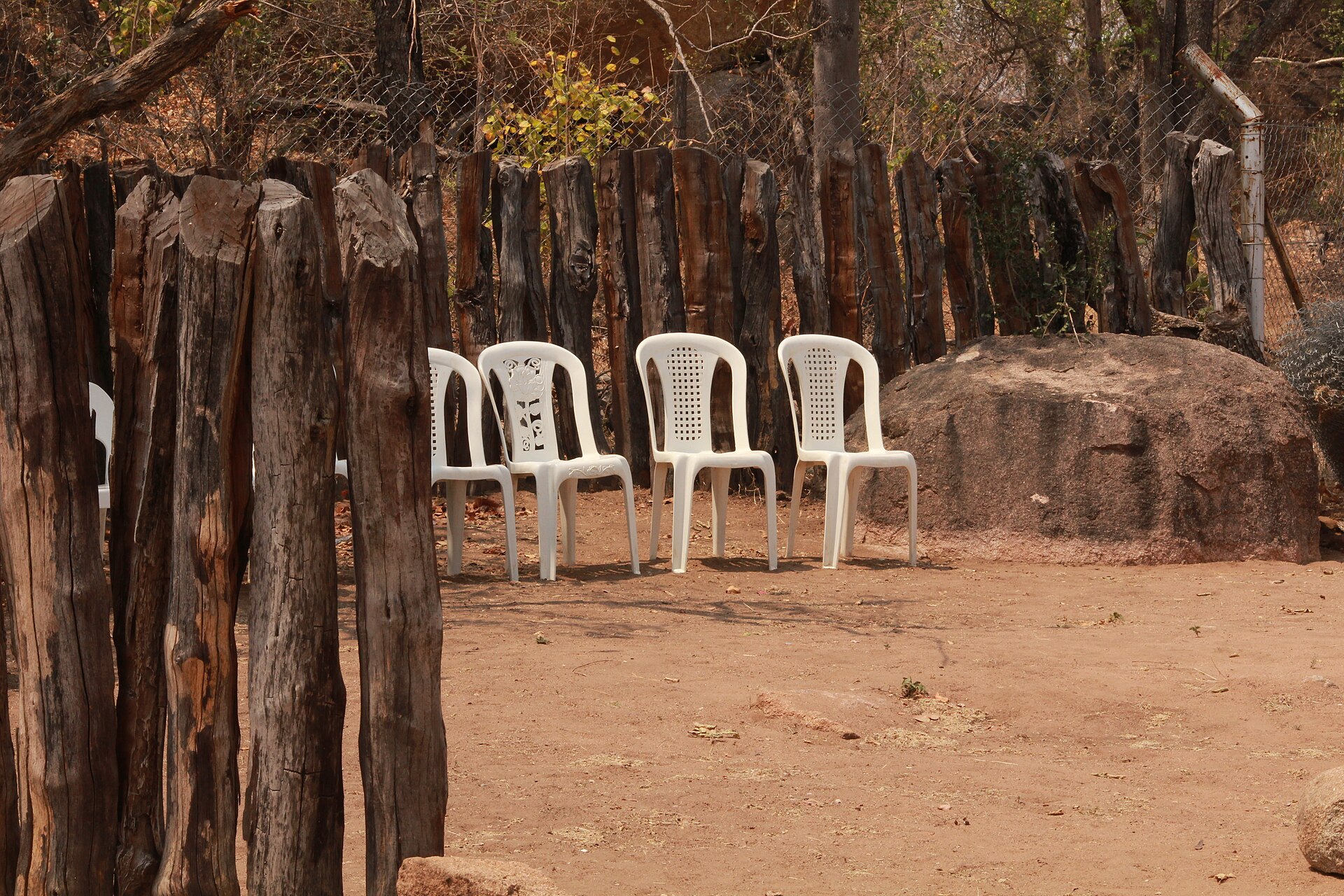
Domboshaba is a stone-walled archaeological and cultural site in north-eastern Botswana, associated with the later first and early second millennia and the wider Zimbabwe tradition. It is also a place of continuing public meaning, visible in gatherings and cultural events.
A responsible visit avoids reducing the site to a mystery or using a single ethnic story as complete explanation. Read the official interpretation, use a local guide where available and treat the ruins as protected heritage.
Last checked
21 September 2026. Conditions, rules and operator arrangements can change. Confirm the details that affect your trip with the responsible authority or operator before travelling.
In this guide
Begin Domboshaba with the site’s own interpretation
Check current opening, guide and access information before travelling. At the site, start with the museum or official material rather than a summary copied from a travel page. Archaeological interpretation changes as research develops.
Turn that into a practical check: What does the current site authority say about chronology, builders and use? Ask for a dated answer, note who supplied it, and keep it with the booking or route plan. That small record is more useful than an undated recommendation copied from another trip.
Read walls as evidence, not scenery
Stone courses, entrances, enclosures and the hill setting can reveal planning and social organisation. Do not climb, remove material or create new paths for a better photograph. Physical context is part of the evidence.
Turn that into a practical check: Which architectural features can a guide explain without visitors touching or crossing protected areas? Ask for a dated answer, note who supplied it, and keep it with the booking or route plan. That small record is more useful than an undated recommendation copied from another trip.
Add heritage without rushing it
A cultural stop needs time for interpretation, not only a photograph. Place Domboshaba inside a realistic north-eastern Botswana route.
Keep Great Zimbabwe connections precise
Domboshaba is often described within the wider Zimbabwe cultural tradition, but similarity does not make every site identical or prove a simple line of descent. Use dated archaeological language and distinguish evidence from oral history.
Turn that into a practical check: Which connections are supported by material evidence, and which remain interpretations? Ask for a dated answer, note who supplied it, and keep it with the booking or route plan. That small record is more useful than an undated recommendation copied from another trip.
Recognise living heritage
The kgotla and festival record show that the place is not only an abandoned ruin. Listen to how local custodians describe its present meaning. Avoid staging people or ceremonies as decoration for a visitor’s narrative.
Turn that into a practical check: Are any spaces or events subject to community protocol that visitors should understand? Ask for a dated answer, note who supplied it, and keep it with the booking or route plan. That small record is more useful than an undated recommendation copied from another trip.
Build a respectful regional stop
Domboshaba can fit a north-eastern Botswana route, but confirm road condition, guide availability and time on site. A focused visit is better than a rushed detour that leaves no room for interpretation.
Turn that into a practical check: How much time is needed for the official introduction, guided walk and quiet observation? Ask for a dated answer, note who supplied it, and keep it with the booking or route plan. That small record is more useful than an undated recommendation copied from another trip.
Practical checklist
- Check current site information.
- Use official interpretation and a local guide.
- Do not climb or remove material.
- Separate evidence from legend.
- Follow community protocol.
Sources and verification
The main references used for this article were Botswana Tourism Organisation, Wikimedia Commons Domboshaba documentation. The sources answer different parts of the question. Where an authority is silent, a rule is volatile or research does not support a neat conclusion, the article preserves that uncertainty.
Our editorial policy explains why heritage writing should identify evidence and uncertainty.
Domboshaba becomes more compelling when the visit slows down. Architecture, archaeology and living significance deserve more than a dramatic label.