
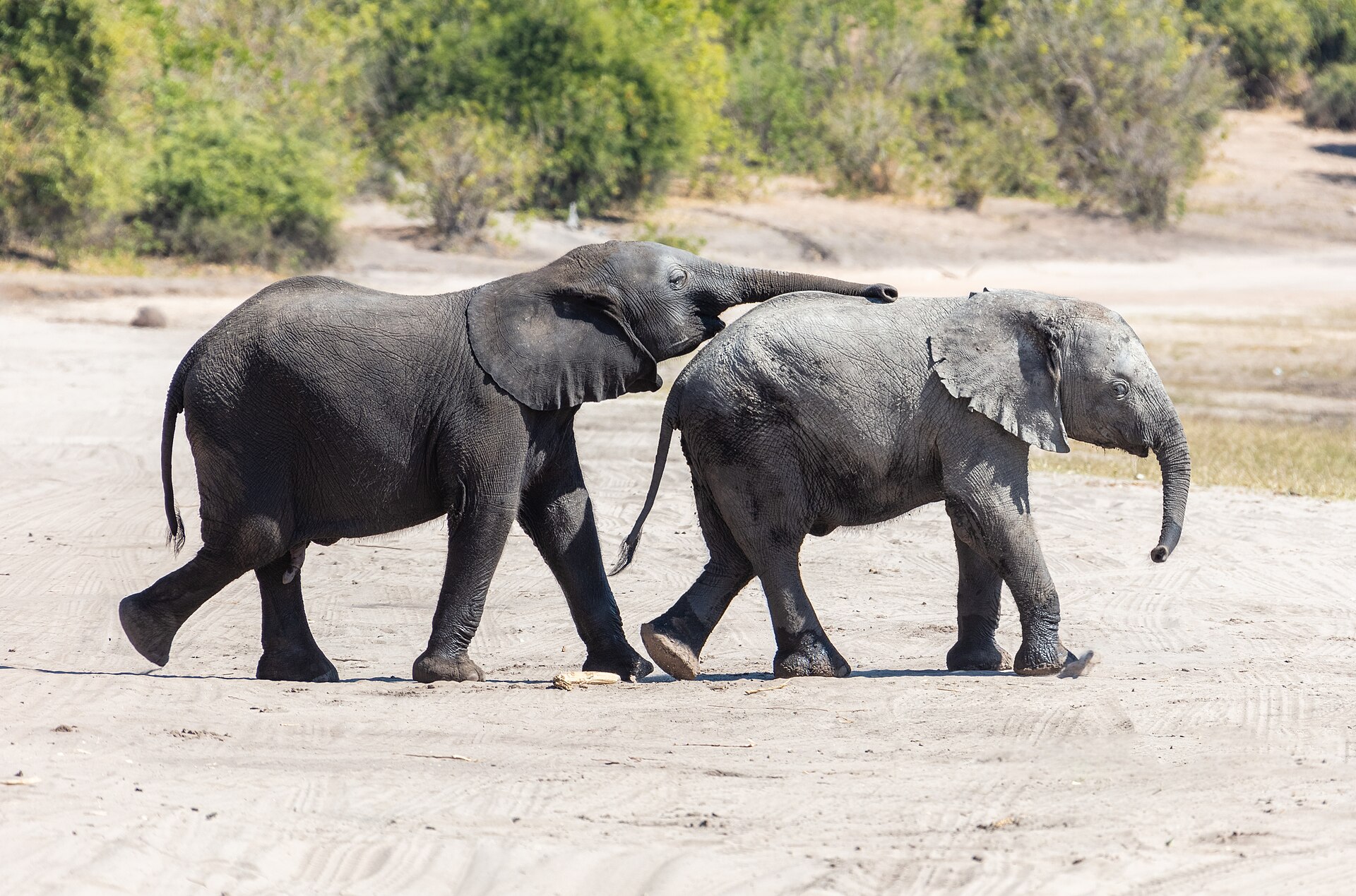
Botswana elephants form part of a large, mobile southern African population that moves across rivers, woodland and national borders. A national estimate cannot tell a traveller where a herd will stand on a particular afternoon. Habitat, water, disturbance and seasonal forage shape the local picture.
The honest planning question is where elephant use of water and feeding areas is most visible during the intended season. Chobe’s riverfront is famous for dry-season concentrations, while the Okavango, Linyanti and other northern landscapes offer different patterns.
Last checked
21 September 2026. Conditions, rules and operator arrangements can change. Confirm the details that affect your trip with the responsible authority or operator before travelling.
In this guide
Start Botswana elephants with habitat
Elephants use riverfront, floodplain, mopane woodland and seasonal routes differently. A camp with several habitat types may offer more varied signs than one beside a single water point. Ask what a normal drive reaches.
Turn that into a practical check: Which elephant habitats can this base access without a long transfer? Ask for a dated answer, note who supplied it, and keep it with the booking or route plan. That small record is more useful than an undated recommendation copied from another trip.
Dry-season concentration is not a guarantee
As surface water shrinks, permanent rivers can concentrate animals and improve visibility. The same period can bring heat, dust and visitor pressure. A concentration describes a regional tendency, not a scheduled event.
Turn that into a practical check: Where have herds been spending time recently, and how variable has that been from day to day? Ask for a dated answer, note who supplied it, and keep it with the booking or route plan. That small record is more useful than an undated recommendation copied from another trip.
Choose a base for habitat, not a promise
Compare Chobe, Okavango and northern Botswana stays by the habitat and activities they can reach. No ethical operator can guarantee an elephant encounter.
Green season changes movement and observation
Rain spreads water and fresh forage through the landscape. Elephants may disperse from famous dry-season points, while family groups, green settings and dramatic skies create a different experience. Dense vegetation can shorten views.
Turn that into a practical check: How has recent rain changed the routes used on normal drives? Ask for a dated answer, note who supplied it, and keep it with the booking or route plan. That small record is more useful than an undated recommendation copied from another trip.
Read behaviour before chasing proximity
A quiet elephant changing direction, bunching a family or raising its head is communicating. Guides should maintain space and avoid blocking movement. A close encounter is not automatically a better or more ethical one.
Turn that into a practical check: How does the operator respond when elephants show discomfort or need to cross the track? Ask for a dated answer, note who supplied it, and keep it with the booking or route plan. That small record is more useful than an undated recommendation copied from another trip.
Place population claims in context
IUCN treats the African savanna elephant as Endangered and emphasises monitoring, habitat protection and transboundary conservation. Botswana’s abundance exists inside that continental conservation problem and alongside real human–elephant conflict.
Turn that into a practical check: Does the interpretation connect local sightings with migration, habitat and neighbouring communities? Ask for a dated answer, note who supplied it, and keep it with the booking or route plan. That small record is more useful than an undated recommendation copied from another trip.
Practical checklist
- Compare habitat access.
- Treat seasons as tendencies.
- Ask about recent movement.
- Choose operators that give elephants space.
- Avoid population numbers without a date and method.
Sources and verification
The main references used for this article were IUCN Red List assessment for African savanna elephant, IUCN African Elephant Specialist Group, BTO Chobe National Park guide. The sources answer different parts of the question. Where an authority is silent, a rule is volatile or research does not support a neat conclusion, the article preserves that uncertainty.
Use our wildlife and seasons guide for the wider planning picture.
Botswana elephants are best understood as moving animals in connected habitats. Choose the setting and season honestly, then let the encounter remain wild.