
Safaris & Activities in Botswana
Game drives, boat cruises, mokoro, night drives, walking and the pans — and, more usefully, where each one is actually permitted.
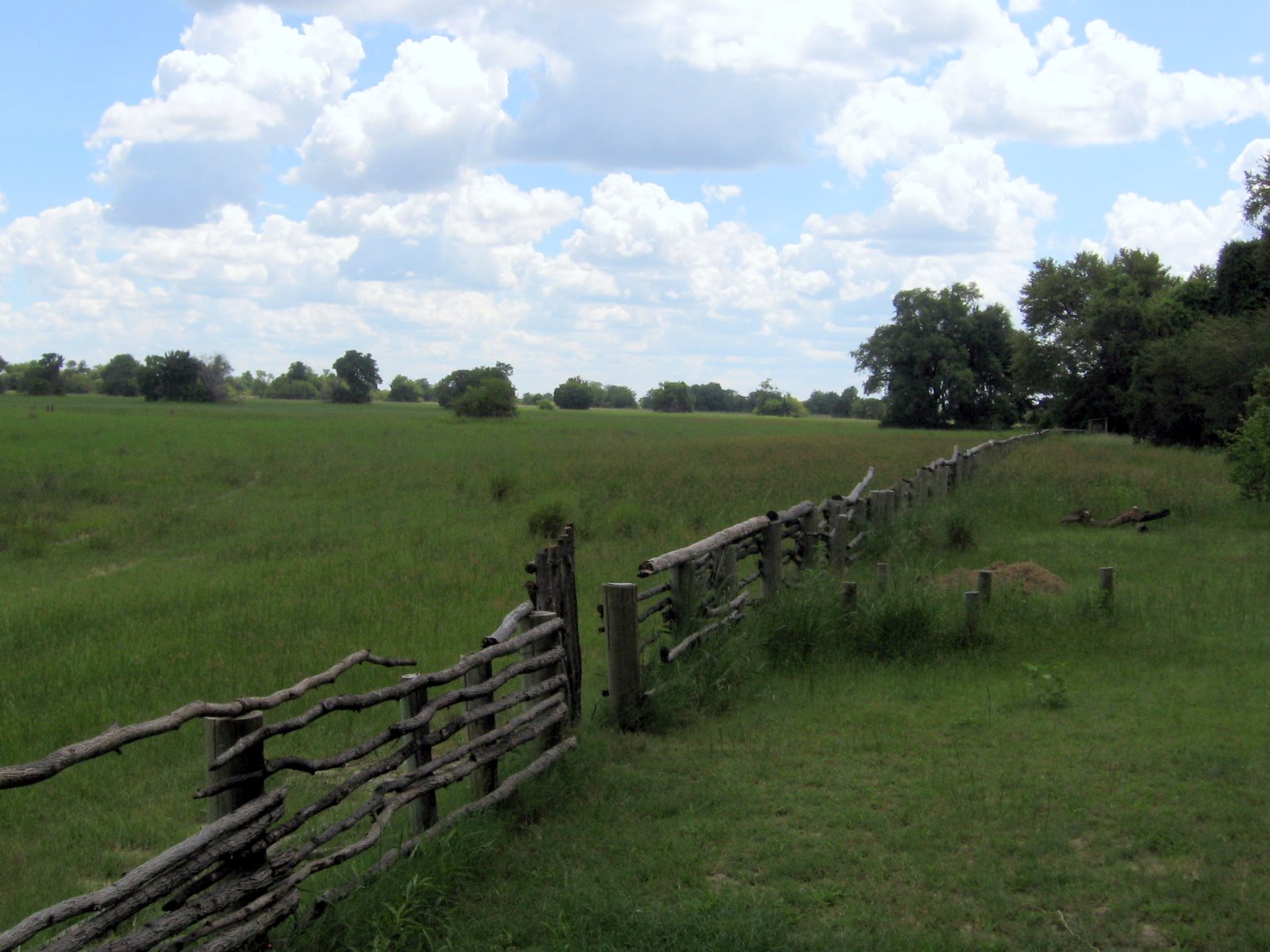
Parks and reservesWhere to stayGrassland and a wooden fence at Mboroba, in the Okavango Polers Trust community area, Botswana. Photo: Parakh Hoon, CC BY-SA 3.0, via Wikimedia Commons.
The single most useful thing to understand about Botswana safari activities is that what you can do is decided by the land you are standing on, not by how much you are paying. A national park permits one set of things, a leased concession another, and community land another again. This overview runs through the activities that genuinely exist here and where each is possible.
The rule that governs Botswana safari activities
Inside national parks and game reserves, driving is daytime-only, on established tracks, at 40 km/h. Night drives, walking safaris and off-road driving are generally not permitted inside them. In private and community concessions on Wildlife Management Area land, those same activities are commonly allowed, because the concession sets its own rules within the terms of its lease. That is why a trip that combines a park with a concession offers more than either alone. Our parks and reserves pages explain the tenure picture behind it.
On the water
Choosing between them: mokoro safaris in the Okavango Delta covers where you can genuinely pole and whether to take a day trip or a night out, and Chobe river cruise or game drive does the same for Kasane.
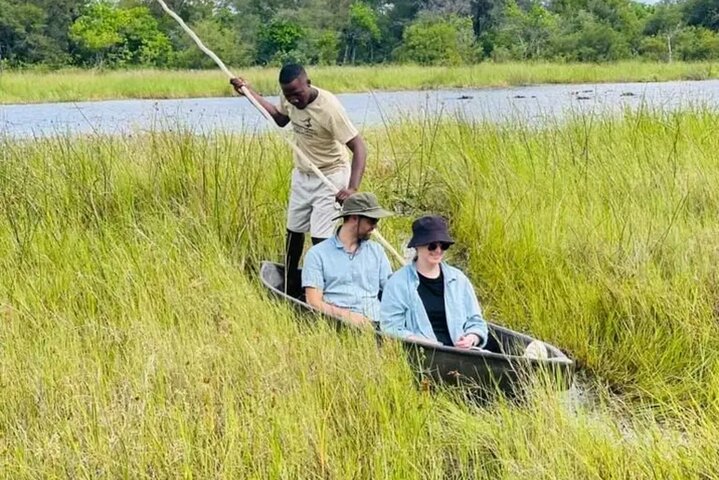
- Mokoro. The traditional dugout canoe, now generally fibreglass, poled from the stern through shallow channels and flooded grassland. It is quiet, low and eye-level with the water, and it is the classic Okavango experience. It is also seasonal and water-dependent — where and when a mokoro can be poled depends on the flood, which arrives at the Panhandle around March to May and reaches the southern and eastern Delta around June to September. No camp can guarantee it year-round.
- Boat cruises on the Chobe. The defining activity of the north, and the best way to see elephant, buffalo, hippo, crocodile and waterbirds at close range. Options run from large sunset cruises to small specialist photographic boats with low seating and gimbal mounts.
- Motorboat and barge trips in the deeper Delta channels and the Panhandle, which is also where the permanent papyrus swamp — and therefore any realistic chance of sitatunga — actually is.
- Fishing. Tigerfish and bream in the Panhandle, the Chobe and the Zambezi system, generally catch-and-release at camps. Closed seasons and permit requirements apply and change; check current regulations rather than trusting a brochure.
On land
For the Okavango side of that decision, see Moremi: day trip from Maun, or multi-day safari?
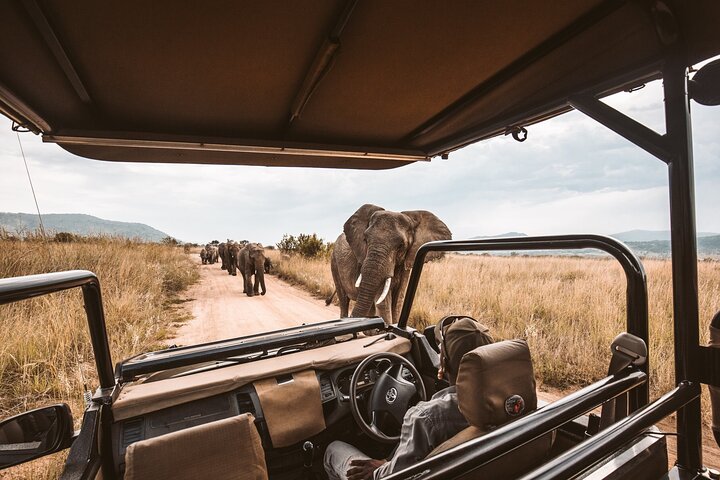
- Game drives. The staple, in open or semi-open 4×4 vehicles, morning and late afternoon. In hot conditions animals rest through the middle of the day, so early and late is not a scheduling quirk but the point.
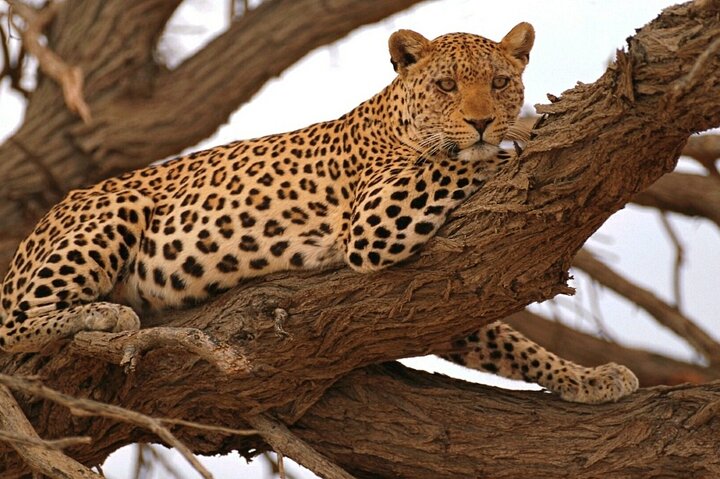
- Night drives. Available in concessions and community areas — Khwai, Linyanti, Selinda, Kwando, the Kalahari concessions and private reserves such as Northern Tuli — and not inside Chobe, Moremi or the other state parks. This is the way to see brown hyena, aardwolf, genets, civet and hunting leopard.
- Walking safaris. Guided, armed, small-group and on foot, again on concession and community land rather than inside the parks. A walk is about tracks, plants, insects and the texture of the bush rather than a species list.
- Horseback safaris and mountain-bike safaris. Both are established in the Northern Tuli reserve in eastern Botswana, whose rocky, open country suits them, and horseback riding is also offered in parts of the Delta and at Mokolodi. Riding among plains game and elephant demands genuine competence, and operators set experience requirements.
- Photographic hides. Sunken or ground-level hides at waterholes, notably in the Tuli and Kalahari concessions, giving low-angle work impossible from a vehicle. Some are bookable as a wilderness-camping category inside parks.
Birding
Botswana’s birding calendar is the inverse of the big-mammal calendar. The green season, roughly November to March, brings intra-African and Palearctic migrants and resident species in breeding plumage. The Okavango records 482 bird species in the World Heritage listing and the wider Ramsar system over 650.
The southern carmine bee-eater colonies of the north are the flagship spectacle: birds arrive in the northernmost zones around August and September, breeding runs August to January with laying completed by November, and most leave the region in March — so the practical window for colonies in northern Botswana is roughly September to November, which usefully overlaps peak dry-season game viewing. Colonies are easily disturbed and readily abandoned, so approach is a guide’s decision, not a guest’s.
Pans, desert and the Makgadikgadi
- Quad biking on the salt pans, in the dry months when the crust bears weight.
- Sleep-outs on the open pan, bedrolls under an unobstructed horizon — the pans’ distinctive offering, weather and season permitting.
- Meerkat walks. Habituated groups at private concessions in the Makgadikgadi allow visitors to sit among them at close range, best in the dry season when groups are reliably at known burrows and emerge to warm up at first light. An accuracy note: these are not the animals from the well-known television documentaries. The Kalahari Meerkat Project is based at the Kalahari Research Centre in the Kuruman River Reserve in South Africa, not in Botswana. Botswana’s habituated groups were habituated separately by camps in the Makgadikgadi. The experience is genuine; the association is not.
Guided walks with San communities
Guided bush walks led by San (Basarwa) guides are offered in the Central Kalahari, around Ghanzi and D’Kar, and at several Kalahari camps. At their best they are a serious ethnobotanical and tracking education led by people with unmatched knowledge of that country, and Botswana Tourism itself promotes them around Ghanzi. At their worst they are staged.
The questions worth asking an operator are who owns the enterprise, whether guides are employed and paid year-round, and whether guests are asked to photograph people dressed for the visitor rather than for the day. San communities in Botswana have a contested and often painful relationship with conservation land policy, and a walk is not a neutral cultural product.
Scenic flights
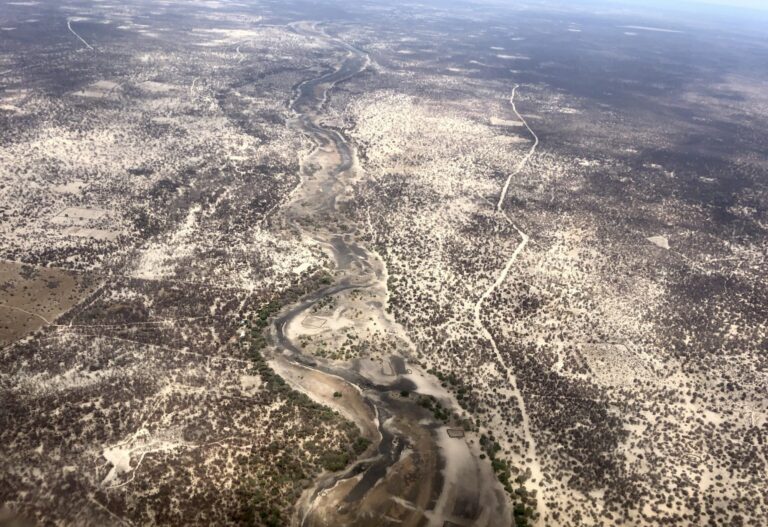
Fixed-wing and helicopter flights over the Delta, usually from Maun or a camp airstrip, are the only way to grasp the shape of the system — channels, islands, floodplain and the line where water stops. Helicopters with doors removed are the standard choice for photography. Flights are also occasionally the practical way to reach or leave a camp when a route floods.
The other activity most northern trips add is across a border: Victoria Falls from Kasane — 80 km, two borders, and whether it deserves a night.
Bookable tours in Botswana
These are real, bookable products, checked against the operator listing before we publish them. We show what the tour includes and how long it runs. We do not publish prices, availability, star ratings or review counts — those change daily and belong on the operator’s own page.
7 hours
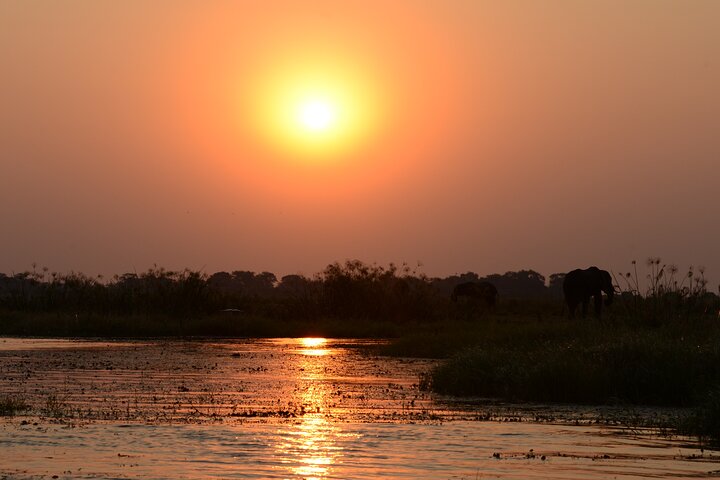
Chobe River Majestic Wildlife Cruise With Exclusive Boat Safari
Chobe and Kasane Tours · River Cruises
View tour10 hours
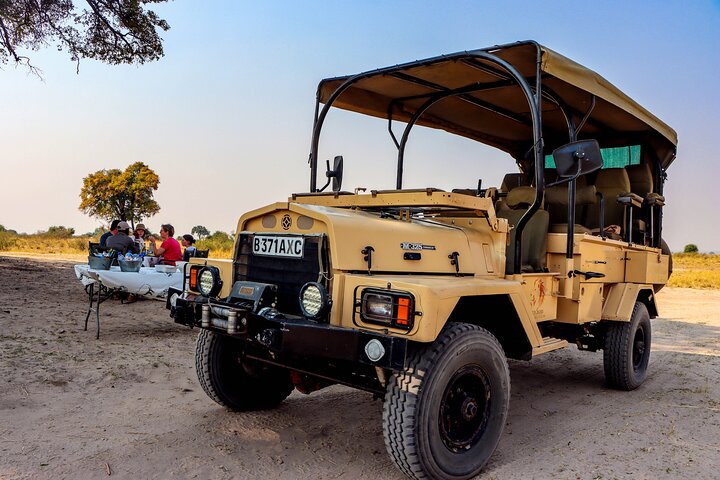
Full Day Game Drive in Chobe National Park (Leon Safaris Gold)
Chobe and Kasane Tours · Game Drives
View tour4 days
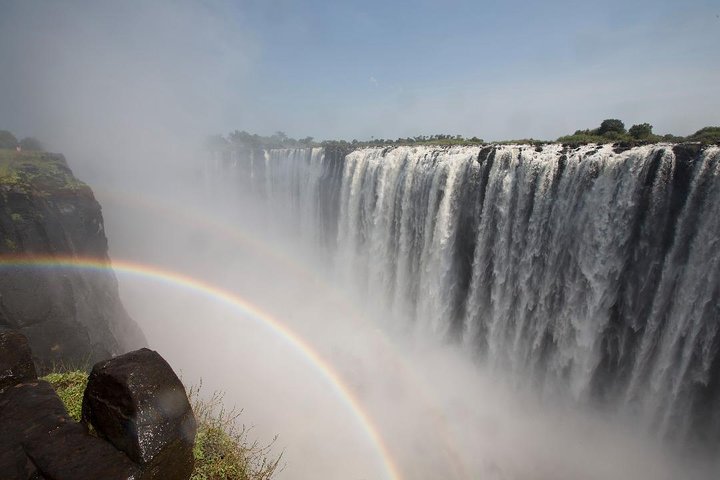
4-Day Splendors Of Moremi and Khwai Safari
Maun and Okavango Tours · Multi-Day Safaris
View tour
Browse tours by category
- Chobe and Kasane Tours — 39 tours. Boat cruises, game drives and Victoria Falls day trips out of Kasane.
- Maun and Okavango Tours — 90 tours. Mokoro days, Moremi drives and scenic flights from the delta gateway.
- Multi-Day Safaris — 82 tours. Three days and upward, camping or lodge-based, usually Maun to Kasane.
- Day Tours — 59 tours. Single-day trips you can slot around a flight or a lodge transfer.
- Game Drives — 19 tours. Half- and full-day drives, mostly in the Chobe riverfront sector.
- River Cruises — 10 tours. Afternoon and sunset boat safaris on the Chobe.
- Mokoro Experiences — 17 tours. Poled dugout trips in the delta, from a few hours to overnight.
- Moremi Safaris — 22 tours. Day and multi-day trips into Moremi Game Reserve.
Plan the rest of your trip
- Parks and reserves — what each category of land permits.
- Wildlife and seasons — the flood, the migrations and when to expect what.
- Destinations, accommodation, itineraries, self-drive and travel planning.
Activities you can actually book
Real products from the catalogue — mokoro days, boat cruises, game drives and multi-day circuits. Every card opens our own tour page first.

Browse all tours and activities
Every card opens our own tour page first. Booking happens on the operator’s site, where the live price and availability are.
Sources and references
- Botswana Tourism — viewing wildlife and Ghanzi
- UNESCO — Okavango Delta and Ramsar — Okavango Delta System
- Southern African Bird Atlas — southern carmine bee-eater
- Kalahari Research Centre — the Kalahari Meerkat Project’s actual location, in South Africa
Where each activity belongs
Activity availability is a function of the protected-area category, not of what a camp would like to sell you.
What the boat shows that the vehicle cannot, why the drive goes first, and the trips that do both.
Open →Chobe National ParkBoat cruises on the river, and the country’s most accessible game drives.
Open →Moremi Game ReserveSelf-drive game viewing, and where the water stops the vehicle.
Open →Makgadikgadi & the Salt PansQuad biking, sleep-outs and habituated meerkats — a different kind of day entirely.
Open →The rules decide the itinerary.
Read the protected-area categories before you build a day around an activity that is not allowed where you are going.
Parks and reservesPlan your trip