
Botswana Travel Guide
Independent, source-checked guides to Botswana’s regions, parks and reserves, wildlife and seasons, self-drive routes and practical trip planning.
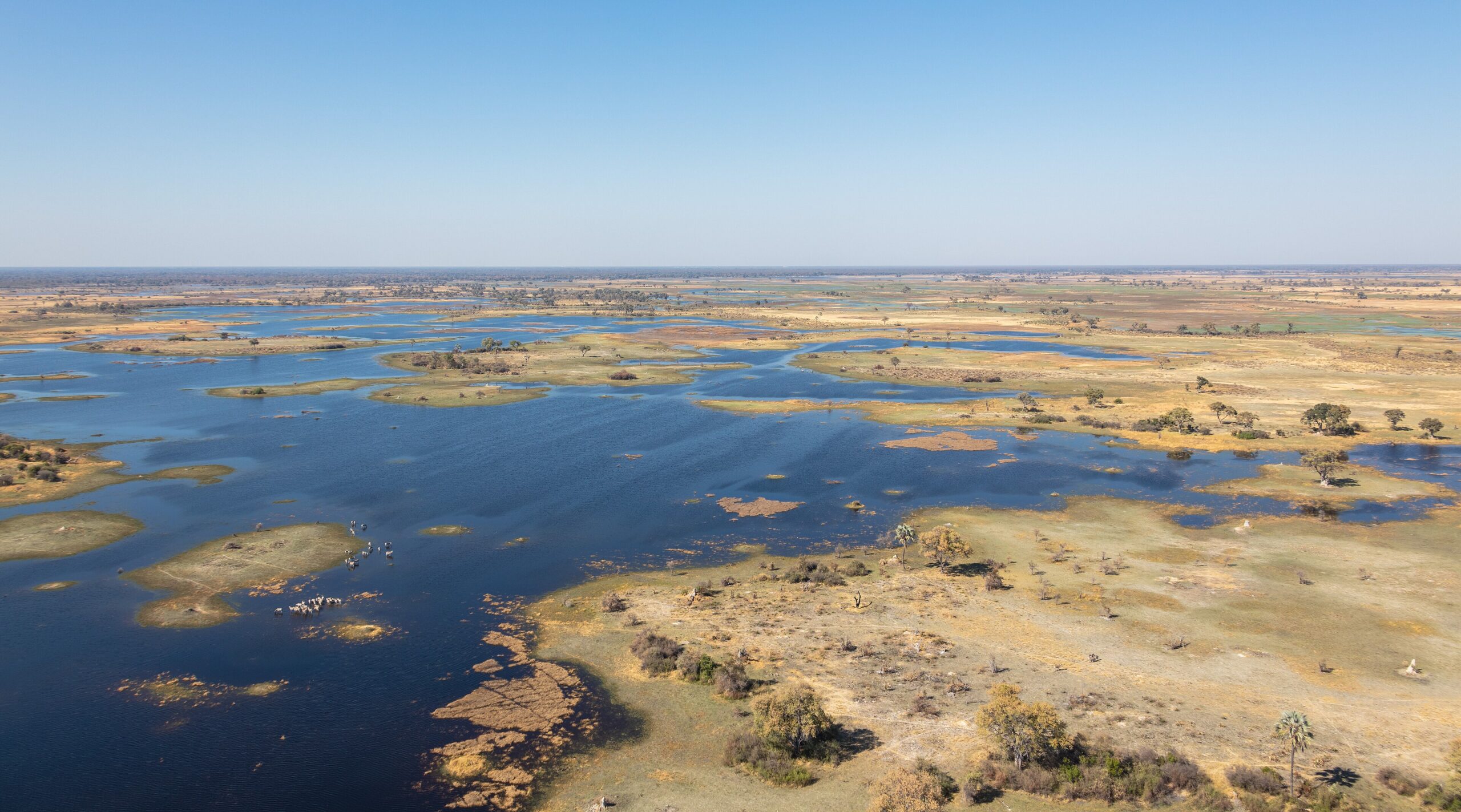
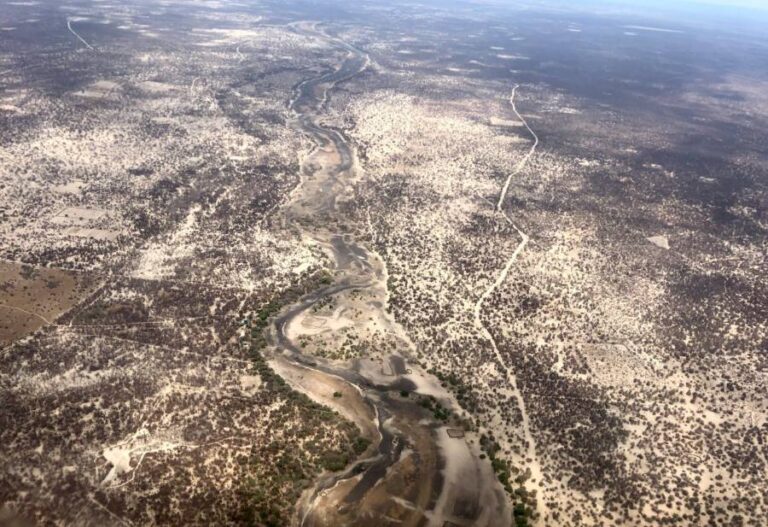
Explore destinationsPlan your tripHero image: aerial view of the Okavango Delta. Photo: Diego Delso, 2018, CC BY-SA 4.0, via Wikimedia Commons.
Two calendars, one country
The single most useful thing to understand before you pick a month.
In the north, the Okavango Delta floods in the dry season — a reversed cycle we take apart in the flood cycle guide. Water that fell on the Angolan highlands months earlier and 1,500 km away peaks at Mohembo around March and April and reaches the lower Delta around August and September. Chobe arrives at the same place by another route: as inland pans dry between May and August, game commits to the permanent river.
The Kalahari does the reverse. The Central Kalahari is at its best during and shortly after good summer rains — precisely when the northern parks are green, dispersed and hard to drive. A trip that takes in both halves of the country cannot optimise for both. Choosing knowingly is most of what planning Botswana consists of.
Start here
Six ways into the guide, depending on what you are stuck on.
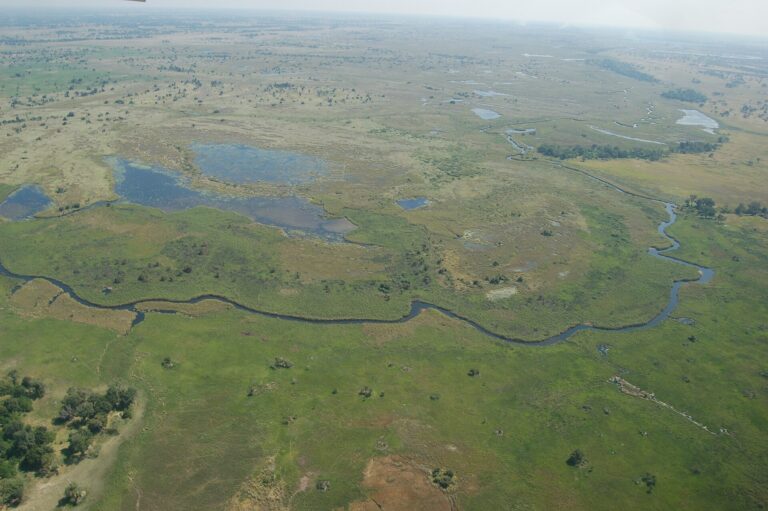 DestinationsThe six regions, and the towns you actually fly into and sleep in.
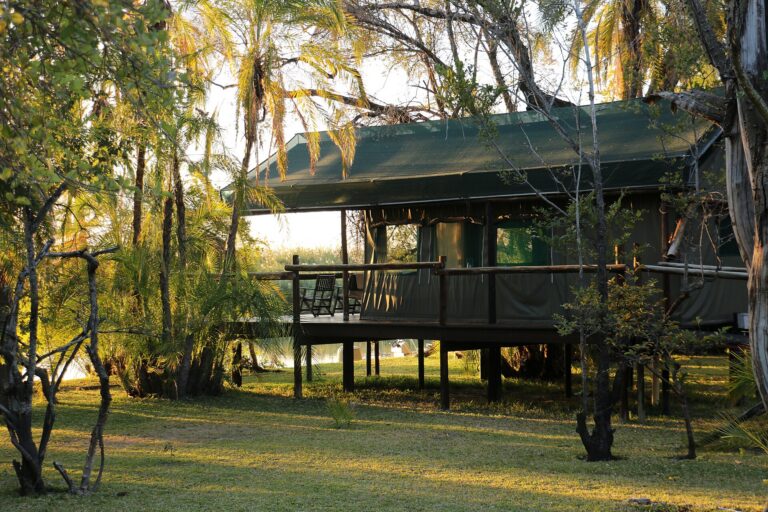 AccommodationEvery property we have checked, grouped by area and by type. No rates, no ratings.
 Tours & ActivitiesBookable boat safaris, game drives, mokoro days and multi-day trips.
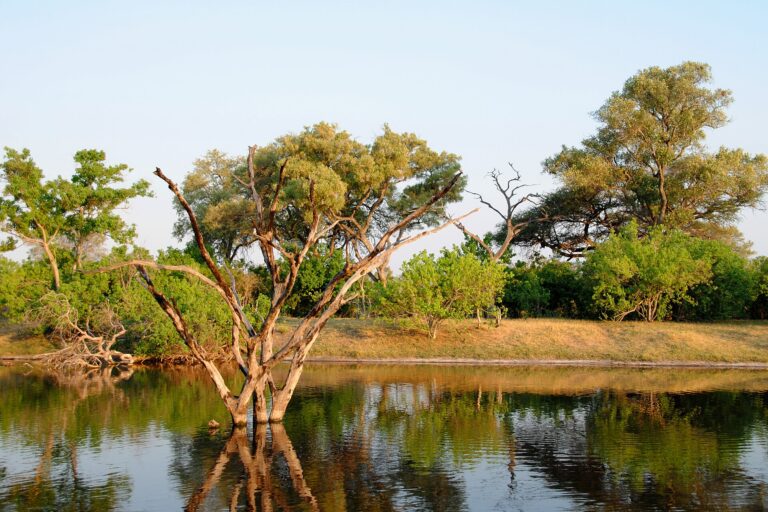 Parks & ReservesWho administers what, and which activities each category of land permits.
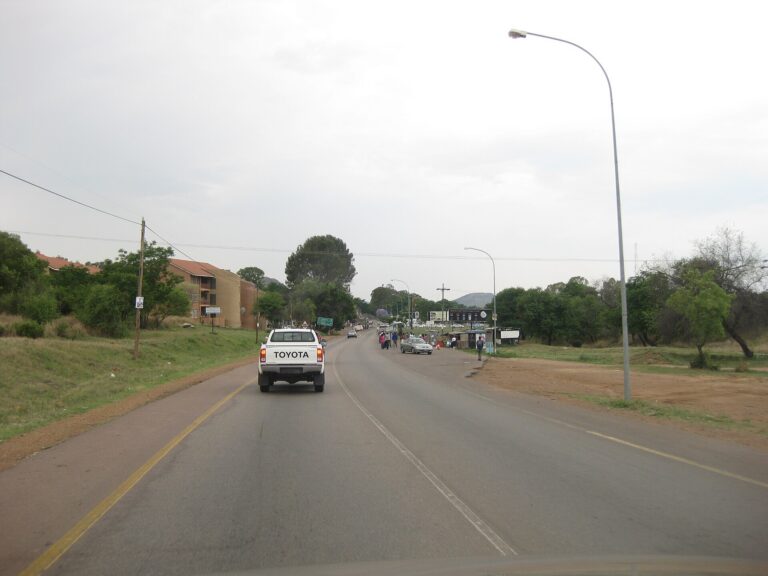 Self-DriveDistances, fuel gaps, sand, and the roads a 4x4 is genuinely required for.
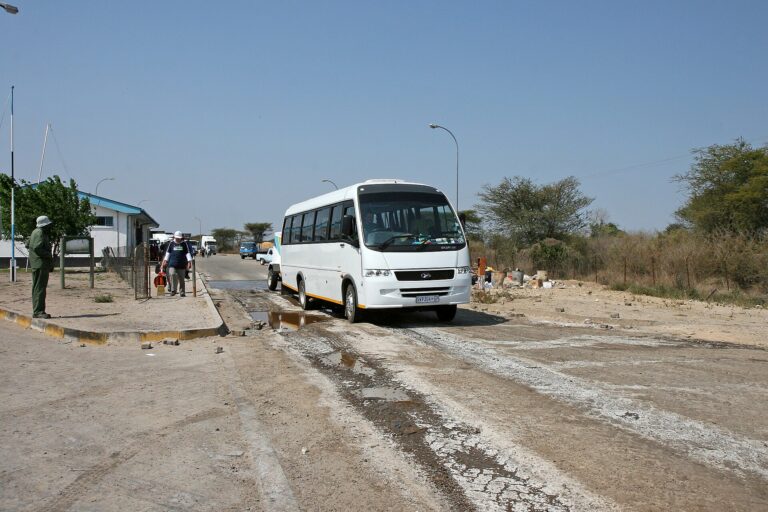 Plan Your TripBest time to go, entry requirements, itineraries and what a trip actually costs.
Explore Botswana: the six regions
Botswana Tourism publishes no official tourism regions, so we built one. Our six follow the road and air network — the routes and gateways that actually govern how a trip is assembled.
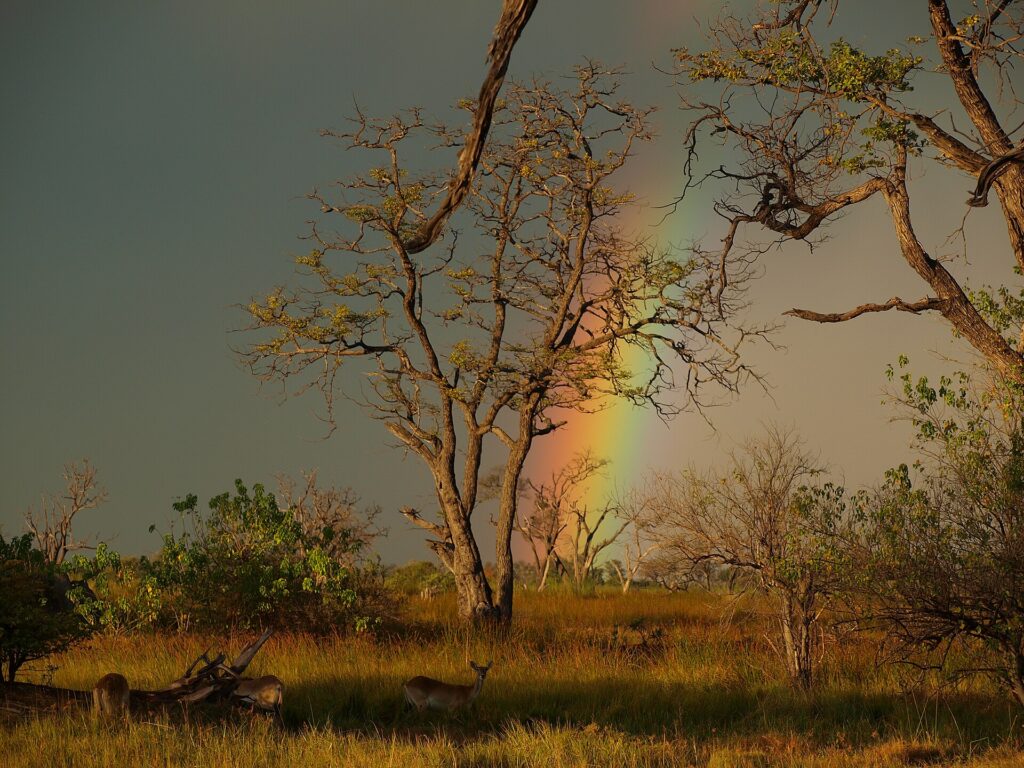 Okavango Delta
The inland delta and the town that serves it. Most of it is leased concession land reached by light aircraft; the eastern, dry-land edge is the part you can drive.
Explore the Delta →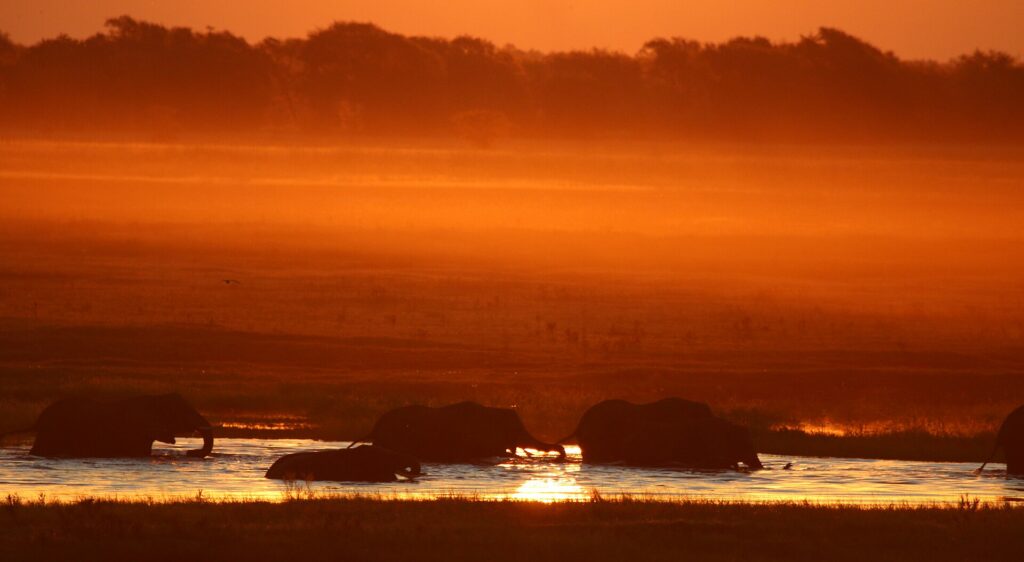 Chobe & Kasane
The far north on the Chobe River, and the most accessible of the great wildlife areas. Three international borders and Victoria Falls within a short drive.
Explore Chobe →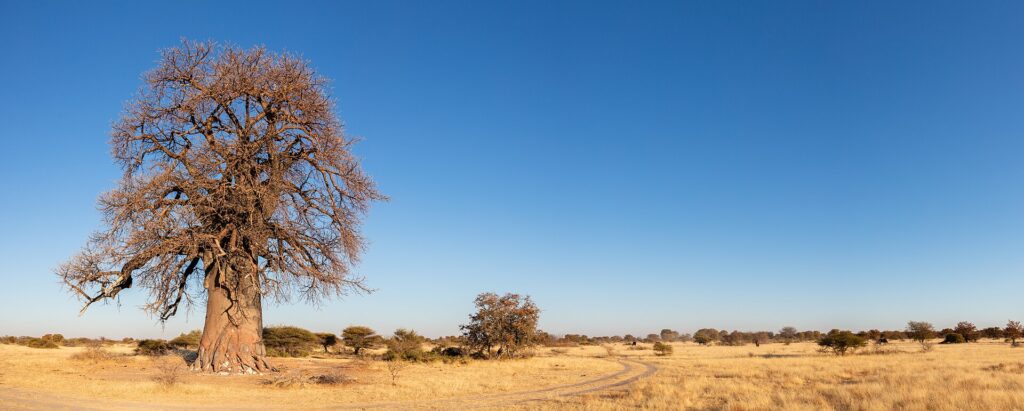 Makgadikgadi
The pan country either side of the A3, whose calendar runs backwards relative to Chobe. Quad biking, sleep-outs and habituated meerkats belong here.
Explore the pans →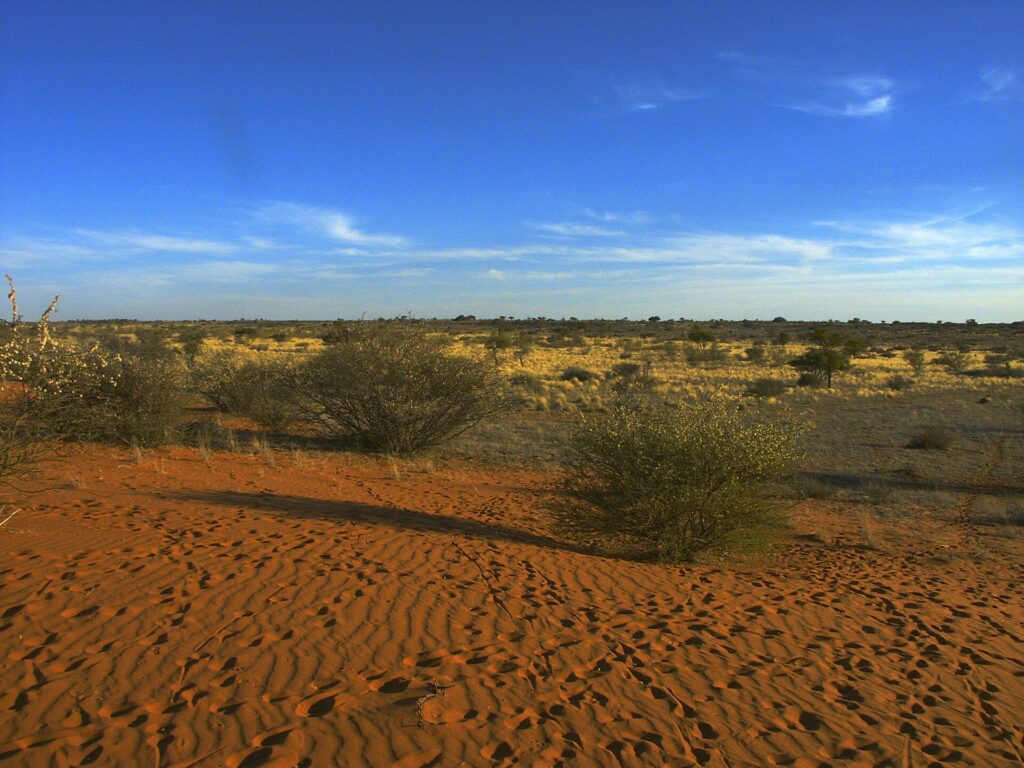 The Kalahari
Sand country covering most of Botswana: the Central Kalahari, Khutse, the Kgalagadi Transfrontier Park and Mabuasehube. Demanding, self-sufficient travel.
Explore the Kalahari →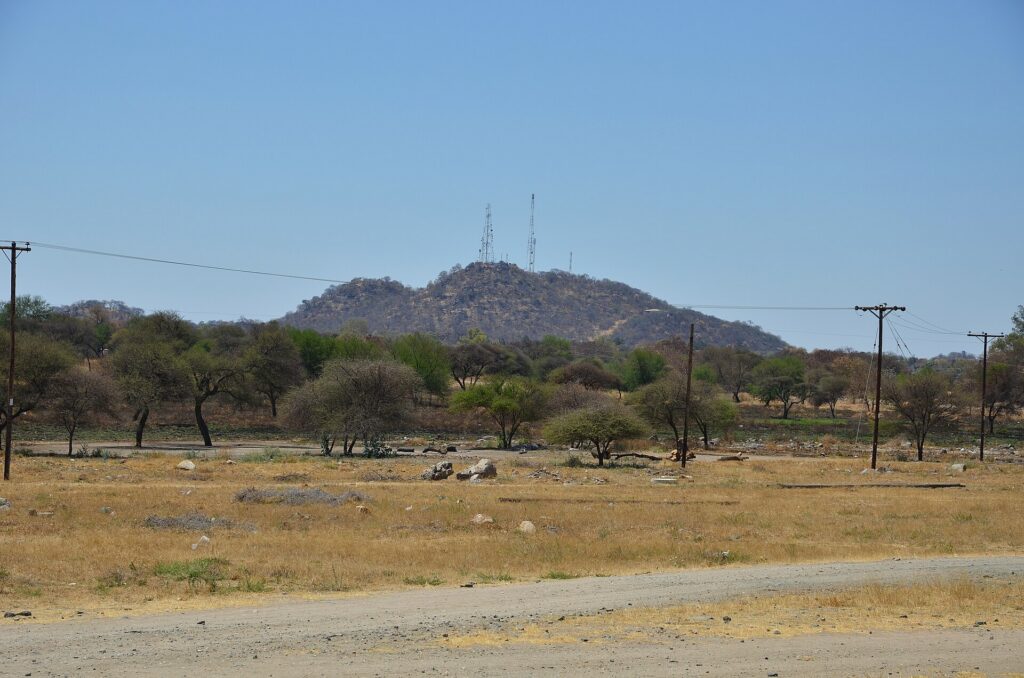 Eastern Botswana
The A1 corridor most safaris skip. It holds the country’s most reliable rhino viewing and its most dramatic private reserve, in the Tuli Block.
Explore the east →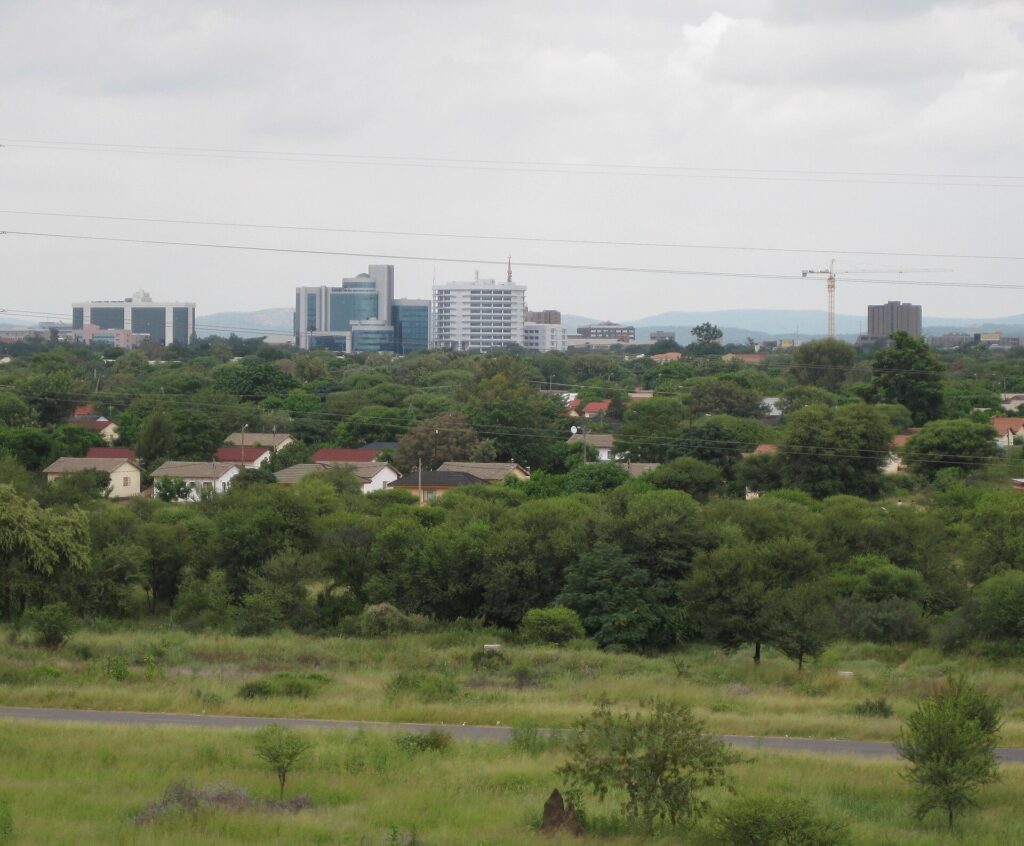 Gaborone & South-East
The capital, its nature reserves and heritage sites, and the main South African border crossings. Most Delta and Chobe itineraries bypass it entirely.
Explore the south-east →Iconic parks and reserves
Inside a national park or game reserve, driving is daytime-only, on established tracks, at 40 km/h, and night drives and walking are not permitted. Step across the boundary into a concession and those activities are usually allowed. That single distinction explains most of what puzzles first-time visitors.
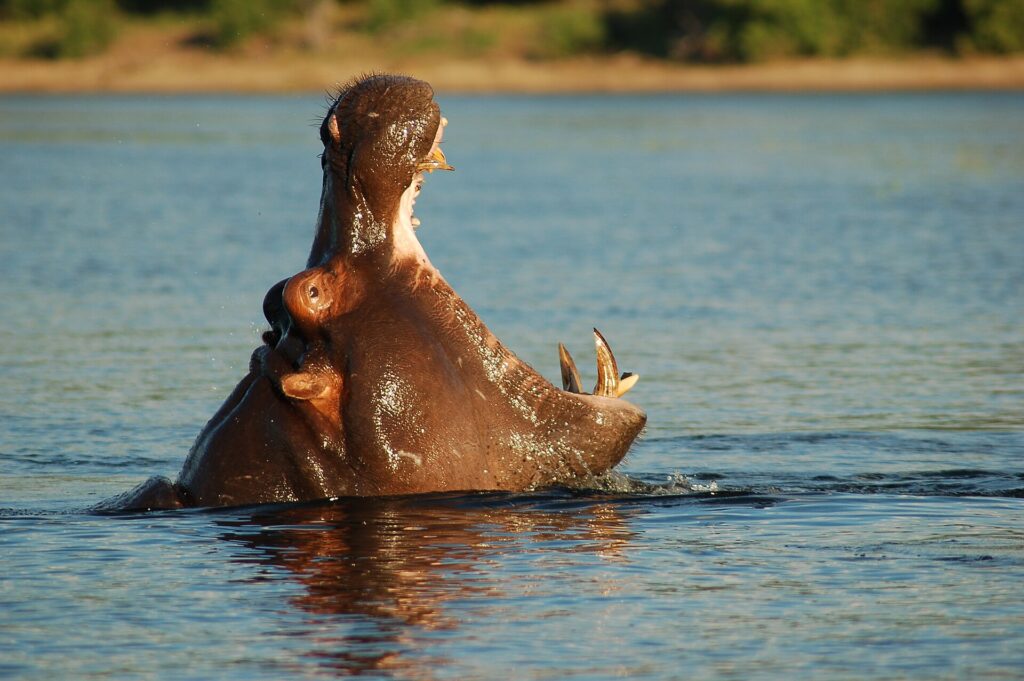 Chobe National Park
The riverfront, Savuti, Linyanti and the Nogatsaa pans, with gates, seasons and how the fee structure actually works.
Read the guide →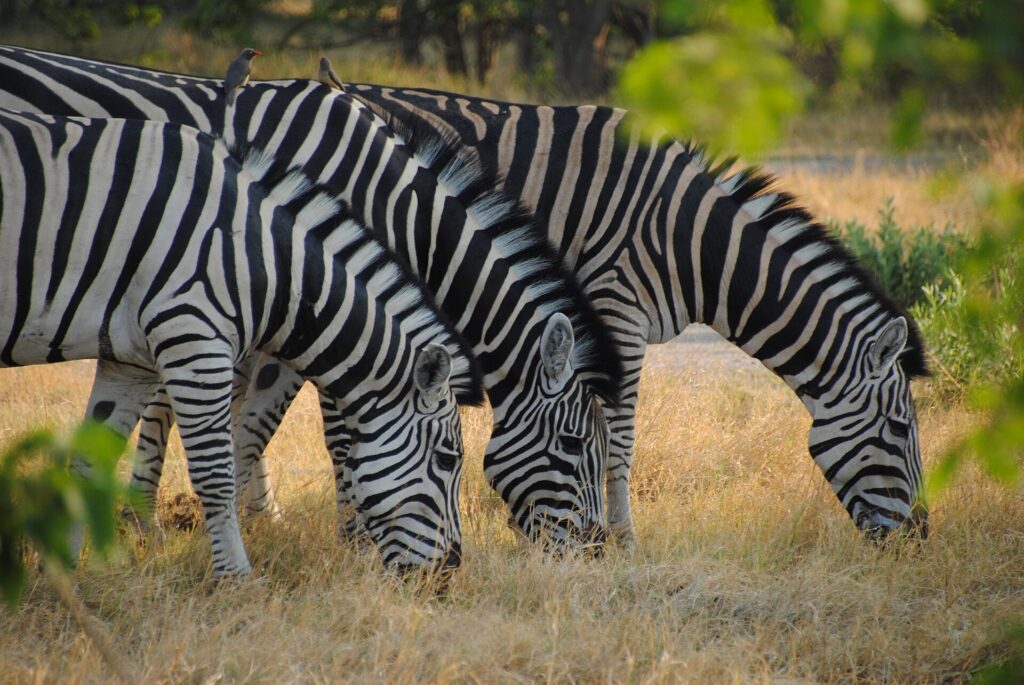 Moremi Game Reserve
The only part of the Okavango you can drive into, proclaimed by the Batawana people in 1963 on their own land.
Read the guide → All parks and reserves
National parks, game reserves, Wildlife Management Areas, concessions and community trusts — and how entry and camping are booked.
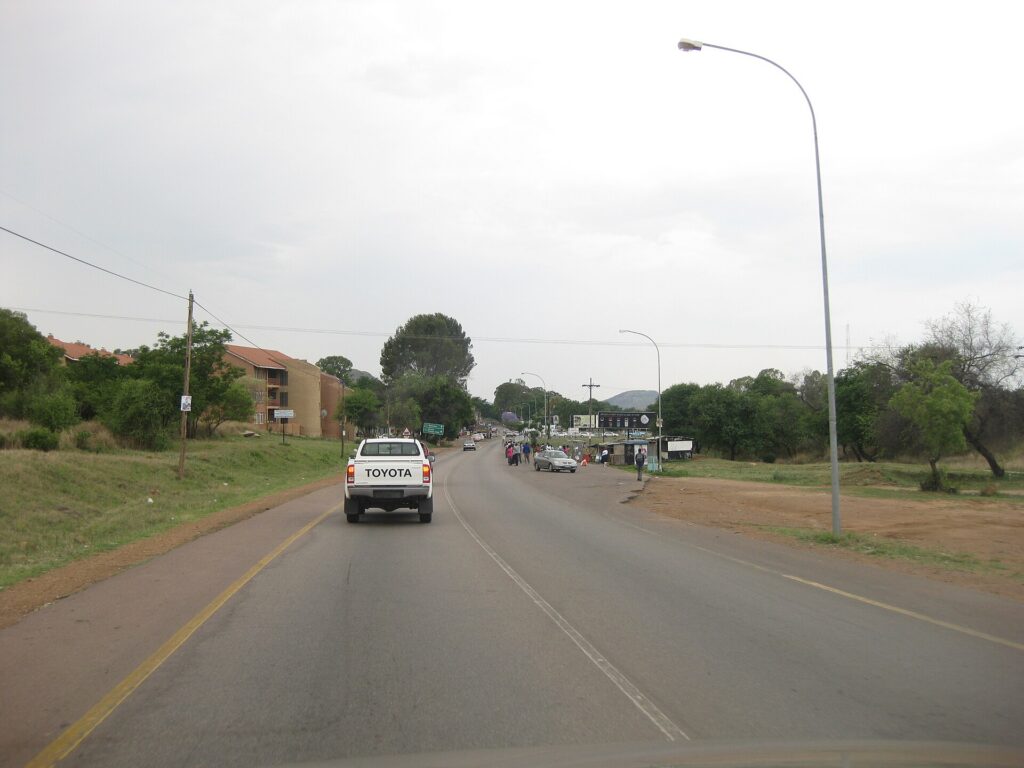
View all →Self-drive Botswana
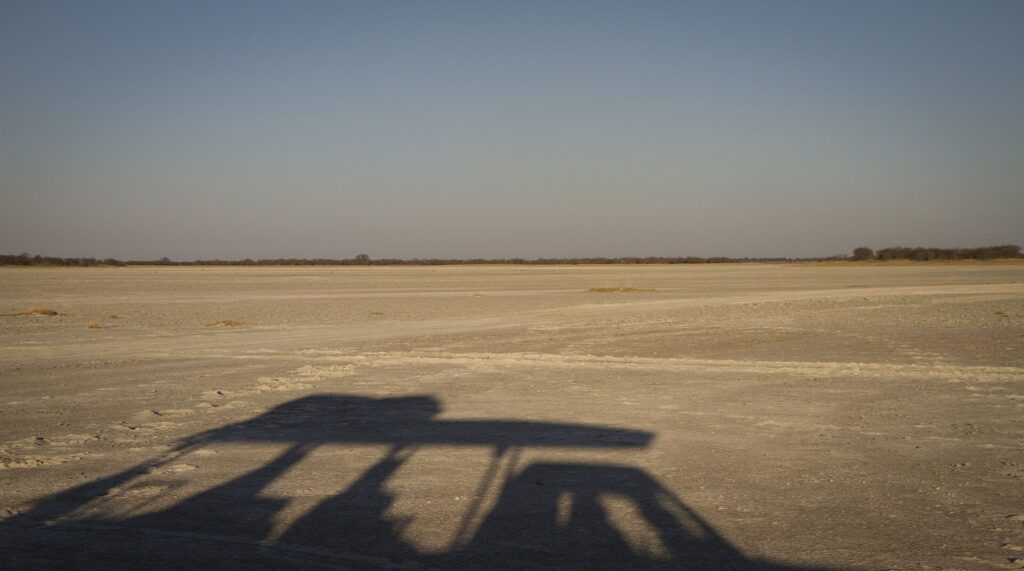
One of the few countries where driving yourself is a genuine alternative to the fly-in safari rather than a budget compromise — and one of the few where getting it wrong has real consequences.
Plan your trip
Once the region is settled, the practical questions follow in a fairly fixed order — season, entry, transport, vehicle, beds.
 Travel planning
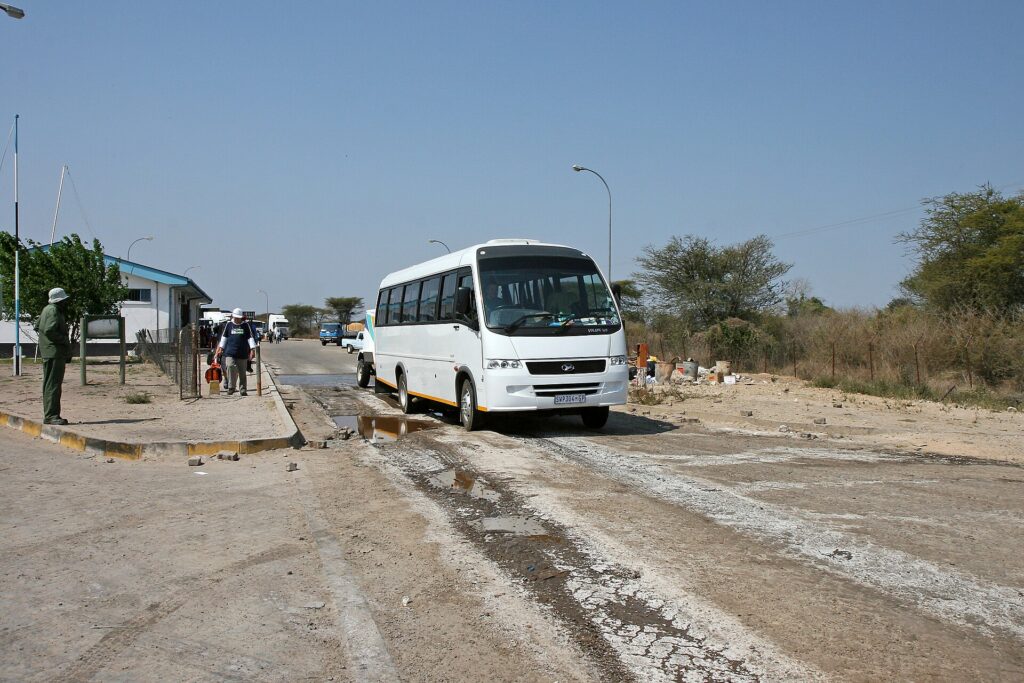
When to go, entry requirements, borders, domestic flights, money, connectivity and health — with the contradictions between official sources flagged, not smoothed over.
Plan the practicalities → Itineraries
Trips organised by shape — fly-in, self-drive, combined or cross-border — because ten days flown and ten days driven share almost nothing.
Compare trip shapes →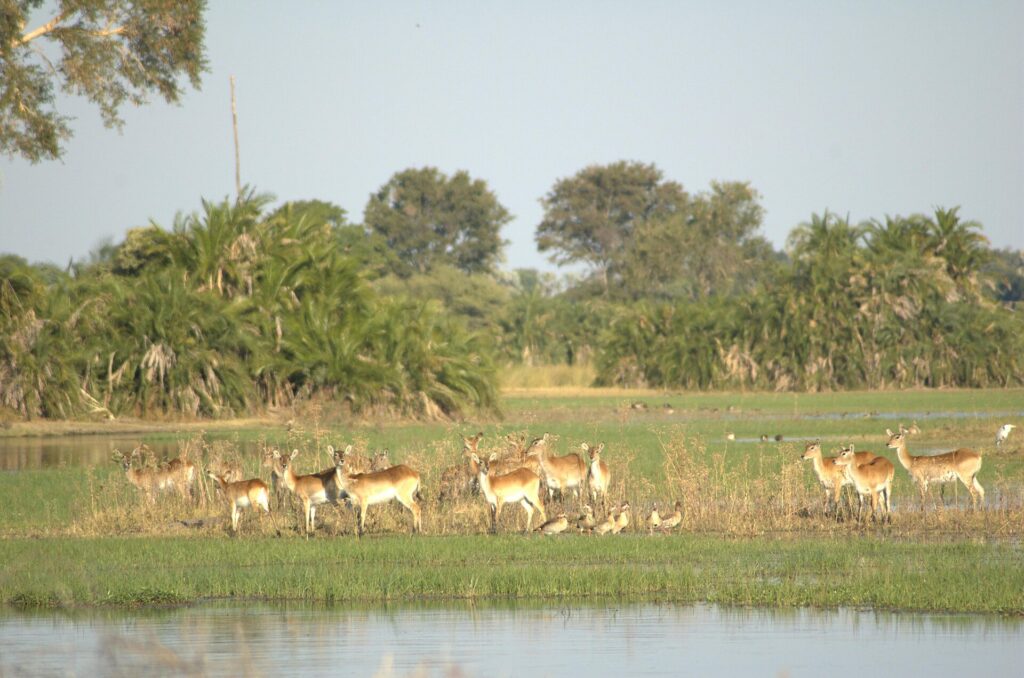 Wildlife & seasons
The two cycles that govern everything, two separate zebra migrations, and honest odds on the species people come for.
See what moves, when →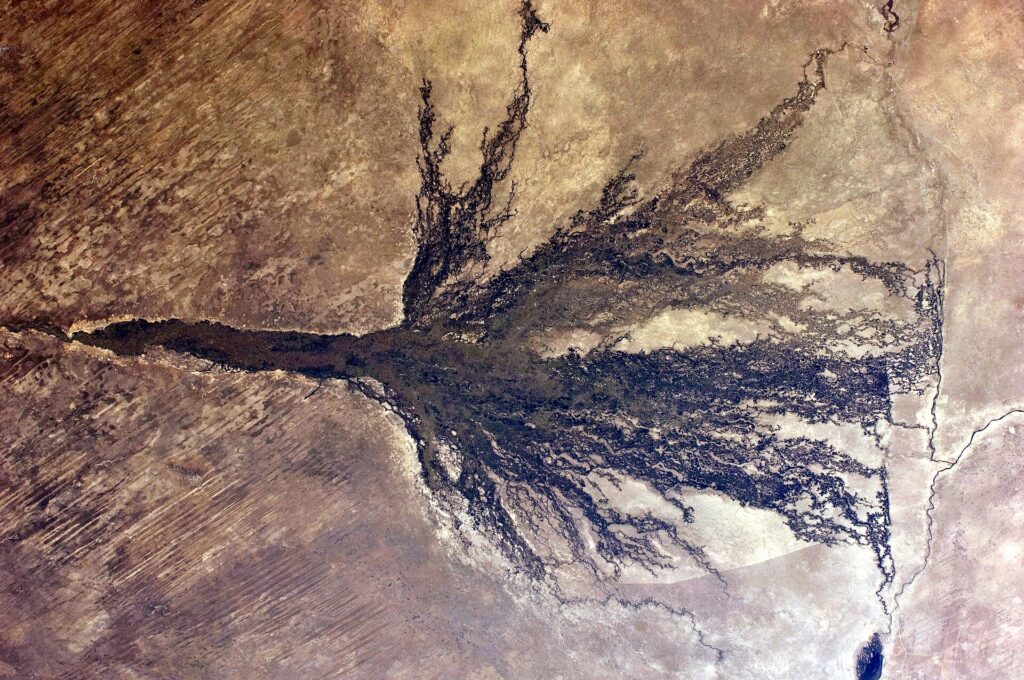 The Okavango flood cycle
Where the water comes from, the four-to-five-month lag, and why forecasting it is genuinely uncertain.
Understand the flood → Safaris & activities
Mokoro, boat cruises, game drives, night drives, walking, birding and the pans — and which land each one is allowed on.
See what is possible →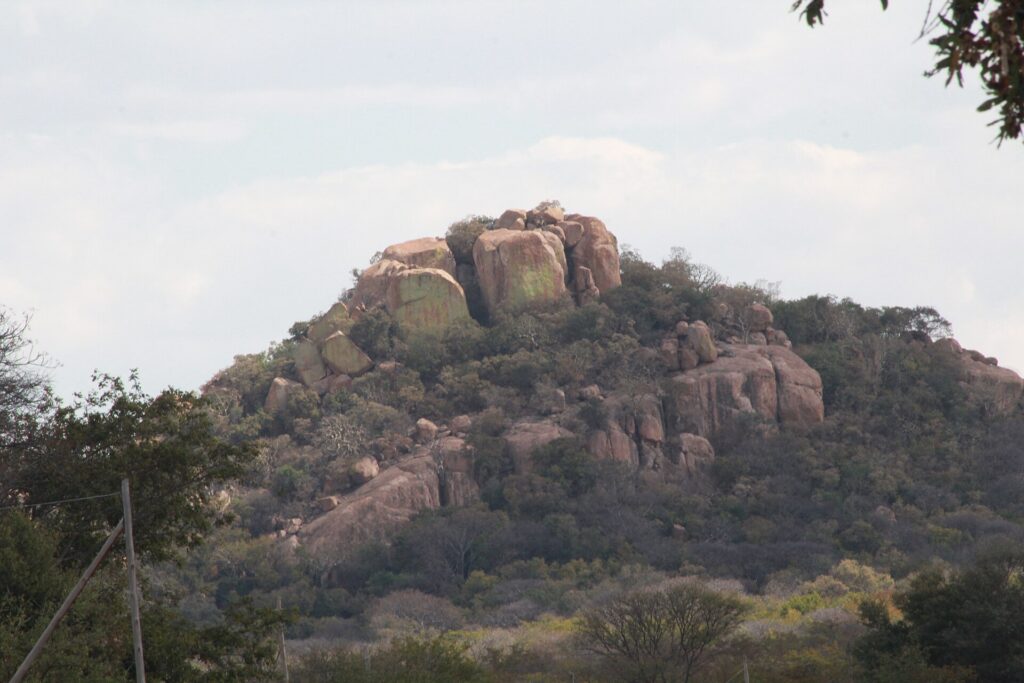 The journal
Field notes, seasonal updates, route and closure updates, and corrections published in public rather than edited away.
Read the journal →Where to stay
Accommodation in Botswana divides more sharply than in most countries, and the division is about access rather than luxury. Fly-in concession camps are reached only by light aircraft; lodges and guesthouses cluster in the gateway towns; government campsites inside the parks are booked separately from park entry, sometimes from a different organisation altogether.
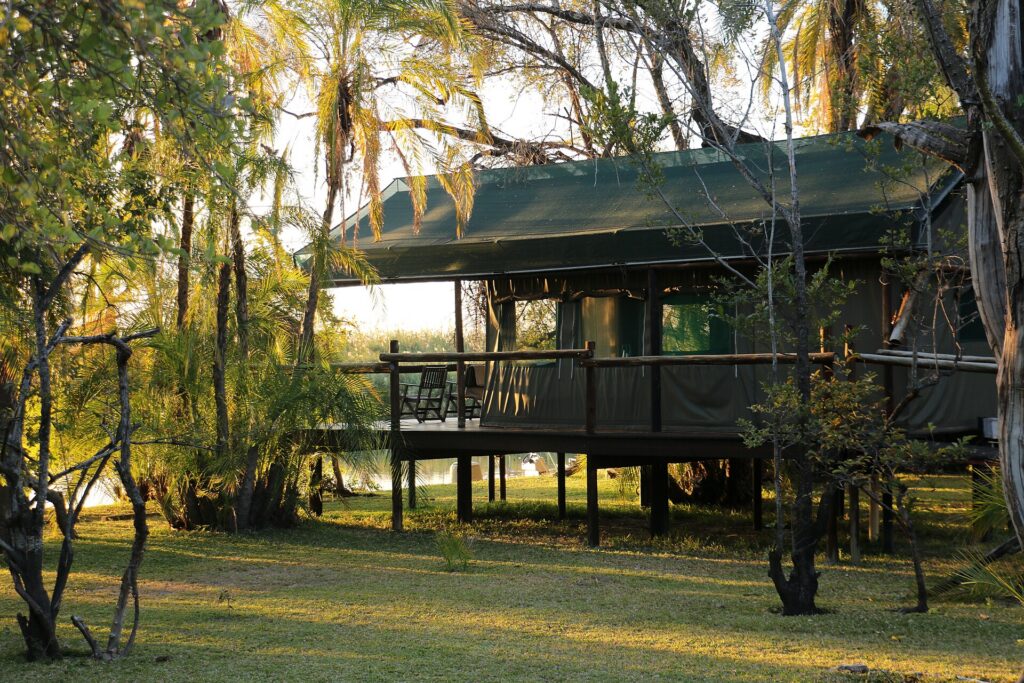
Where to stay, by area
638 properties, each one checked, grouped by the area you will actually be sleeping in.
76 properties
Maun
The Okavango gateway — riverside lodges, campsites and the airstrip most fly-in trips pass through.
Browse stays54 properties
Kasane & Chobe
Riverfront lodges and town hotels ten minutes from the Chobe riverfront.
Browse stays7 properties
Okavango Delta
Water camps and island lodges reached by light aircraft or mokoro.
Browse stays
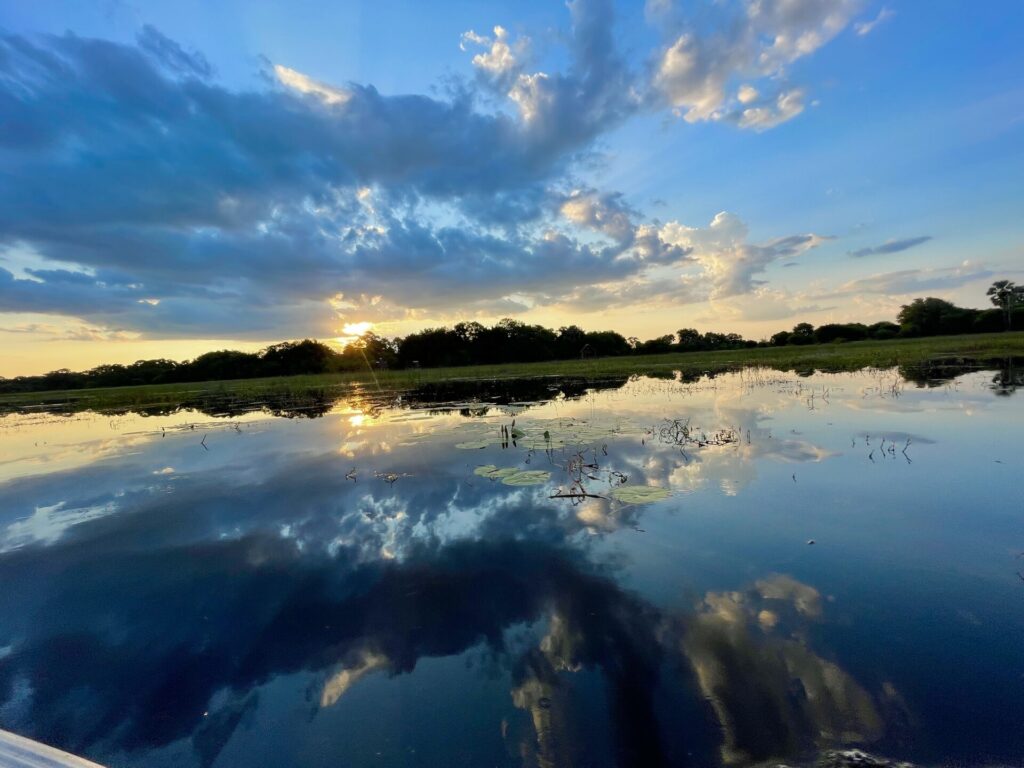
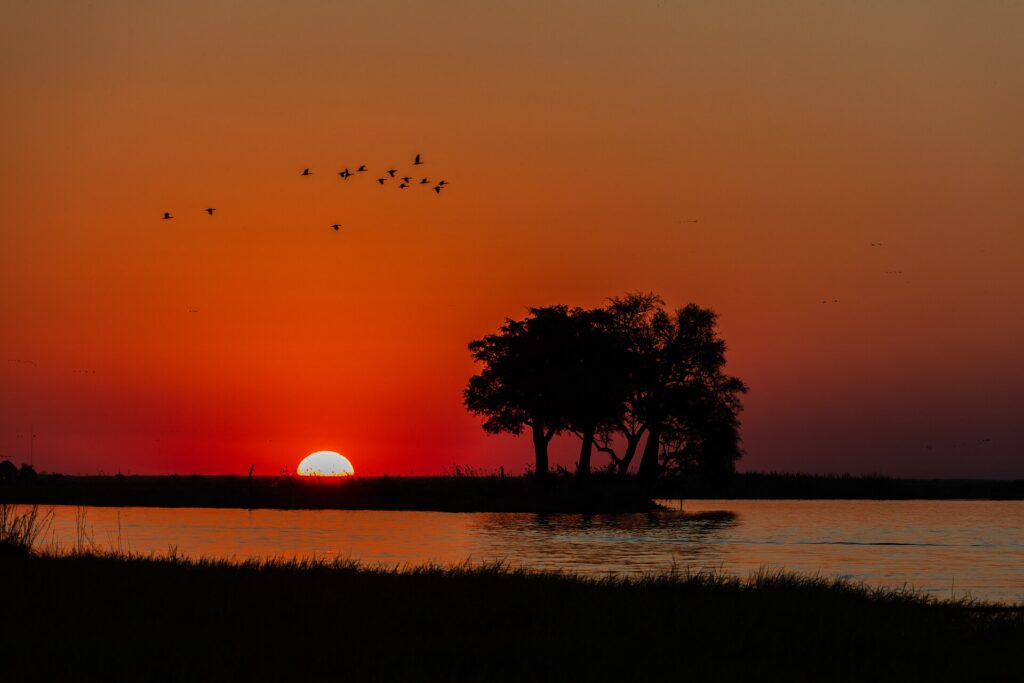
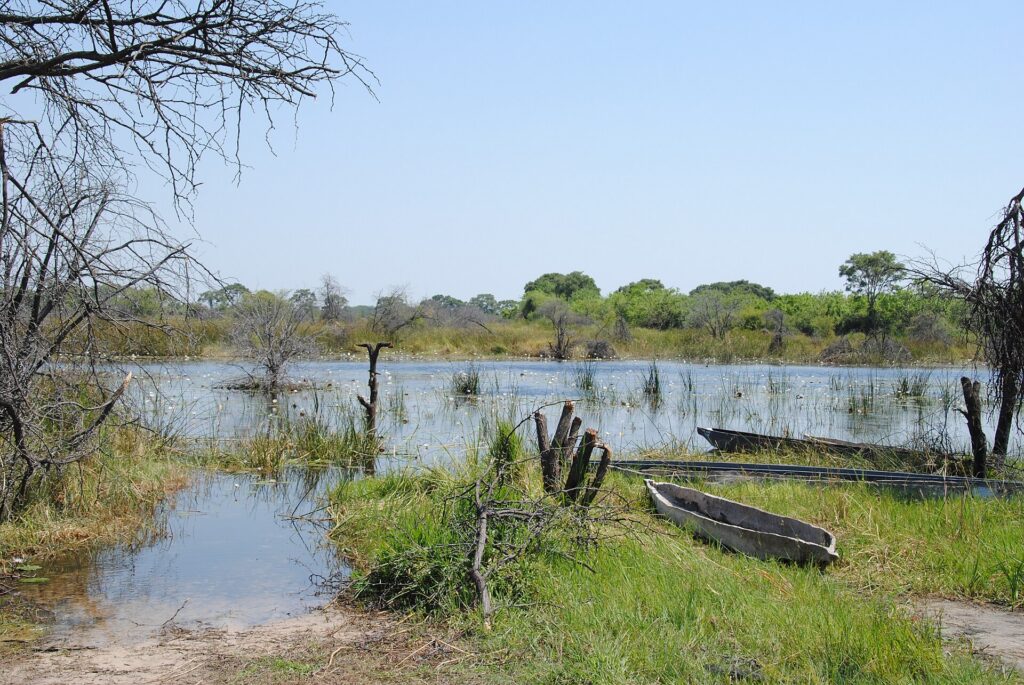
Browse all accommodation in Botswana — six regions, eight property types, no rates and no review scores.
A few of the properties we have checked
Real listings from the catalogue, refreshed as the catalogue grows. Every card opens our own property page first.
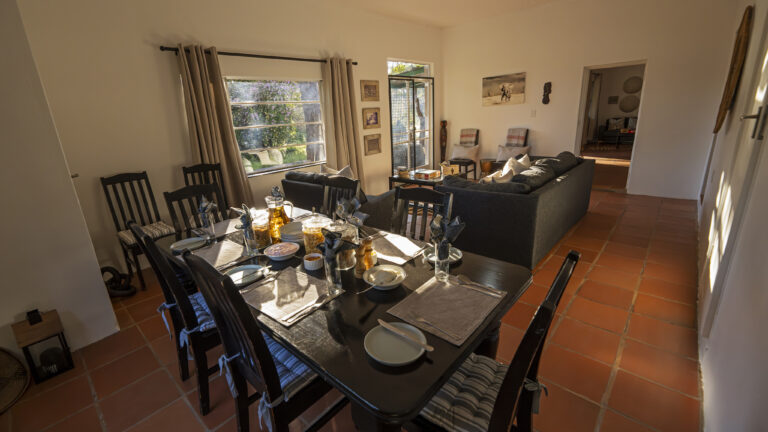
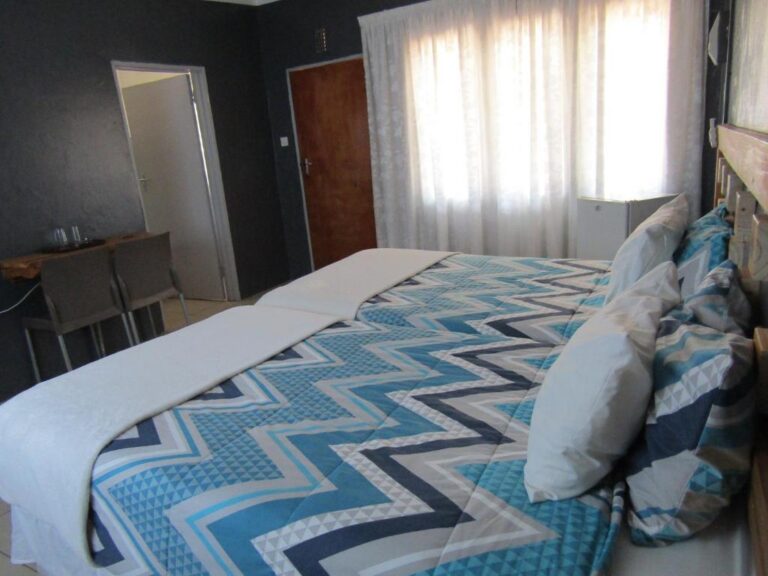
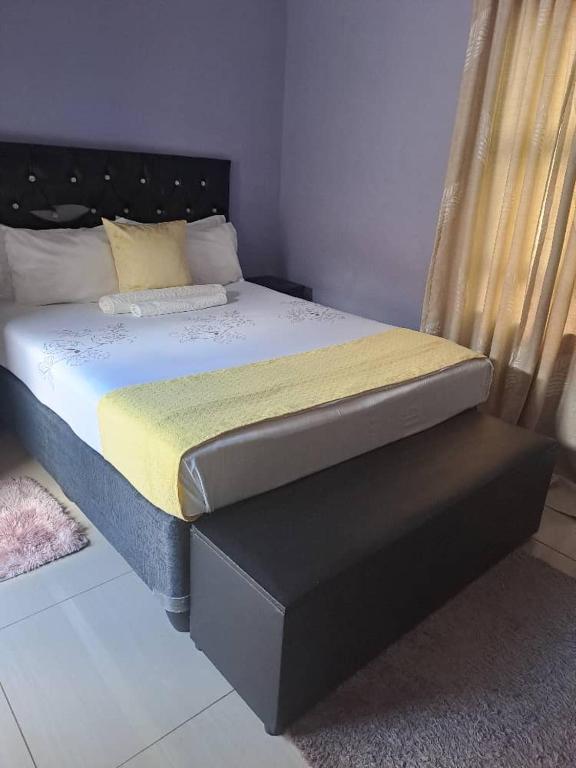
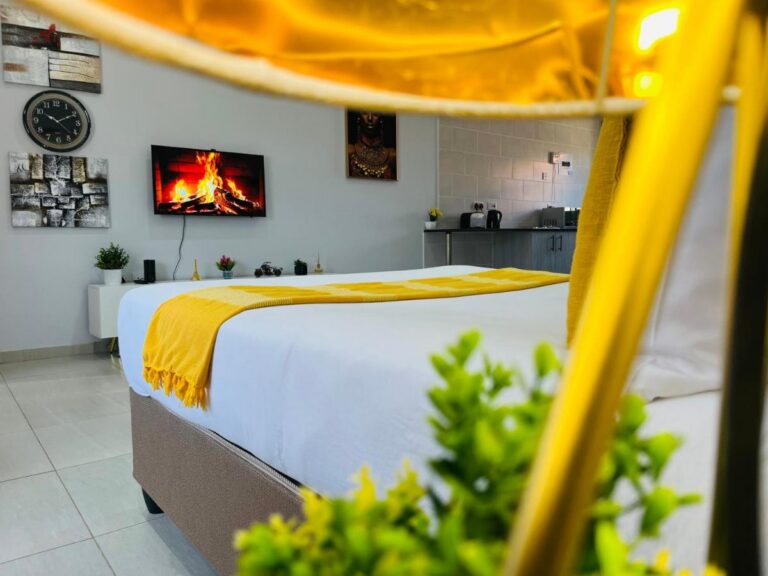
Every card opens our own property page first. We publish no rates, no availability and no ratings of our own.
Tours and activities
Mokoro trips from the Delta fringe, Chobe river cruises and game drives from Kasane, scenic flights over the Okavango and multi-day mobile safaris. Our editorial guide covers what each one actually involves and when it is worth doing.
Experiences you can book
Real Viator products from the catalogue. Every card opens our own tour page first; the live price and availability stay on the operator’s site.
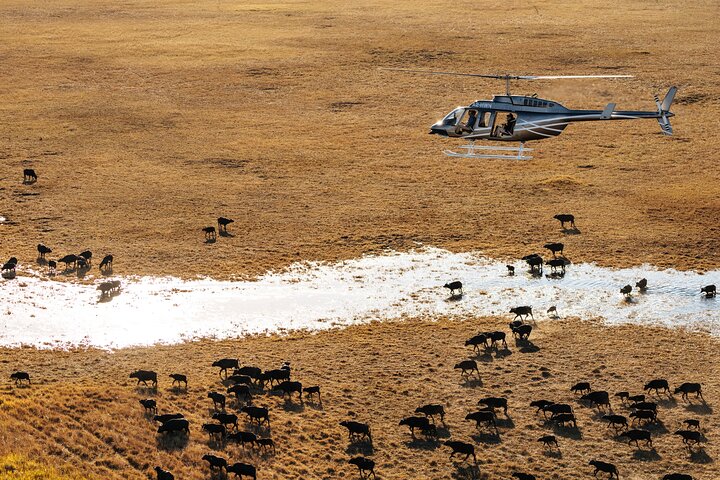
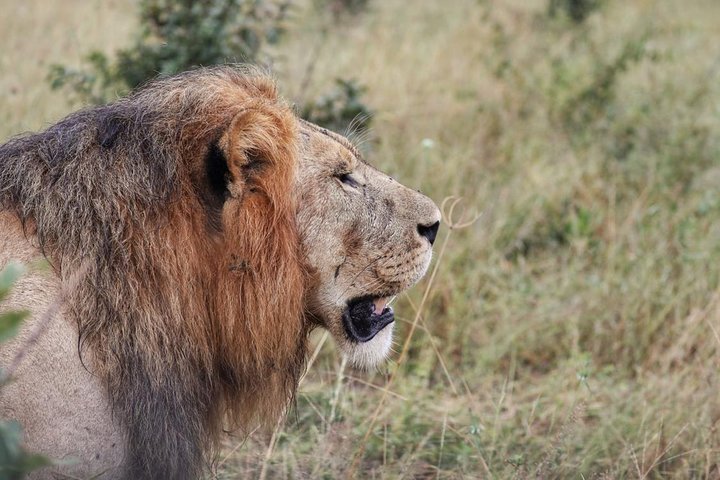
Every card opens our own tour page first. Booking happens on the operator’s site, where the live price and availability are.
Guides published so far
This Botswana travel guide is new, and we would rather say so than imply a library we do not yet have. The hubs above are live; beneath them, a smaller number of deep guides are finished. We are not putting up placeholder pages to fill a menu.
- Maun — the tourism capital, light-aircraft hub and road head for Moremi and the Makgadikgadi.
- Chobe National Park — the riverfront, Savuti, Linyanti and the rules that apply inside.
- Moremi Game Reserve — the reserve on the Delta’s eastern edge, and the difference between its drivable and water-bound halves.
- 4×4 and vehicle requirements — where an ordinary car is adequate, what “properly equipped” means, and which rules we could not verify.
- The Okavango flood cycle — where the water comes from, the four-to-five-month lag, and why forecasting it is genuinely uncertain.
How this Botswana travel guide is written
Everything here is built from primary and official sources — the Botswana Tourism Organisation, the Department of Wildlife and National Parks, the Government of Botswana, UNESCO and Ramsar, Statistics Botswana, SANParks for the shared Kgalagadi, and peer-reviewed literature — and our editorial guides carry their sources as links so you can go past us to the original.
We have not been to the places we write about, and we say so. For what the light was like at Savuti last September, read someone who was there. The compensating discipline is that nothing here rests on the memory of one trip in one season, so nothing is quietly out of date because it was true when the writer went. Fees change, gates move, channels dry, bridges open. This is a research desk, not a travel diary.
Three consequences follow, and they are the whole of our commercial position. We publish no prices, no availability, no star ratings and no review scores of our own. Some accommodation links are affiliate links, which cost you nothing extra and buy no influence over what we cover or how we order it. And when we get something wrong, we correct it in public rather than editing quietly. The detail is in about us, our editorial policy, the affiliate disclosure and our corrections policy; if a fee, gate time or road status here is out of date, tell us via contact.
Start with a region, or start with the month.
If you already know roughly where you want to go, work outwards from the region. If the month is the thing you are stuck on — and given the two calendars, it usually is — start with the seasons.
Explore destinationsPlan your trip