
Central Kalahari Game Reserve
52,800 km² of grass, sand and fossil valleys — the largest reserve in Botswana, and the least forgiving.
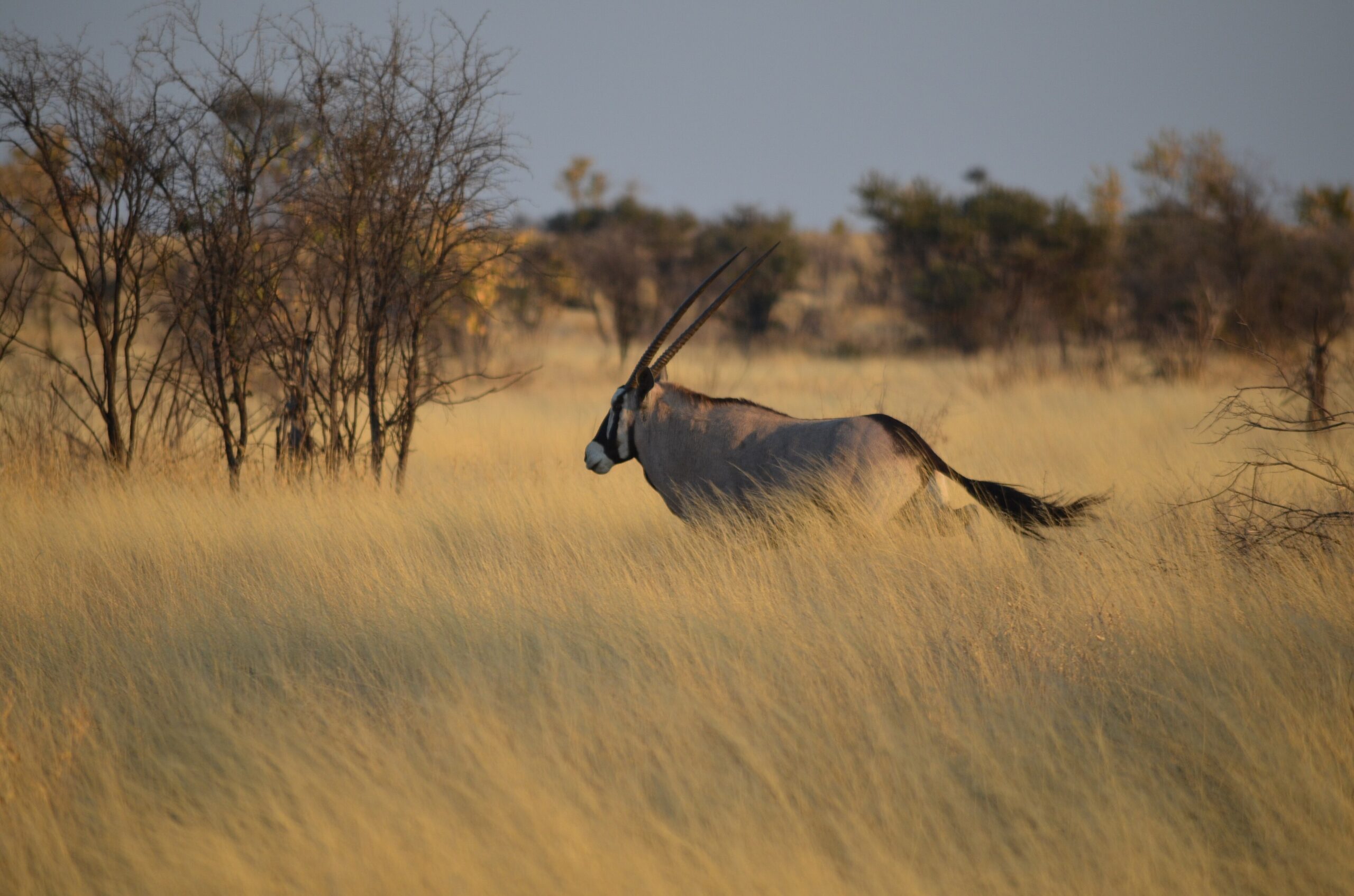
Kalahari regionAll parks and reservesA gemsbok running through tall golden grass in Botswana. Photo: Benjamin Hollis, CC BY 2.0, via Wikimedia Commons. Commons files this photograph under mammals of the Central Kalahari Game Reserve; the photographer’s own description records only the country, so we claim no more than that.
The Central Kalahari Game Reserve is the largest protected area in Botswana and one of the largest anywhere. It is also the one people most often underestimate. There is no river here, no delta and no permanent water; what there is, in the right months, is grass to the horizon and the animals that follow it.
- Where
- Central Botswana, between the Boteti in the north-east and Khutse in the south
- Area
- 52,800 km² (Botswana Tourism Organisation)
- Established
- 1961
- Gates
- Matswere in the east; Xade and Tsau on the far side
- Best for
- Wet-season grassland game, Deception Valley, distance from everything
- Vehicle
- 4×4 essential, fully self-sufficient
How big the Central Kalahari Game Reserve actually is
Botswana Tourism gives the Central Kalahari Game Reserve 52,800 km² and describes it as the largest and most remotely situated reserve in Southern Africa, and the second largest wildlife reserve in the world.
Numbers that size stop meaning anything, so here is one that does: the Central Kalahari Game Reserve is bigger than Denmark. It has three gates. Plan on no fuel, no supplies and no reliable mobile signal inside the boundary, and on a full day of driving between one gate and another. Every planning decision on this page follows from that.
Why the reserve exists
Botswana Tourism states that the Central Kalahari Game Reserve was initially established in 1961 to serve as a sanctuary for the San people in the heart of the Kalahari. That is an unusual founding purpose for a protected area, and it is the single most important thing to know about this place.
The tourism authority also lists nature walks with the Basarwa and culture-based dances among the activities available, and describes the reserve as providing space for traditional lifeways.
The relationship between the reserve and its residents has been the subject of long-running legal and political dispute in Botswana. We are not going to summarise that from a tourism page. When we can source it properly, from court records and primary reporting rather than marketing copy, we will write it up and link it here. Until then, treat any confident one-paragraph version of this history — including a cheerful one — with suspicion.
Reading a reserve this size on a map
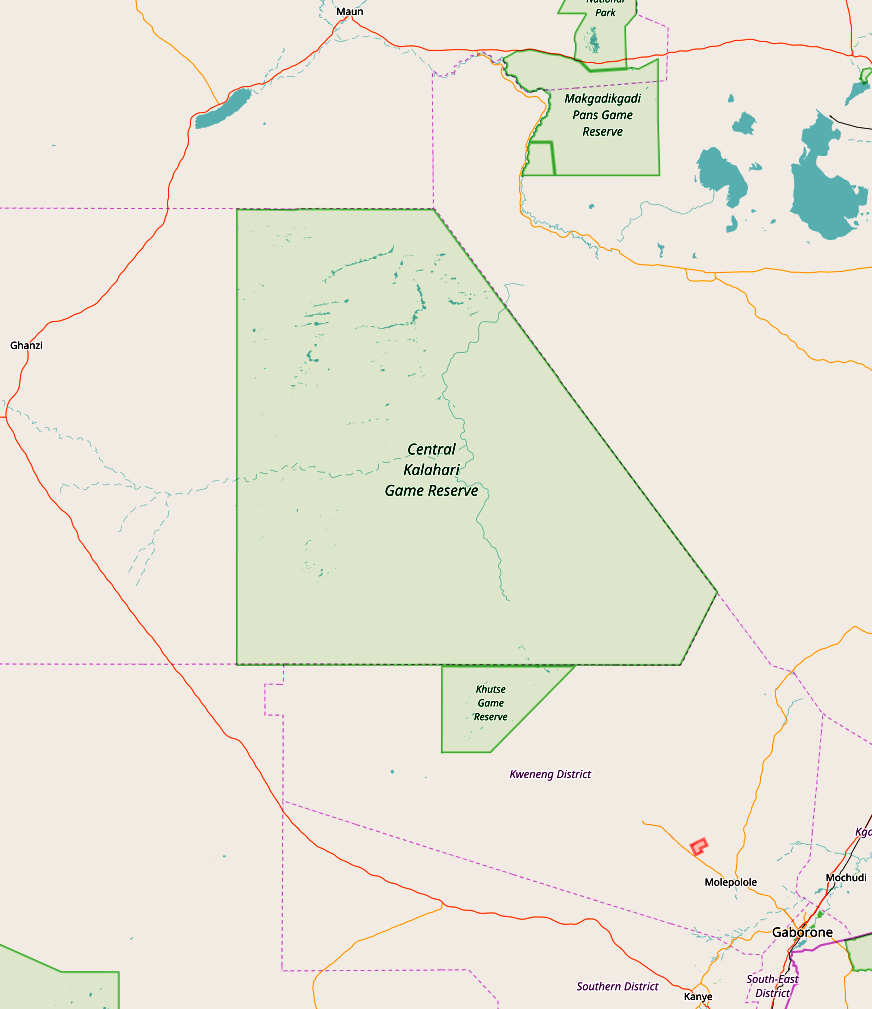
Three things on that map do more planning work than any paragraph. The reserve occupies the middle of the country rather than a corner of it. Khutse Game Reserve sits directly against its southern boundary, which is why the two are so often treated as one trip from Gaborone. And Maun, the town most northern itineraries run through, sits off its north-western shoulder rather than beside it.
The gates follow from that shape. Matswere is the eastern side, closest to Deception Valley and the shortest run from Maun. Xade and Tsau are on the far side, reached from the west — the approach that makes Ghanzi the practical staging town for this reserve. Nothing about the Central Kalahari Game Reserve is a short detour from anywhere.
What the country looks like
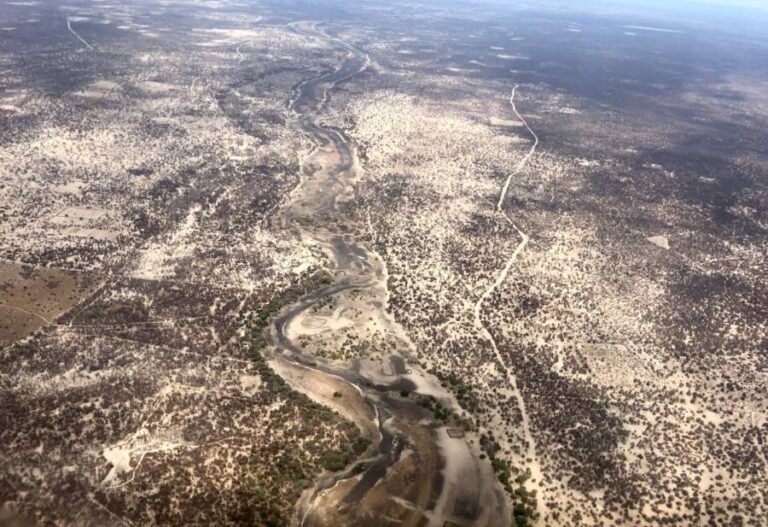
Botswana Tourism describes waist-high golden grasses stretching to the horizon, punctuated by dwarfed trees and scrub bushes. The dominant vegetation it names is Silver Terminalia sand veldt, Kalahari sand acacias and Kalahari apple leaf, over grassland dotted with occasional dunes, pans and shallow fossil river valleys.
Two words in that description do the heavy lifting. Fossil means the valleys carried water long ago and do not now. Pans here are shallow depressions that hold water for days or weeks after rain, not the salt sheets of the Makgadikgadi. Neither is a water source you can plan around.
Deception Valley
Deception Valley is a fossil river valley in the north of the reserve and the part of the Central Kalahari Game Reserve most visitors actually see. Botswana Tourism describes dense concentrations of herbivores there and calls it one of the most travelled areas, with many public campsites.
That combination — the best game and the most campsites — is worth reading as a warning as well as a recommendation. If you want the reserve at its emptiest, Deception Valley in the wet season is not where you will find it. If you have limited time and one shot at seeing why people come here, it is exactly where you should be.
Wildlife in the Central Kalahari Game Reserve
Botswana Tourism is precise about the timing: during and shortly after good summer rains, the flat grasslands of the reserve’s northern reaches teem with wildlife. It names large herds of springbok and gemsbok, along with wildebeest, hartebeest, eland and giraffe.
Gemsbok are the animal this country is built around. They handle heat and distance from water better than almost anything else on the plain, and they are the species you are most likely to see on a bad day as well as a good one.
Note what the wording does not promise. The herds are tied to rain that may not come, and to the northern part of a reserve the size of a small country. A dry-season drive across the middle of the Central Kalahari Game Reserve can be a long way between sightings, and that is normal rather than bad luck.
When to visit the Central Kalahari Game Reserve
The wet season is the answer, with the same conditional attached to everything else in this part of Botswana. Rain falls almost entirely in summer and peaks in January and February; winter accounts for less than ten per cent of the annual total.
Summer is also when the reserve is least comfortable. National figures put shade temperatures at 38 °C and above, occasionally reaching 44 °C, and there is no river to sit beside at midday. Winter reverses it: cold nights, frost inland, thin game, and the clearest skies of the year.
We set the seasons out in full, with the trade-offs against Chobe and the Okavango, on when to visit Botswana.
The months with the best game are the months with the worst roads. Black cotton and wet sand both defeat vehicles that would cross the same ground in July without difficulty. Plan for the season you are actually travelling in.
What the Central Kalahari Game Reserve is not
Most first trips to Botswana are built around water. Chobe has a river, the Okavango has a delta, and the game viewing in both is organised around animals coming to drink. None of that applies here.
There are no boat trips, no mokoro, and no permanent water to sit beside at last light. There is no lodge strip, no gate shop worth the name, and no realistic prospect of changing your mind halfway through and driving somewhere better. The reserve rewards people who wanted exactly this and disappoints people who wanted a Botswana greatest-hits day.
It is also not a guaranteed big-cat destination. Botswana Tourism’s own description of the wildlife here leads with herds — springbok, gemsbok, wildebeest, hartebeest, eland and giraffe — rather than with predators, and the honest framing is that you come for grassland, space and the animals that live on open ground.
Fees and bookings
Park fees and campsite bookings in Botswana are administered separately from the parks themselves, and the amounts change. We do not publish figures we cannot keep current. The structure — who charges what, and which categories of land it applies to — is set out on our parks and reserves page, and campsites inside the Central Kalahari Game Reserve should be booked before you leave rather than on arrival at the gate.
Gates, access and what you need to drive
Botswana Tourism names Matswere Gate on the eastern side, with Xade and Tsau gates on the far side of the reserve. Matswere is the one most itineraries use, because it is the closest to Deception Valley and the shortest run from Maun.
Which gate you choose is not a detail. The Central Kalahari Game Reserve is 52,800 km² and the gates are on opposite sides of it, so entering at the wrong one can add a day of driving to a trip. Decide the gate before you book the campsites, not after.
Everything inside is sand. The requirement is a properly equipped 4×4 with high clearance and low range, travelling with recovery gear, spare fuel and water for longer than you plan to be out. What properly equipped means in practice is set out on our 4×4 and vehicle requirements page.
This is the reserve where self-sufficiency stops being advice and becomes the plan. Two vehicles travelling together is the conventional rule for the remoter routes, and the reserve is large enough that help is measured in days rather than hours. If that reads as excessive for your trip, take the Deception Valley end from Matswere and leave the crossing to Xade for another year.
Khutse Game Reserve, on the southern boundary
Khutse adjoins the Central Kalahari Game Reserve at its southern end and is the practical way into this country from Gaborone rather than Maun. It is far smaller, far closer to a city, and it is the reason a Kalahari trip does not have to start with a flight to the north. We cover it on Khutse Game Reserve.
Where to stay
Accommodation divides between public campsites inside the reserve — Botswana Tourism notes many of them around Deception Valley — and private camps on concession land. There is no lodge strip and no walk-up option: campsites are booked in advance and the reserve is not a place to arrive without one. We publish no rates, no availability and no ratings of our own; start at accommodation in Botswana.
Properties we have checked in the Kalahari
The camp inside the Central Kalahari, the private reserves on its edge, and the Ghanzi road stops.
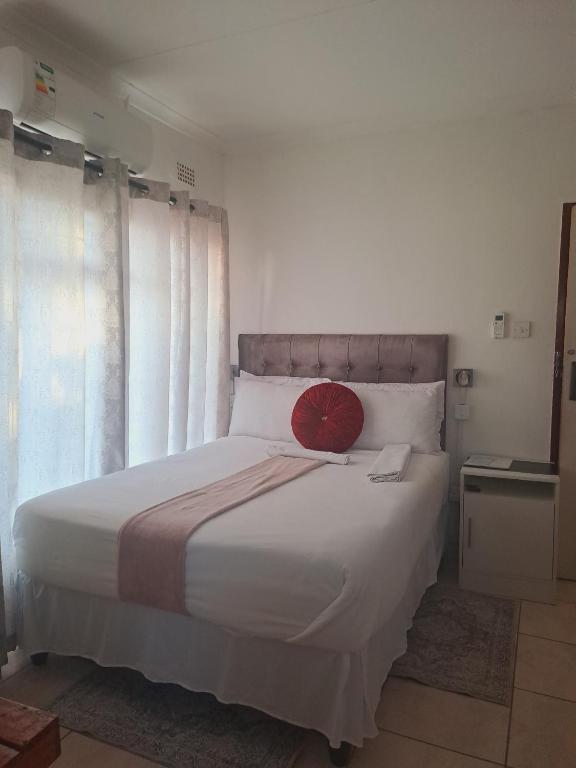
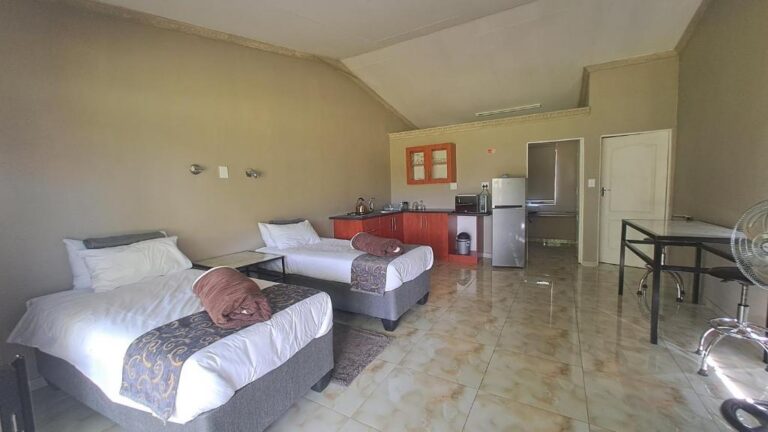
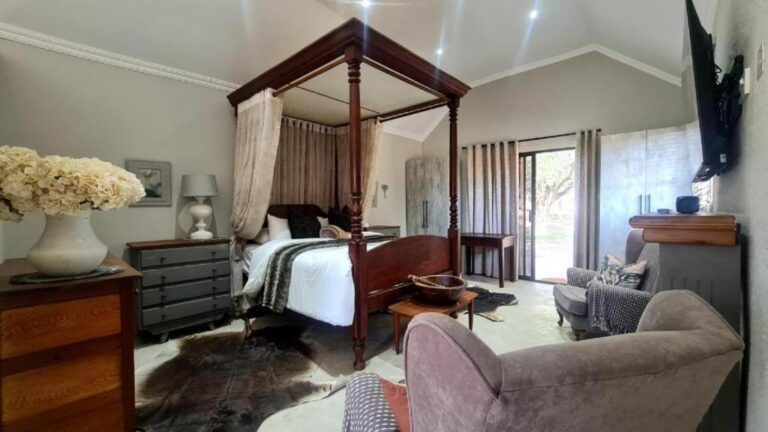
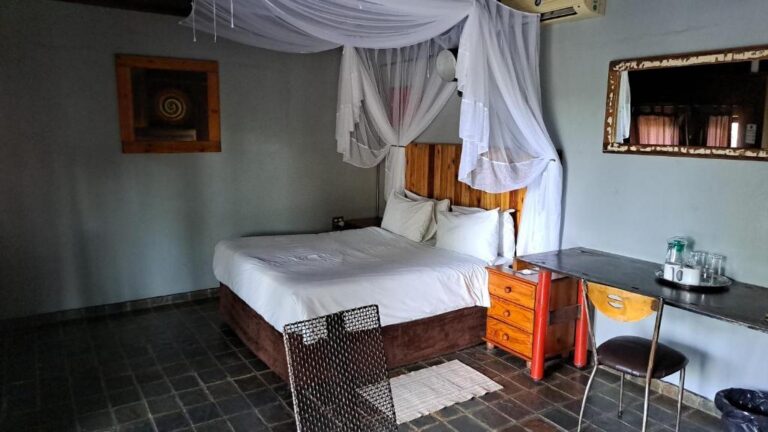
View all 20 Ghanzi and the Kalahari propertiesAll Ghanzi and Kalahari accommodation
Every card opens our own property page first. We publish no rates, no availability and no ratings of our own.
Guided Central Kalahari trips
Multi-day safaris we list that run into the CKGR, where self-drive is demanding.

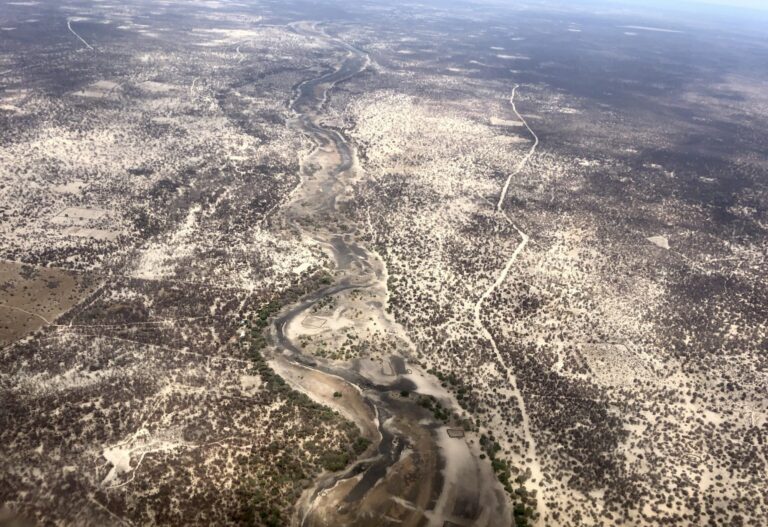
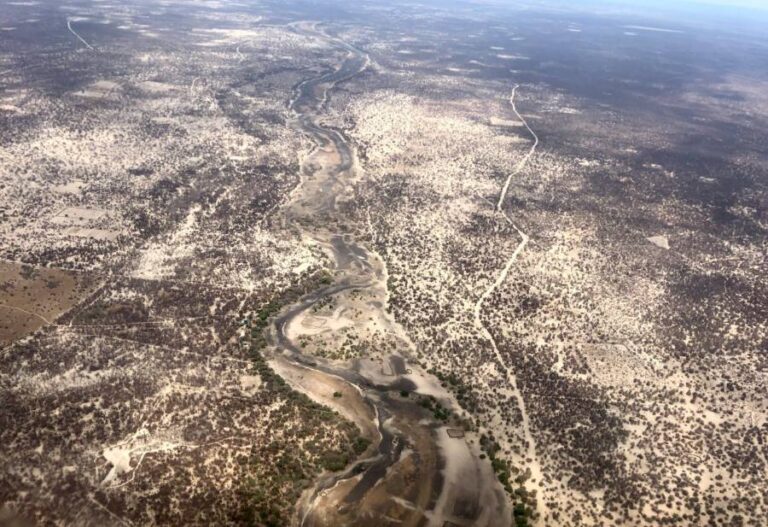
Every card opens our own tour page first. Booking happens on the operator’s site, where the live price and availability are.
Beds before and after the reserve are at Ghanzi on the western side and Gaborone on the southern approach. Camping is the only way to stay inside the reserve. Camping in Botswana sets out who runs the sites here, how they are booked, and why camping must be settled before park fees. The western approach runs through Ghanzi — see accommodation in Ghanzi.
Sources and references
- Botswana Tourism Organisation — Central Kalahari Game Reserve (area, 1961 establishment and purpose, gates, Deception Valley, wildlife, vegetation, activities)
- Botswana Tourism Organisation — Climate (seasons, temperatures, rainfall distribution)
- List of protected areas of Botswana (designation as a game reserve)
Reviewed August 2026. Reserve areas, gate arrangements and booking rules change; if something here is out of date, tell us.
Plan the rest of your trip
The Central Kalahari Game Reserve is a commitment, not a stop. These are the pages that decide whether it fits your trip.
The wider region, what the sand actually is, and how the reserves fit together.
Open →Khutse Game ReserveThe southern neighbour, and the way into this country from Gaborone.
Open →4×4 and vehicle requirementsSand, recovery gear and what “properly equipped” means before you leave the tar.
Open →Botswana 21 day itineraryThe only length at which this reserve fits properly.
Open →Distance is the whole point.
People come to the Central Kalahari Game Reserve for emptiness and then plan it like a park with a gate shop. Decide the season, the gate and the vehicle first.
When to visit BotswanaAll parks and reservesKgalagadi Transfrontier ParkThe other Kalahari park, shared with South Africa, and the two-vehicle rule that governs the Botswana side.
Open →