
Camping in Botswana
Botswana is one of the few countries where camping is not the budget option — it is the way into places no lodge can reach. Here is where camping is realistic, how the three different systems work, and what booking one actually involves.
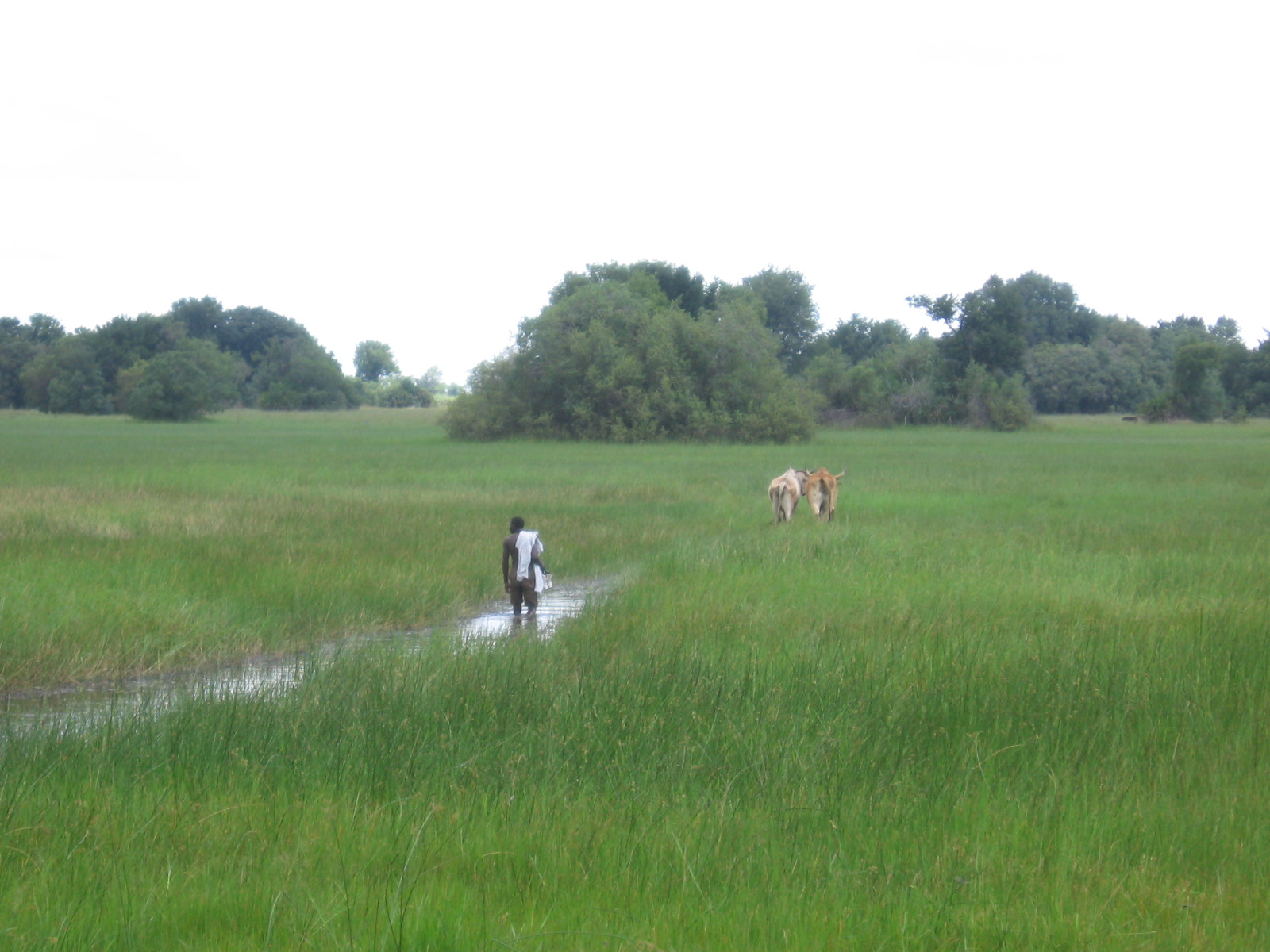
Browse every town archiveSelf-drive BotswanaMbiroba Camp, run by the Okavango Community Trust at Seronga. Photo: Parakh Hoon, CC BY-SA 3.0, via Wikimedia Commons.
The short answer
Camping in Botswana is really three different things, and confusing them is the single most common planning error.
Public campsites inside national parks and reserves are how self-drivers reach Moremi, Savuti, Nxai Pan and the Central Kalahari. They are unfenced, basic, booked months ahead through several different operators, and separate from park entry fees.
Private and community campsites sit on the edges of the parks and along the rivers, usually attached to a lodge. They have ablutions, sometimes power, often a bar, and you can generally book them at shorter notice.
Town and route campsites are the ones nobody writes about and almost every self-drive trip uses: a pitch at Maun, Nata, Ghanzi, Kasane or Gweta, on the way to somewhere else.
Of the 826 properties in our register, 44 offer camping — as pure campsites, as lodges and chalet properties with a campsite alongside, or as hotels running pitches on the same plot. They are spread across all seven of our regions. That is a very different picture from the handful of dedicated campsites a quick search suggests.
In this guide
- Camping in Botswana’s parks and reserves
- Private and community campsites
- Town and route campsites
- What our register actually holds
- How to actually find them in the catalogue
- What camping in Botswana means for a self-drive plan
- Booking and fees
- When to go camping in Botswana
Camping in Botswana’s parks and reserves
This is the camping in Botswana that the country is famous for, and it comes with rules that are not obvious from outside.
The public campsites inside the parks are not run by one body. The Department of Wildlife and National Parks operates some of them directly; others are run by private concessionaires who won the site. In Moremi, South Gate and Xakanaxa, Third Bridge, and North Gate at Khwai are between three different operators. In Chobe, Ihaha on the riverfront and Savuti and Linyanti inland are split between two. The Central Kalahari has DWNP gate camps and pan sites alongside a further set run by a concessionaire, and Nxai Pan and the Makgadikgadi are split the same way, with Baines’ Baobabs, South Camp, Khumaga, Njuca Hills and Tree Island between them.
The practical consequence: you book camping with the operator of that specific site, and you settle park entry fees separately. There is no single website. Our parks and reserves hub sets out the fee structure — a daily entry fee per person, a daily vehicle fee, and a per-person camping fee per night.
What park camping is actually like: no fence, no shop, no fuel, usually no signal, and ablutions that range from decent to a long-drop. Animals move through camp. That is the arrangement rather than a failure of it, and it is why the sites are worth the effort.
Private and community campsites
Just outside the park boundaries, and along the Okavango panhandle and the Chobe, a second layer exists: campsites attached to lodges, and campsites run by community trusts.
The lodge-attached ones are the practical backbone of a self-drive trip. You get a pitch, hot water, somewhere to charge a battery and often a restaurant, at a fraction of the room rate, and you can usually book them weeks rather than months ahead. Several of the larger Maun and Kasane properties in our register run exactly this arrangement.
The community trust camps are a different proposition again. The Okavango Community Trust runs Mbiroba Camp at Seronga in the panhandle; there are others attached to trusts across the north and the Kalahari, including San-owned lodges in the Ghanzi area. These are usually the least crowded camping in the country and the closest thing to travelling somewhere that has not been packaged.
Town and route campsites
The underrated category. Almost every long self-drive itinerary in Botswana needs a night at a junction town, and the campsite is usually the best-value option there.
- Maun has the largest concentration in the country: riverside camps along the Thamalakane used by almost every self-drive party heading into Moremi, plus backpacker properties running pitches alongside rooms.
- Nata and Gweta sit on the A3 between Maun and the A33, which makes them the natural break on the tar route to Kasane.
- Kasane and Kazungula have riverside camping within reach of the Chobe gate and the borders.
- Ghanzi is the stop on the Trans-Kalahari route in from Namibia, and its camping is largely lodge-attached.
- Gaborone and the south-east have camping at the reserves rather than in the city — Mokolodi being the obvious one.
What our register actually holds
Camping-capable properties in our register, by region:
| Region | Camping-capable | Browse |
|---|---|---|
| Maun | 11 | Accommodation in Maun |
| Okavango Delta | 8 | Okavango Delta stays |
| Chobe and Kasane | 6 | Chobe and Kasane stays |
| Eastern Botswana | 5 | Eastern Botswana stays |
| Makgadikgadi and Nata | 6 | Makgadikgadi and Nata stays |
| Ghanzi and the Kalahari | 4 | Ghanzi and Kalahari stays |
| Gaborone and the south-east | 4 | Gaborone and south-east stays |
Only seven of those are registered purely as campsites. The rest are chalet properties, lodges, tented camps, guesthouses and hotels that run camping alongside rooms — which is why a search for “campsites in Botswana” badly understates what is available. If you are camping, the useful question is not “where are the campsites” but “which properties in this town take tents”.
Camping and lodges in Maun
The largest concentration of camping-capable properties in the country, along the Thamalakane and around town.
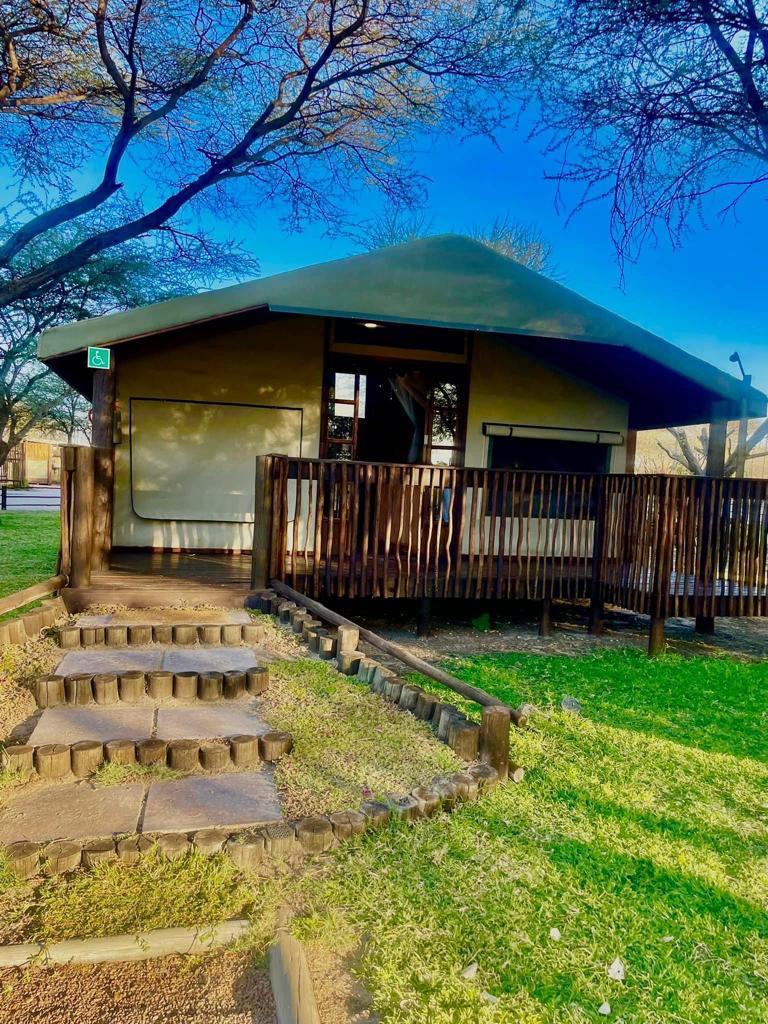
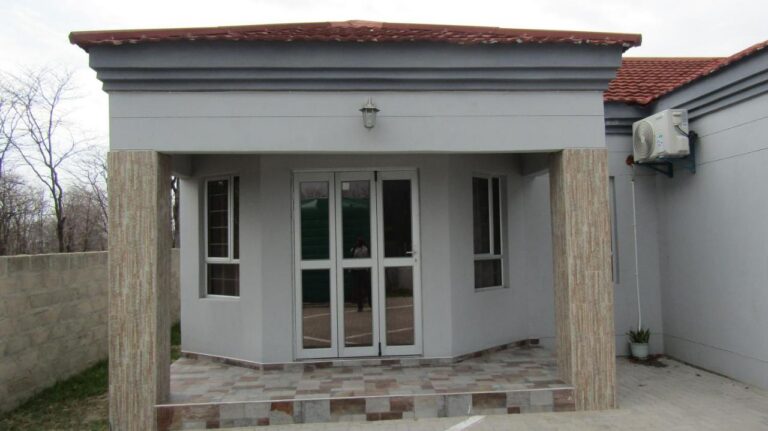
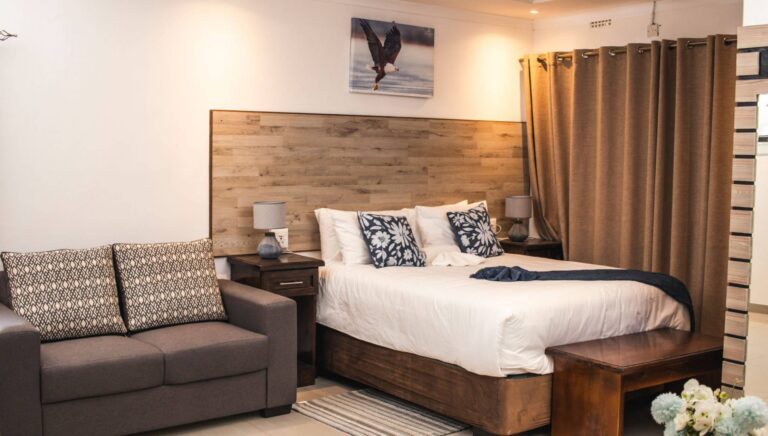
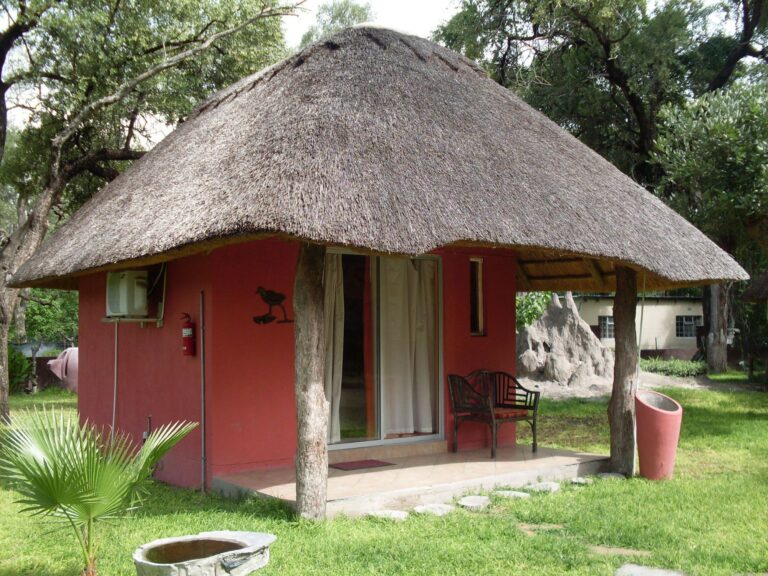
Every card opens our own property page first. We publish no rates, no availability and no ratings of our own.
How to actually find them in the catalogue
There is no single “camping” button on this site, and we have deliberately not invented one: camping in Botswana is a facility that sits inside several different licence classes, not a class of its own. Three browse paths get you to it.
- The campsite archive holds the properties registered purely as campsites. It is the shortest list and the most obvious starting point.
- The lodge, tented camp, self-catering and even hotel archives hold the hybrids — properties that run a campsite alongside their rooms. On every property page we list, the Property type line in Quick facts is where that is stated: anything reading “Chalets and Campsite”, “Lodge and Campsite” or “Tented Camp and Campsite” takes tents.
- The town archives in the table above are the fastest route if you already know where you need to be on a given night, which on a self-drive route is usually the real question.
Public campsites inside the parks are the exception to all three: they are not bookable through a property listing at all, and are covered in the section above.
What camping in Botswana means for a self-drive plan
Camping in Botswana is not an accommodation choice so much as a routing choice. It determines where you can be at nightfall, and in the parks that is a hard constraint rather than a preference.
- You may not drive in the parks at night. Your campsite booking effectively sets your daily driving limit.
- Gate hours end the day. Arriving after closing is a serious problem, not an inconvenience.
- Fuel and water are the real planning variables. Botswana Tourism’s advice for remote-area self-drive is on the order of 100 litres of fuel and 20 litres of water per person. Our 4×4 requirements page covers the rest of the equipment picture.
- The park speed limit is 40 km/h, so plan distances on time rather than kilometres.
- Booking order matters. Camping is booked first, park fees after. Build the itinerary around which sites you actually secured, not the one you wanted.
The route where all of this comes together is the northern crossing: Maun to Kasane through Moremi and Savuti, which is a camping trip rather than a drive.
Booking and fees
For park sites, expect to book months ahead for the dry season, and to make several separate bookings across different operators for a single itinerary. Camping fees and park fees are charged separately, and the camping side is normally settled first.
For private and lodge-attached sites, booking direct is usually straightforward and lead times are much shorter. Every property in our register links to where it can actually be booked; we do not take bookings ourselves and we do not publish rates.
Fees and operators change. Our parks hub explains the structure of the charges rather than quoting figures, deliberately — published park fee tables go out of date quickly and there is no benefit in adding another stale one.
When to go camping in Botswana
The dry season, roughly May to October, is the best practical season for camping in Botswana: no rain, firm tracks, cold nights and concentrated game. It is also when the park sites are fully booked, which is the trade.
The green season, roughly December to March, brings heat, dramatic storms, insects and black cotton soil that turns some northern tracks into a genuine problem. Camping is entirely possible in the towns and at private sites; camping deep in the parks in a single vehicle is a different question. Our best time to visit guide sets out the seasonal picture in full.
Winter nights deserve a specific warning. Botswana in June and July can be close to freezing before dawn in the Kalahari and the northern parks, and a summer-weight sleeping bag is a miserable mistake to make once.
Plan the rest of your trip
- Parks and reserves — the four categories of protected area and how fees work.
- Moremi, Chobe, Central Kalahari, Nxai Pan and Makgadikgadi Pans.
- Self-drive Botswana, 4×4 requirements and Maun to Kasane.
- Accommodation in Botswana and every town archive.
- Best time to visit Botswana and itineraries.
Sources and references
- Botswana Tourism — self-drive and camping, for the fuel, water and equipment guidance
- Getaway — how to book campsites in Botswana’s national parks, for the concessionaire split across Moremi, Chobe, the Central Kalahari, Nxai Pan and the Makgadikgadi
- Wikimedia Commons, for the hero photograph and its licence
Campsite operators, fees and availability change, and park sites in particular have moved between concessionaires more than once. Confirm who runs a site before you send money, and treat the seasonal guidance here as a pattern rather than a guarantee.
Book the campsite, then build the trip.
In most countries you decide the route and then find somewhere to sleep. In Botswana’s parks it works the other way round: the sites you manage to secure decide where you can be each night, and everything else follows from that.