

Botswana Travel Guides
Field notes, seasonal updates, route and closure changes, and corrections published in public rather than edited away.
All destinationsPlan your tripDomboshaba hill, a granite outcrop in north-eastern Botswana. Photo: Mompati Dikunwane, CC BY-SA 4.0, via Wikimedia Commons.
The Botswana travel journal now contains practical, source-led articles on access conditions, route planning, wildlife, activities, accommodation and responsible travel. The newest articles appear below, followed by an explanation of the standards behind every post.
Latest articles
-
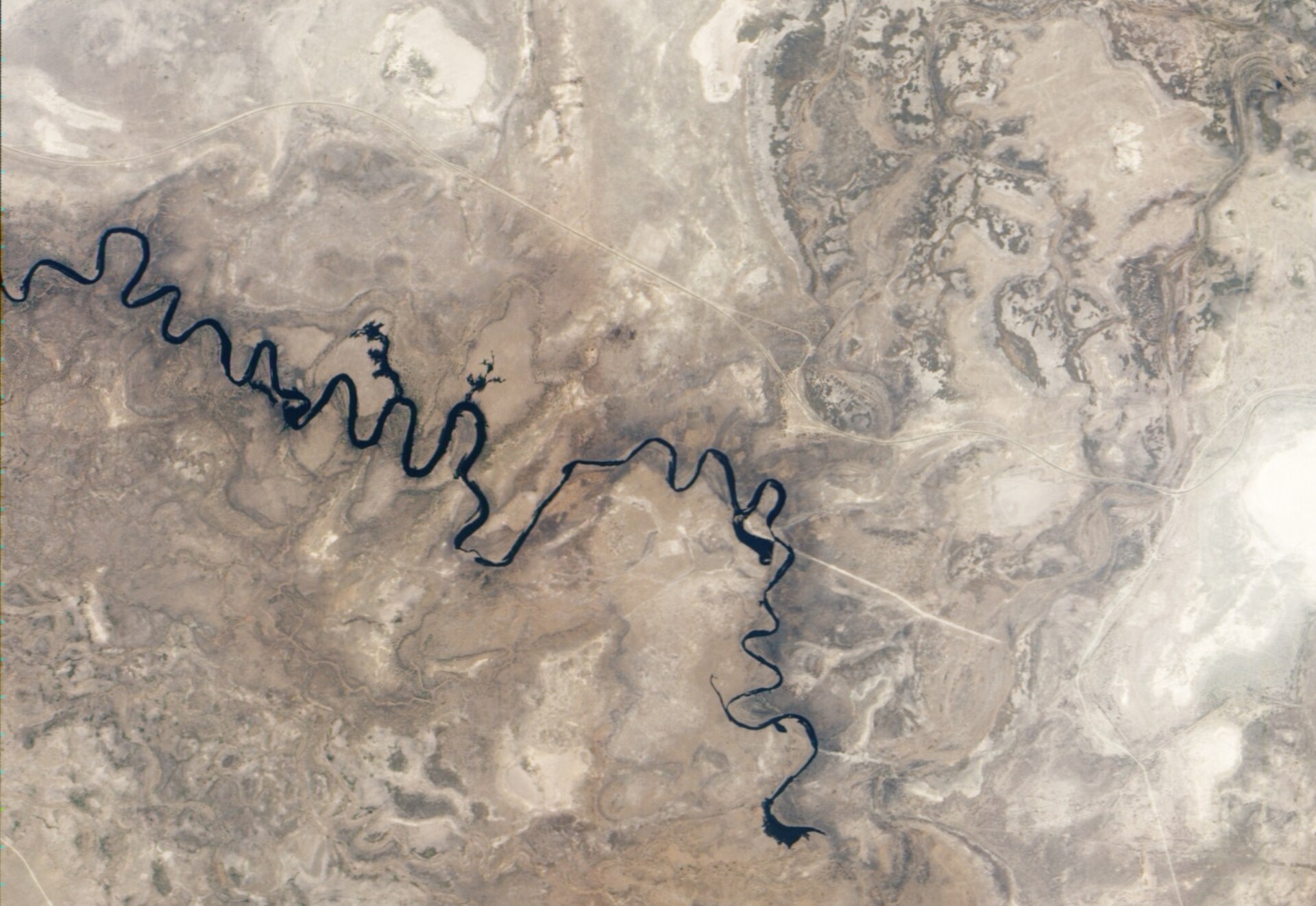
Boteti River: How to Plan a Focused Visit
A focused way to experience the Boteti without treating a long, variable river as a single attraction.
-

Moremi Bridges and Water Crossings: How to Check the Latest Status Before Leaving
A dated method for checking Moremi’s bridges, water crossings and approach roads before committing to a self-drive route.
-
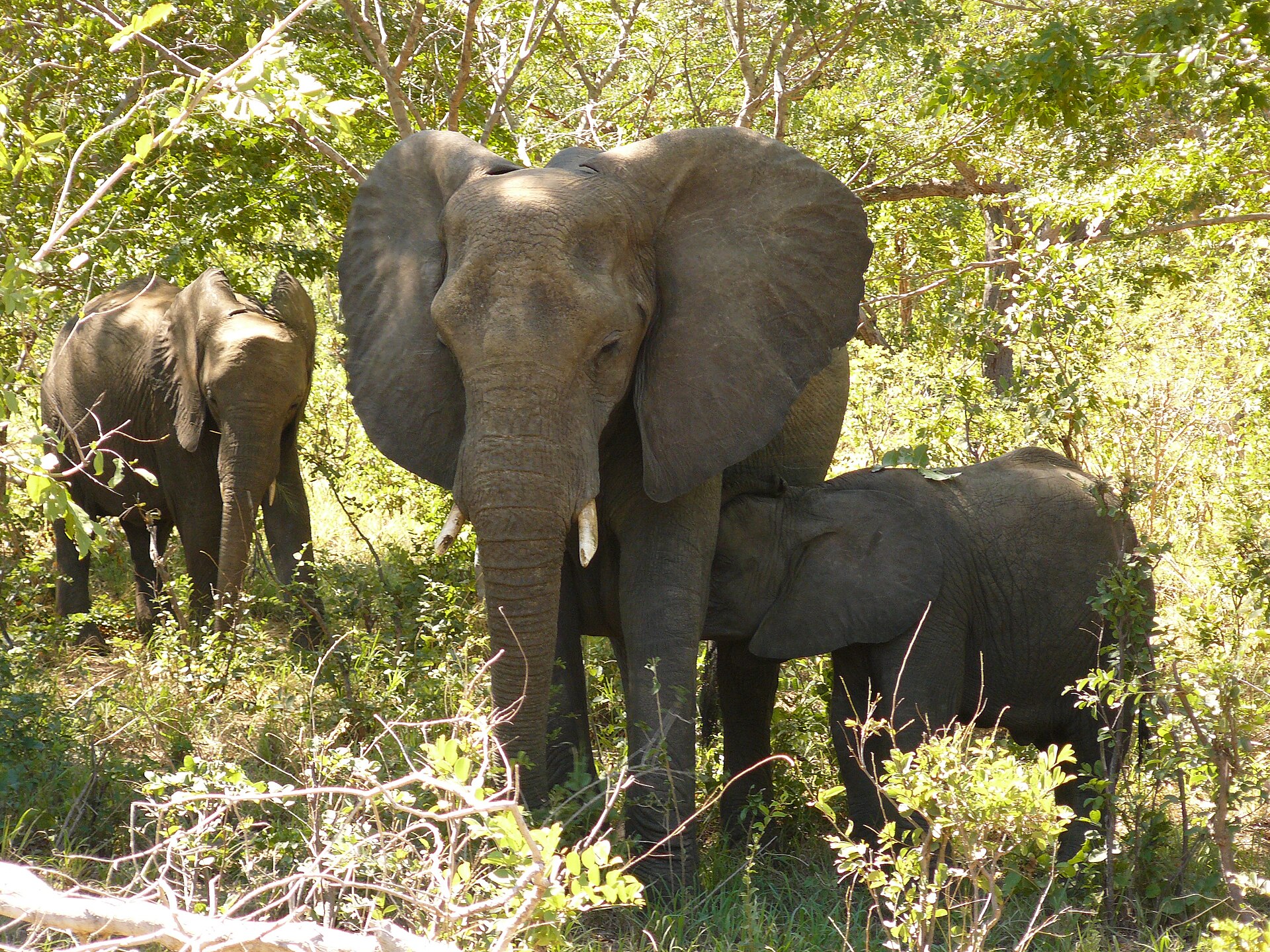
DWNP Park Entry: How the Booking Structure Actually Works
A practical explanation of the separate permissions, campsite operators and confirmations that sit behind Botswana park entry.
-

Mohembo Flood Readings: How to Read the Seasonal Signal
How to interpret Mohembo as an upstream signal without turning one gauge into a prediction for the whole Okavango Delta.
-
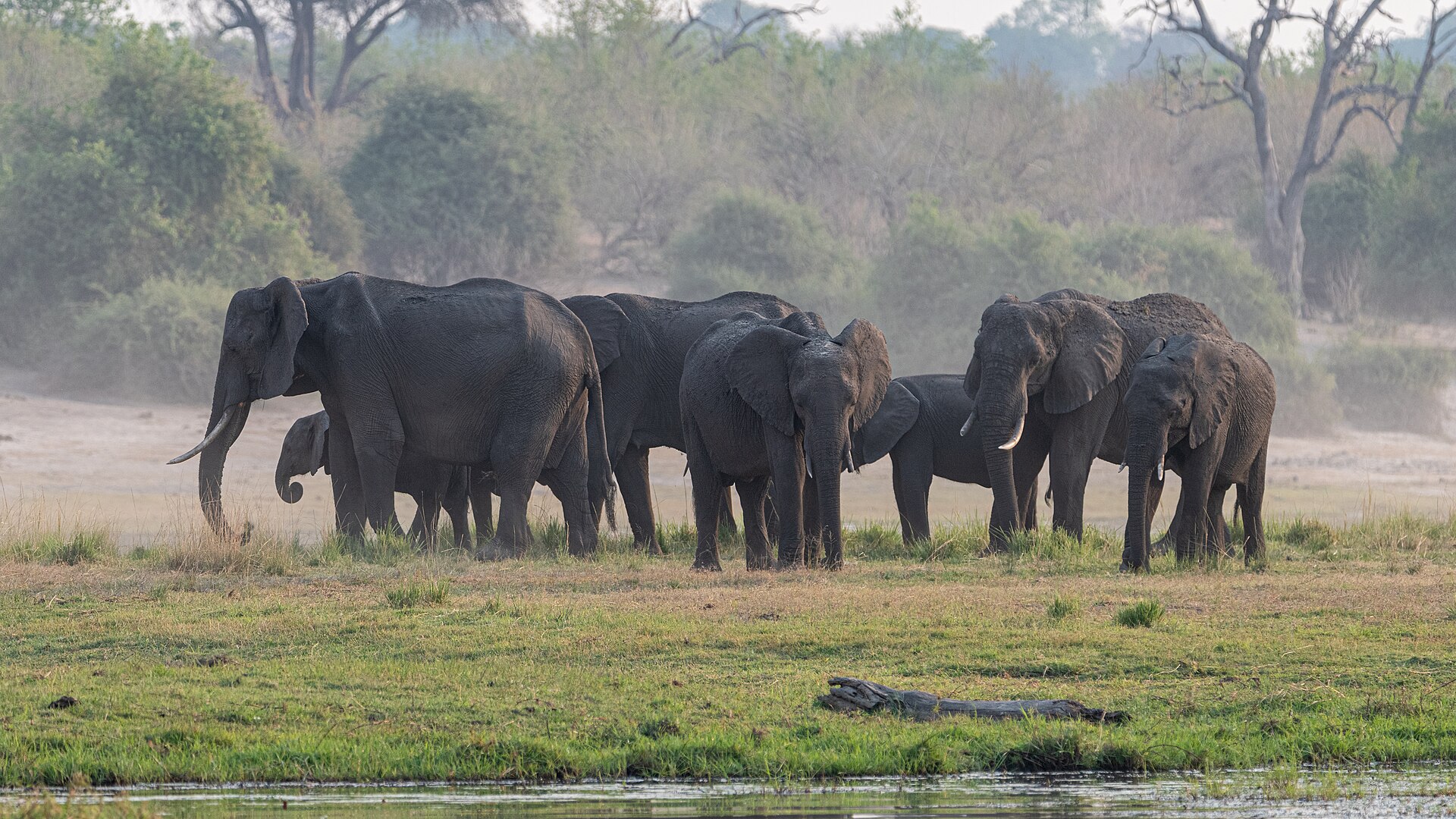
Chobe Riverfront Dry Season: What Changes Month by Month
A month-by-month reading of the Chobe Riverfront’s dry season, including what changes and what never becomes guaranteed.
-

Moremi or Khwai: Which Choice Fits the Trip
A practical comparison of Moremi Game Reserve and the Khwai area, focused on rules, access, activities and the shape of the trip.
-
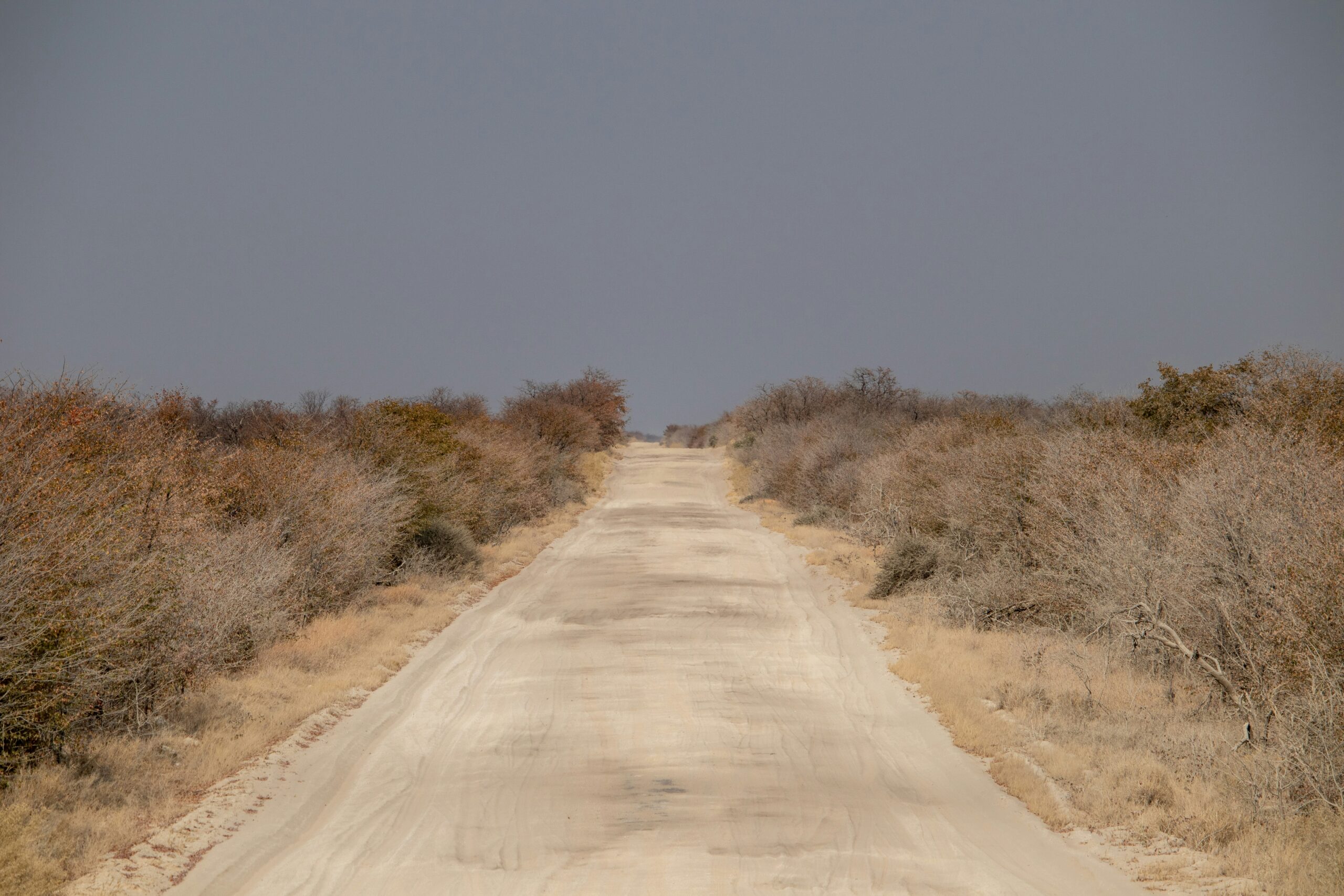
Deception Valley: How to Plan the Route Without Underestimating It
The route-planning decisions that matter before a self-drive journey into Deception Valley and the Central Kalahari.
-
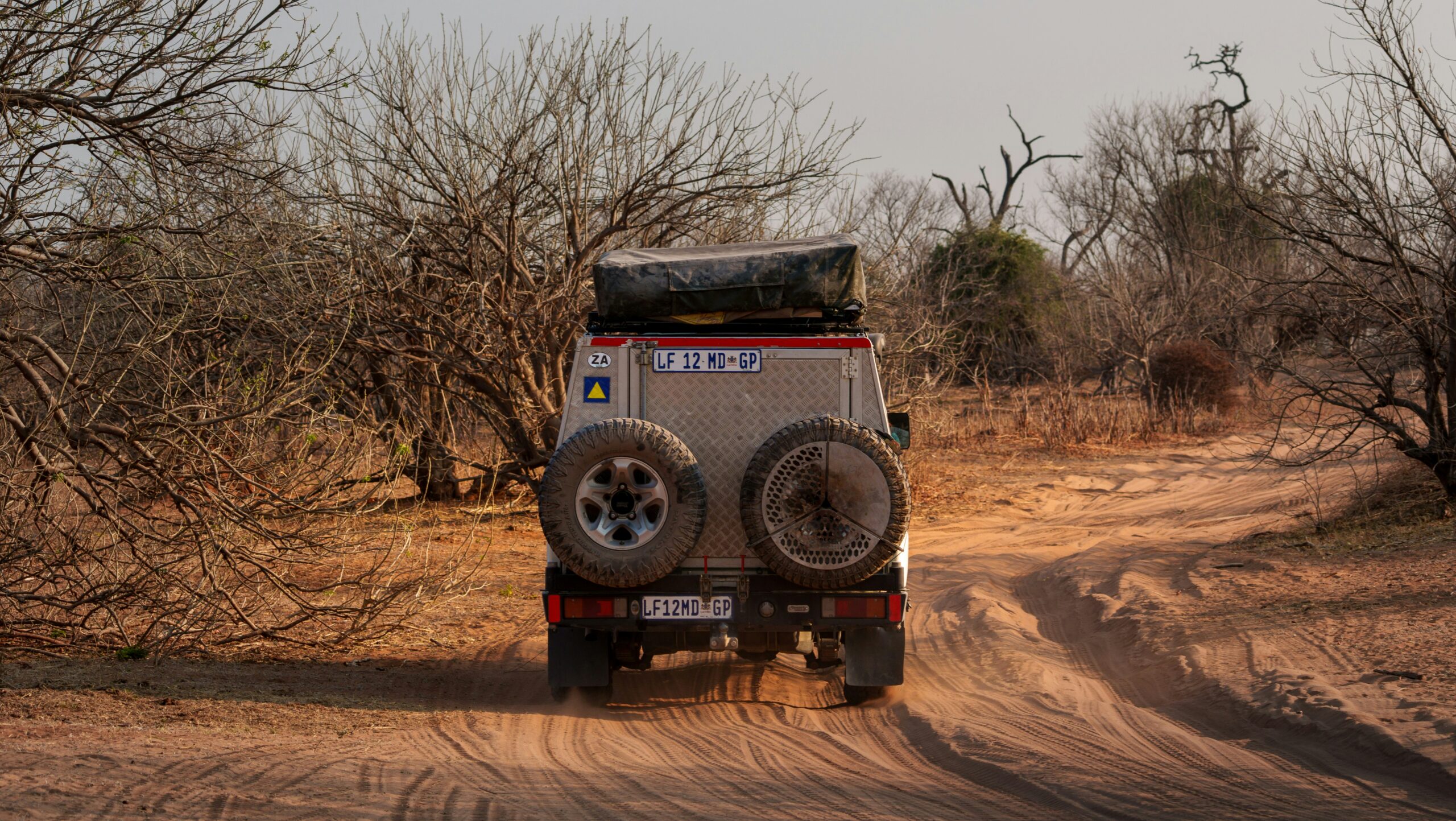
Deep Sand Driving: What a First-Time Driver Should Understand
A calm, practical introduction to deep-sand driving for Botswana self-drivers, including recovery limits and rental-company rules.
-
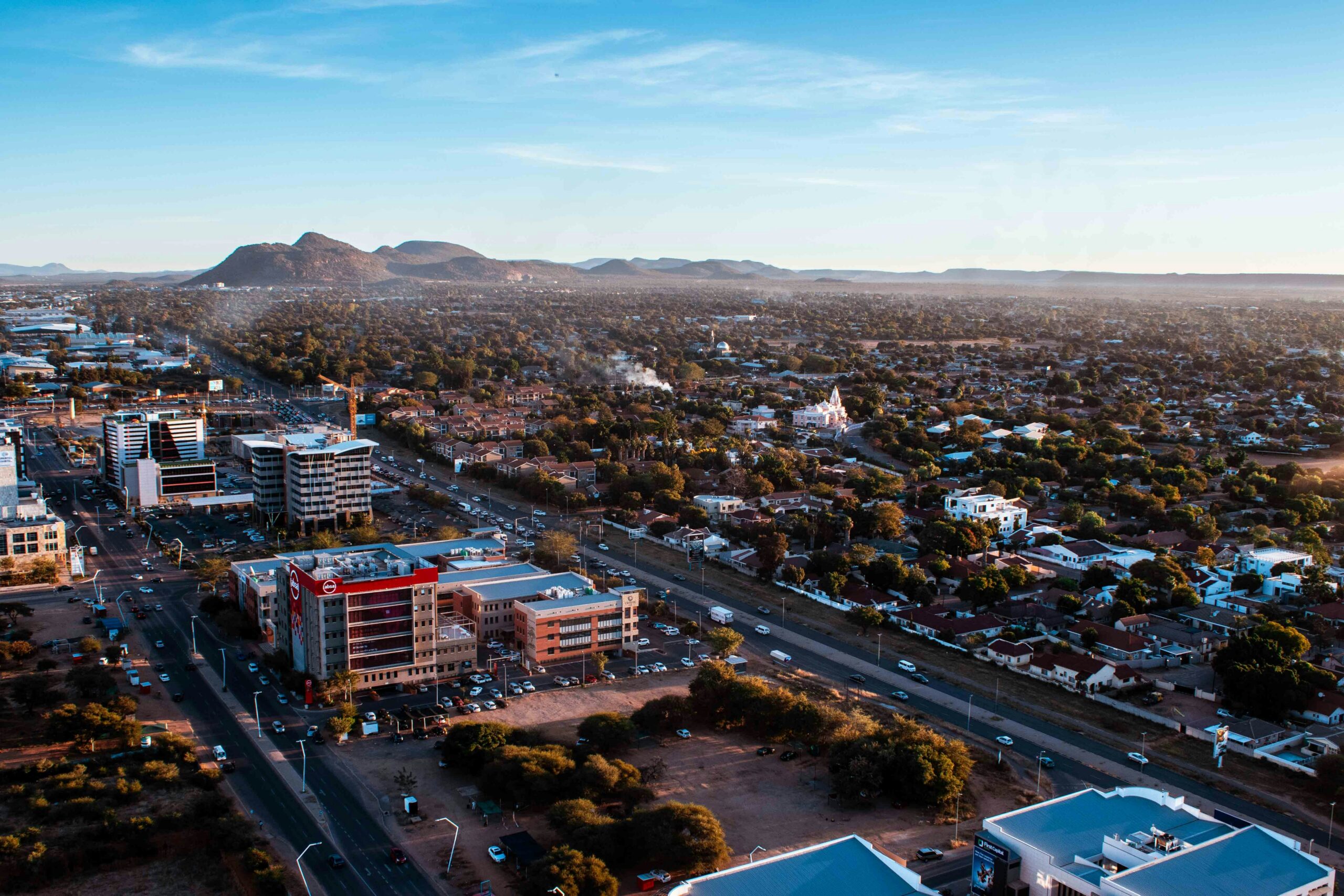
Gaborone to Maun via Ghanzi: The Travel Day That Actually Works
A realistic approach to the long road between Gaborone and Maun via Ghanzi, with timing, fuel and fatigue in view.
-
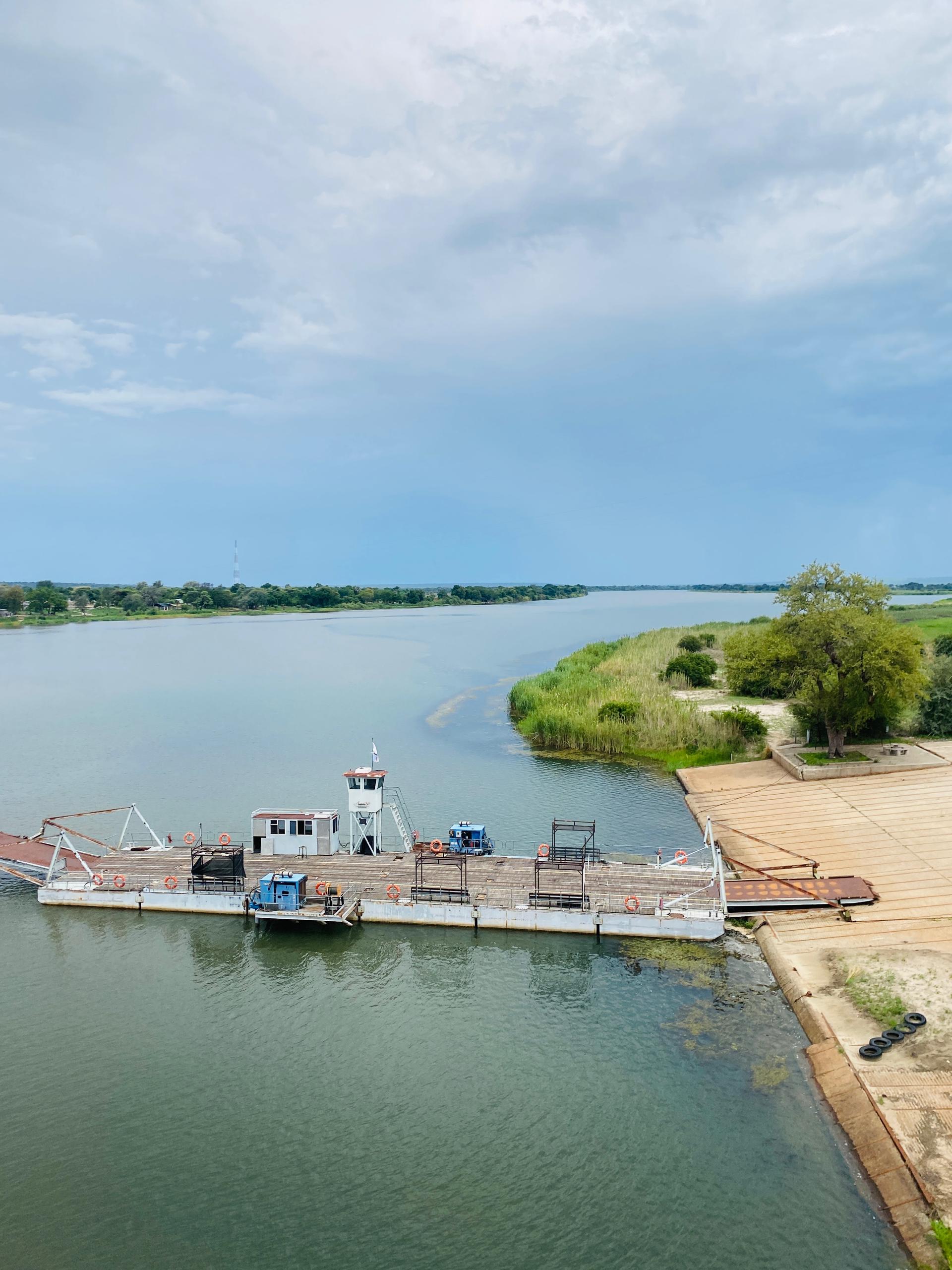
Kazungula Crossing: Documents and Timing for Travellers
A document-by-document guide to crossing at Kazungula, with special attention to foreign vehicles and changing border procedures.
-
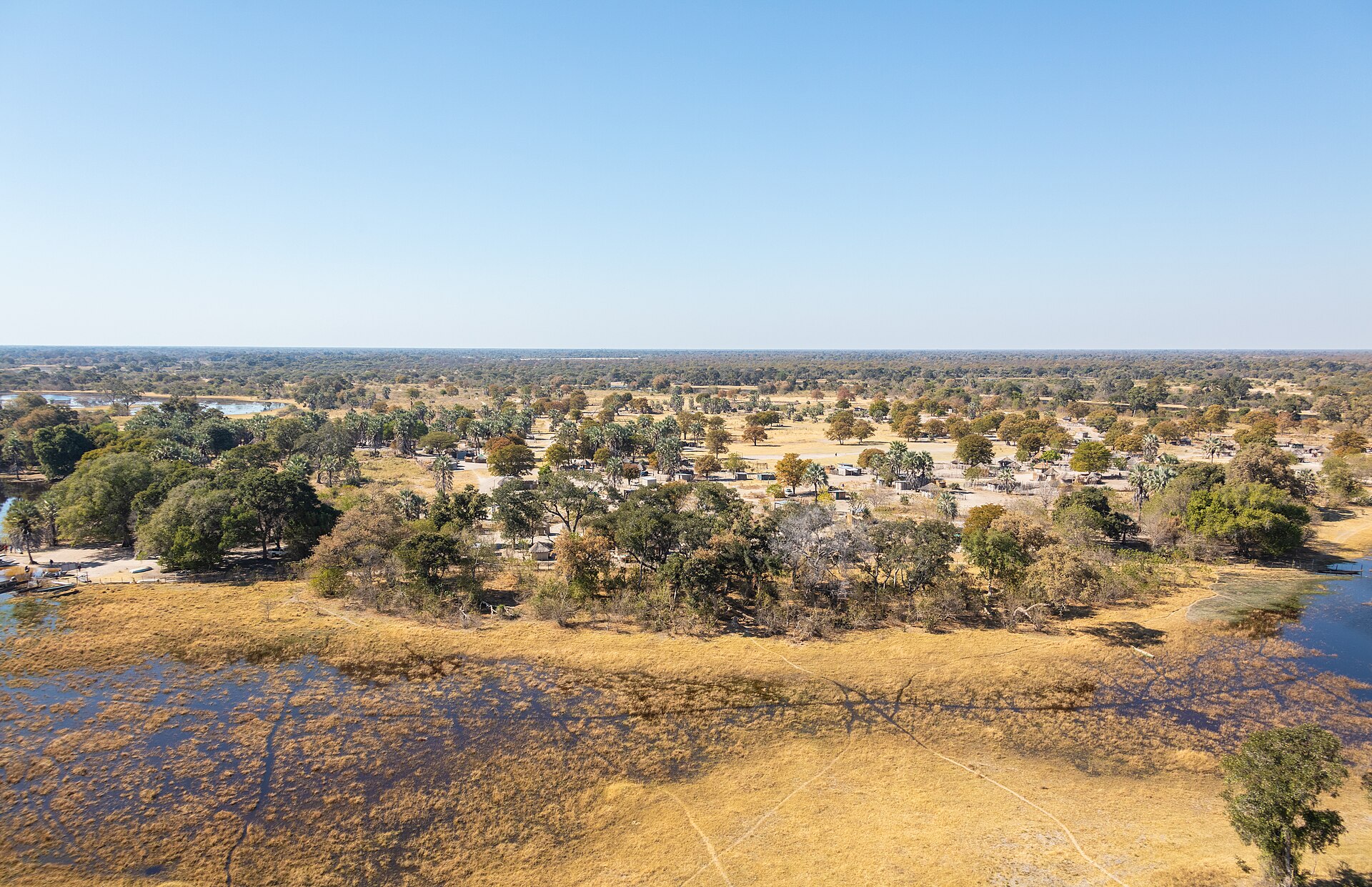
Okavango and Chobe: How to Add the Second Region Without Rushing
A practical structure for combining Botswana’s Okavango and Chobe regions without losing the trip to transfers.
-
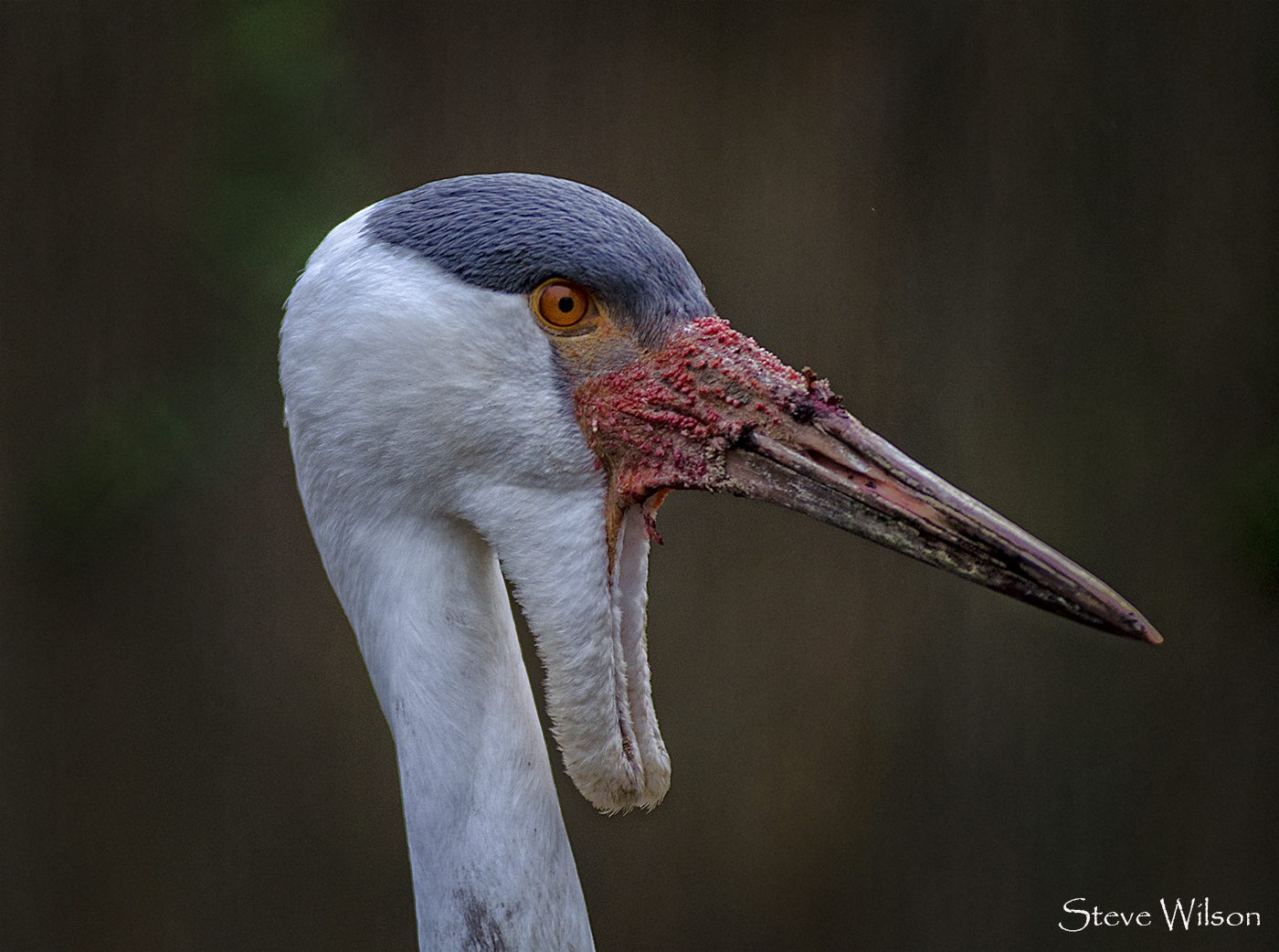
Wattled Cranes: Where Habitat and Season Overlap
A habitat-led guide to finding wattled cranes in Botswana without presenting a rare bird as a guaranteed sighting.
-
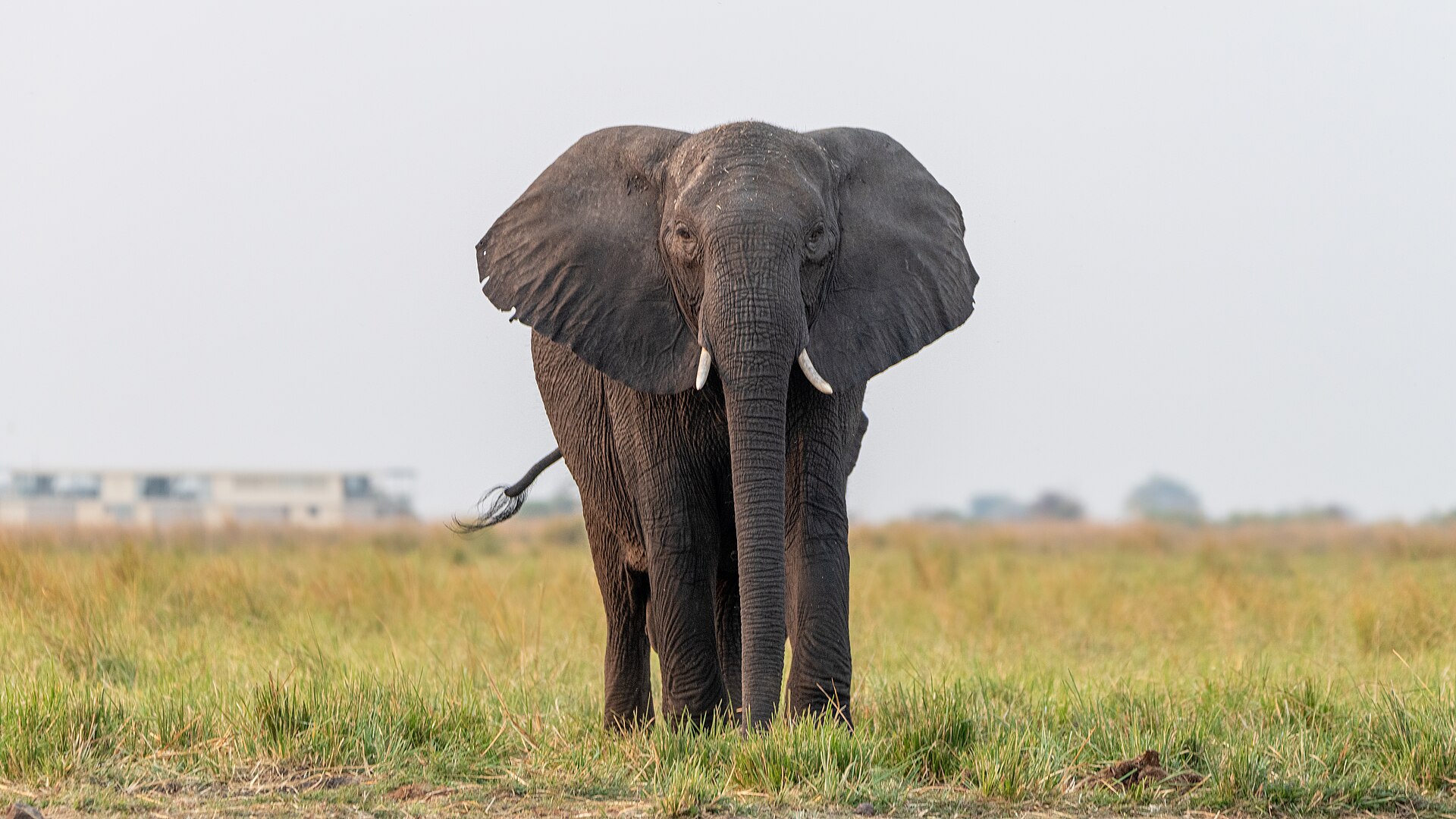
The ‘Big Five’ in Botswana: Where the Claim Comes From
A source-led look at the Big Five label in Botswana and the gap between national presence and an individual traveller’s odds.
-
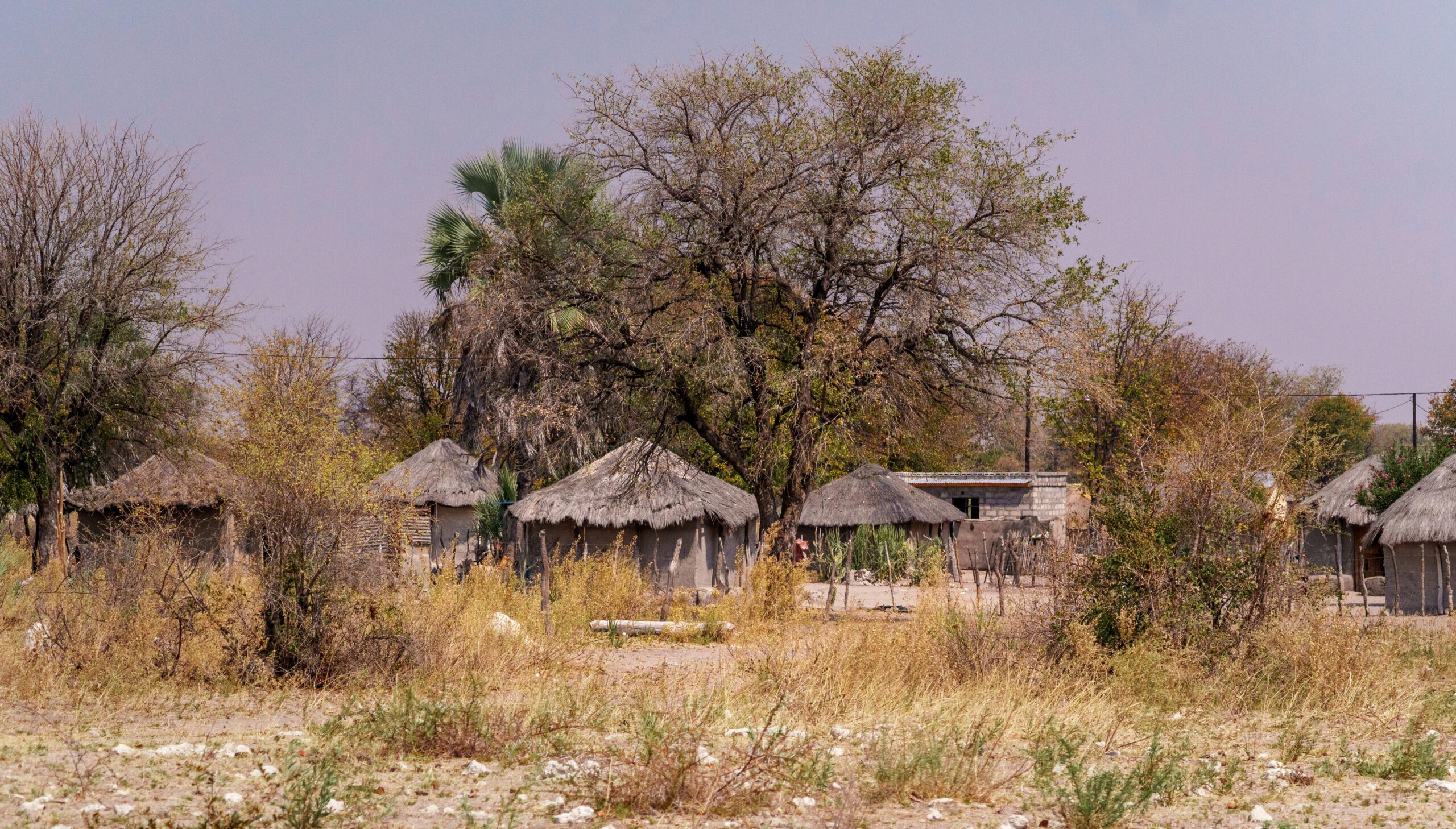
Community Trusts: What the System Means for a Traveller
A traveller-focused explanation of community trusts, concessions and the questions worth asking before booking.
-
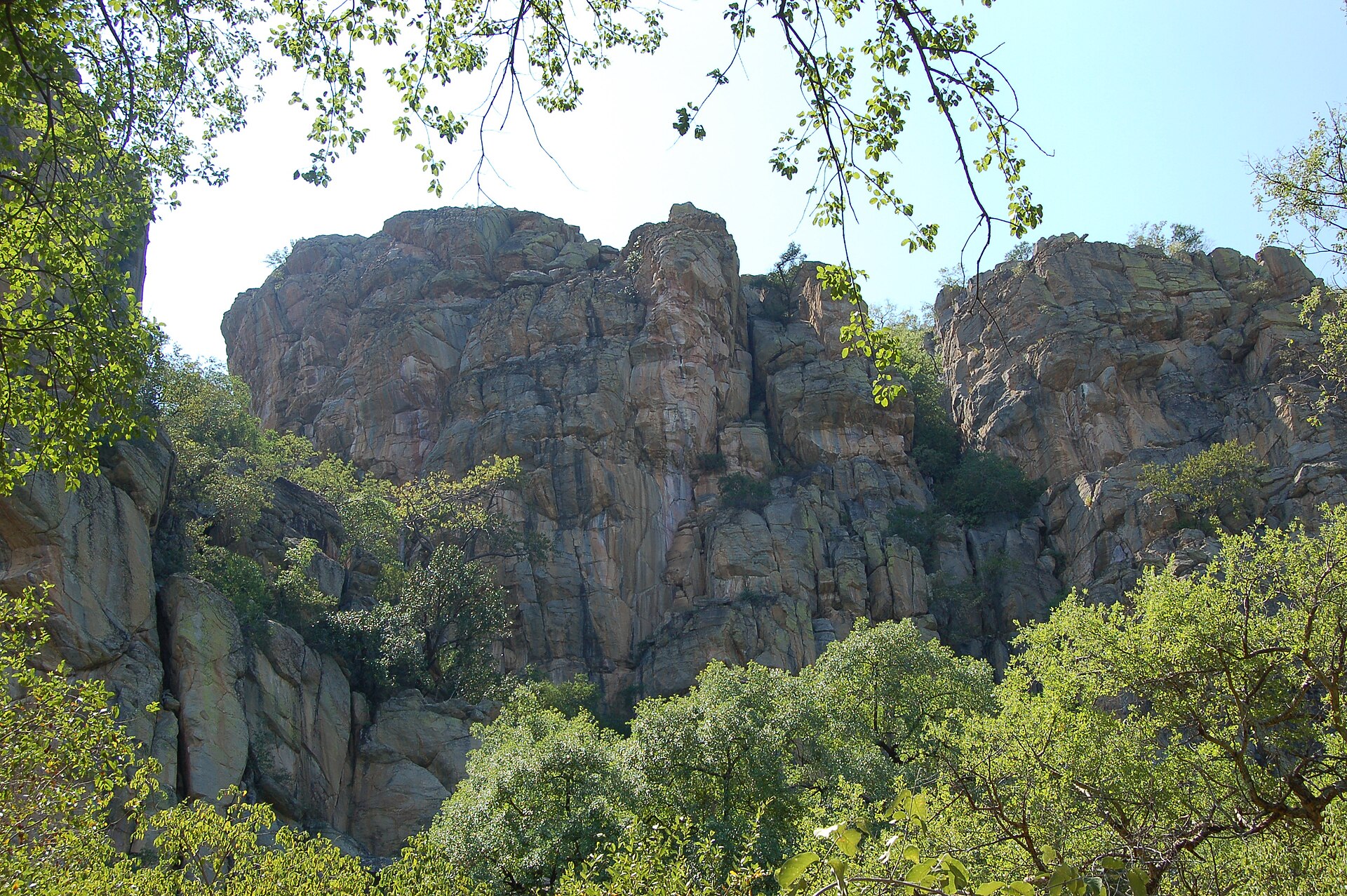
Tsodilo Hills: How to Visit With Historical Context
How to plan Tsodilo Hills as a cultural landscape rather than a quick photo stop.
-
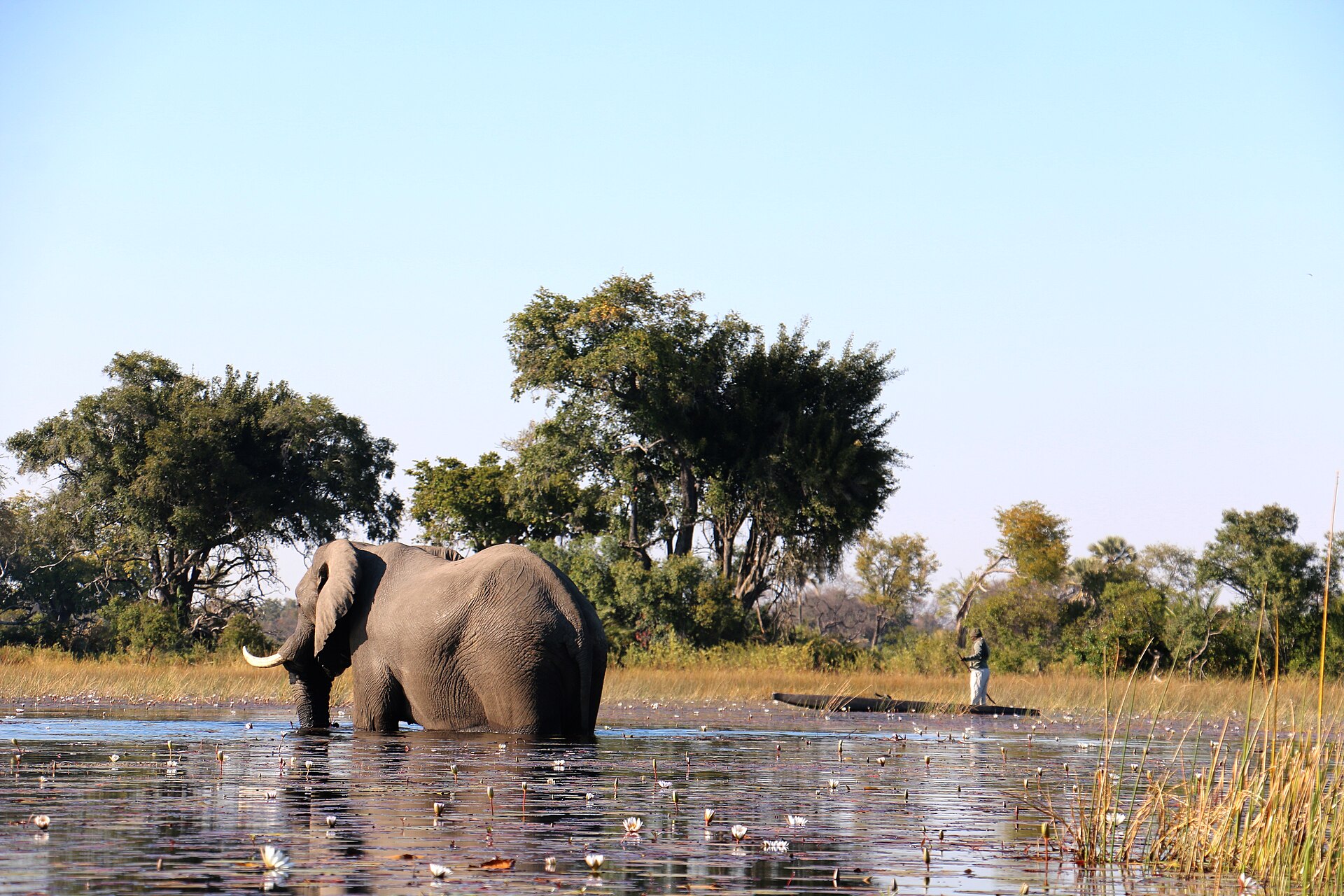
Mokoro Excursions: How to Choose the Right Format
A practical comparison of mokoro formats, from short Delta outings to camp-based activities and multi-day journeys.
-
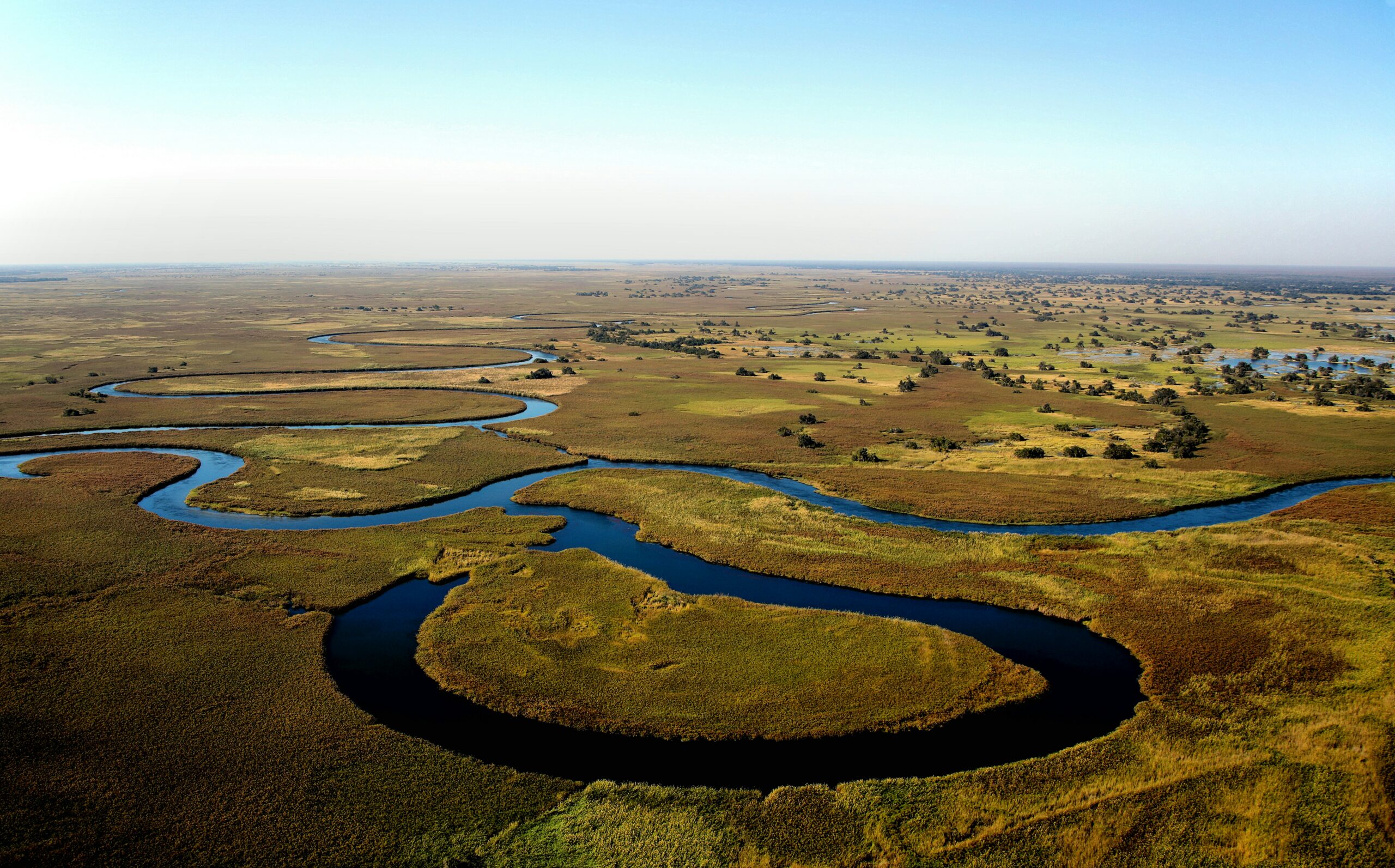
Fly-In Delta Camps: How to Choose the Right Base
A method for comparing fly-in Okavango camps by habitat and logistics instead of room photographs alone.
-
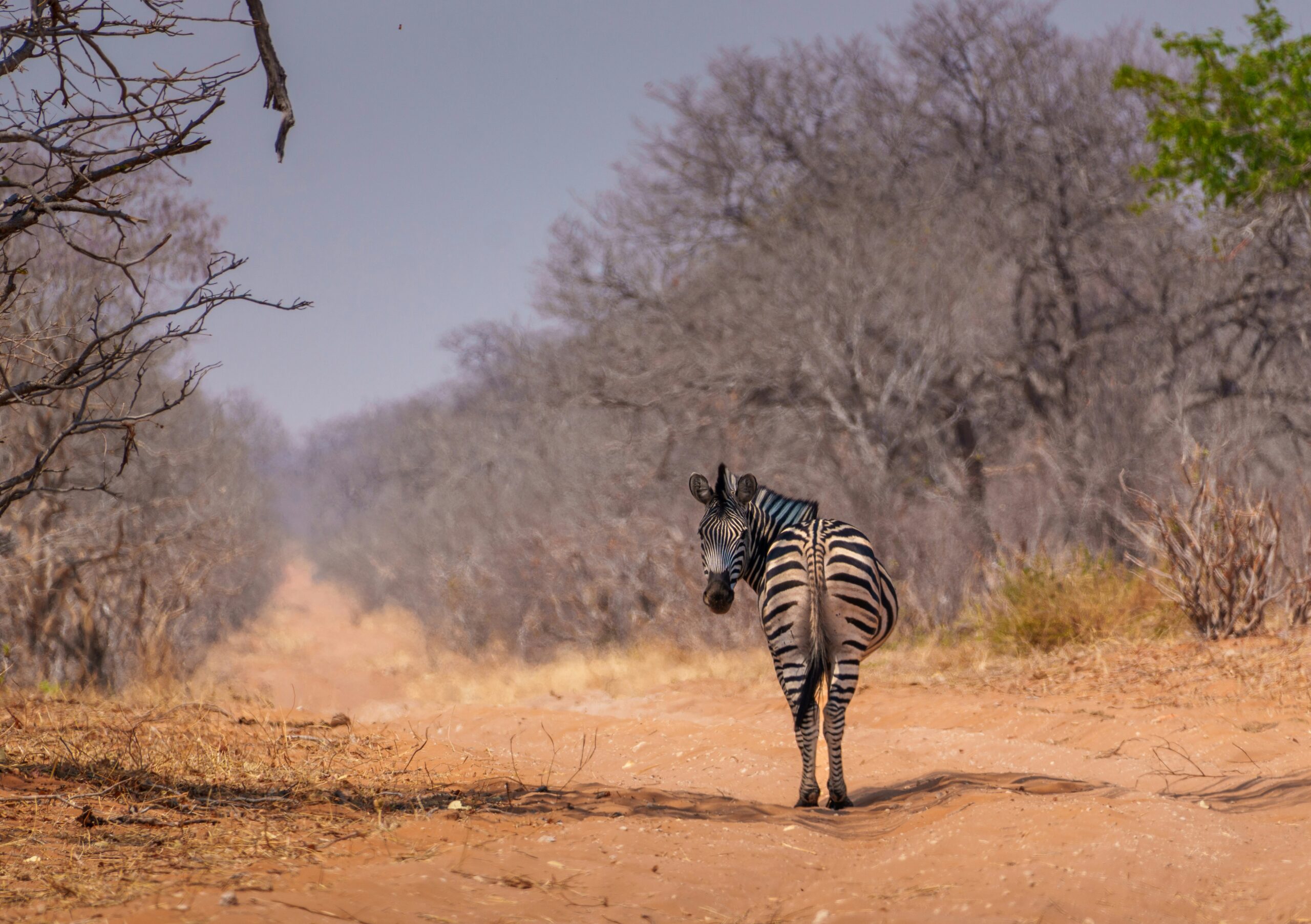
Botswana With Young Children: How to Build a Manageable Route
A practical route-planning framework for families travelling in Botswana with young children.
-
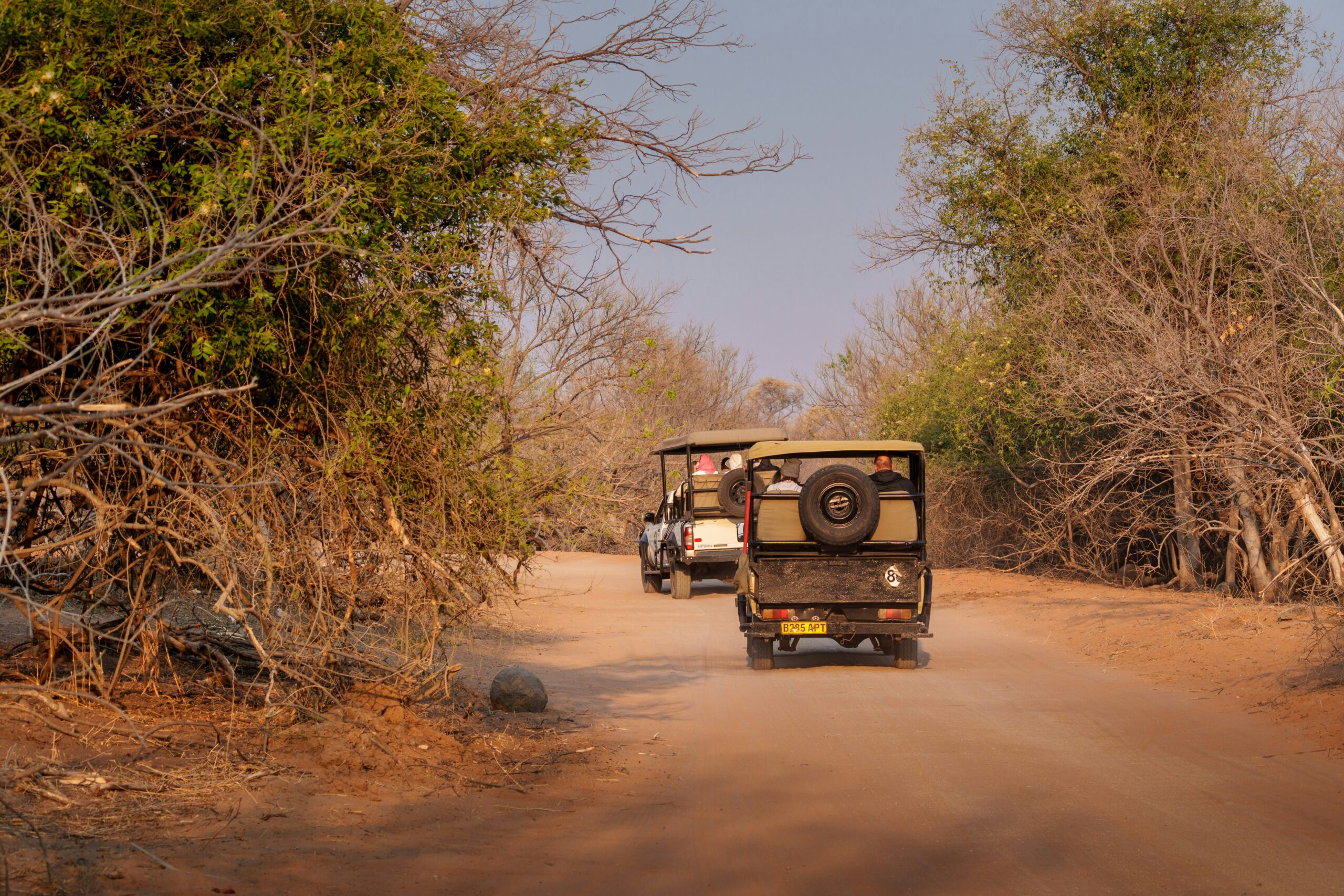
Photography From a Safari Vehicle: A Practical First-Trip Setup
A first-trip photography setup that works with open vehicles, dust, limited space and wildlife-viewing etiquette.
-
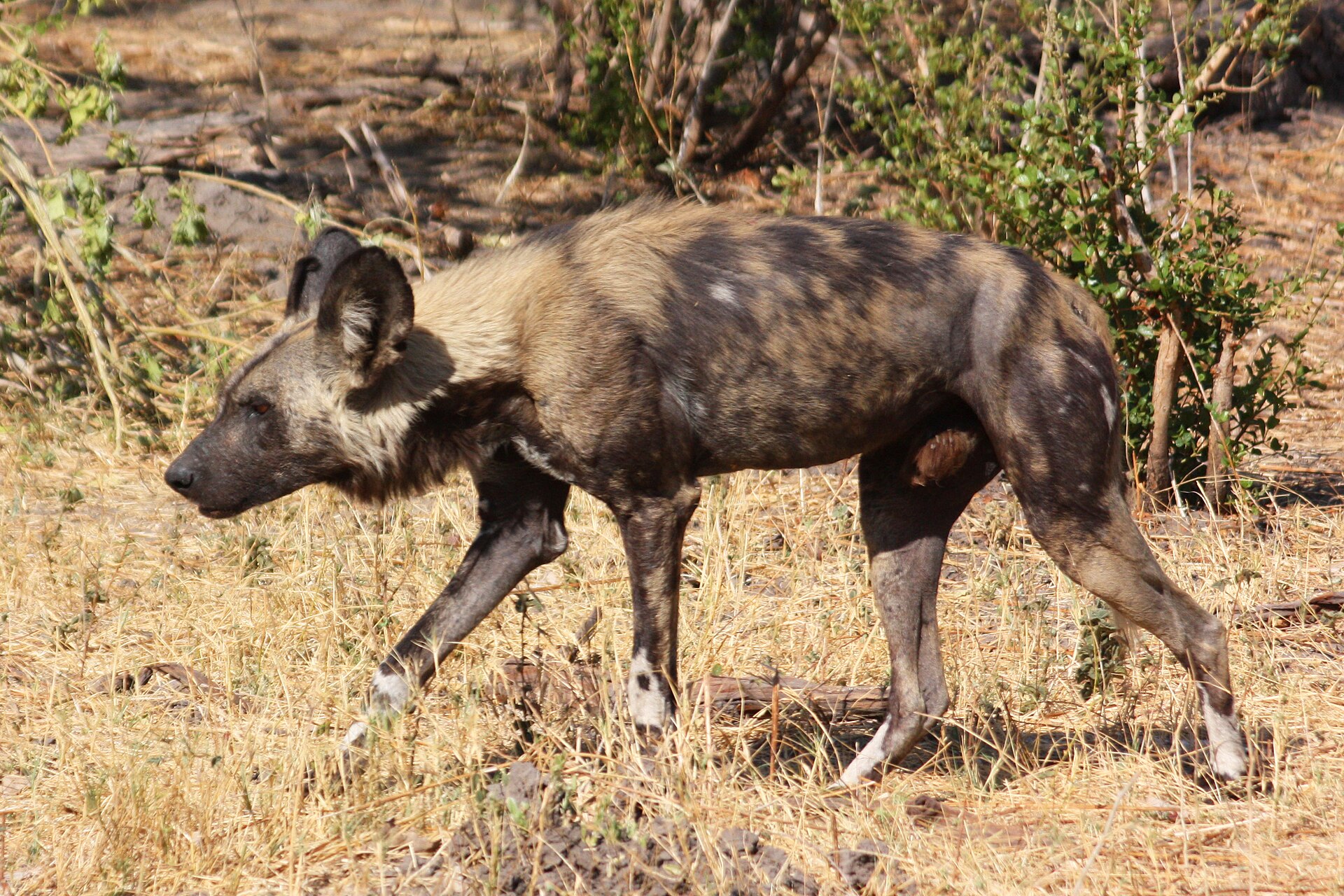
African Wild Dogs: Habitat, Season and Honest Sighting Odds
A species file on African wild dogs in Botswana, focused on ecology, movement and realistic sighting expectations.
What this Botswana travel blog is for
The rest of Botswana Travel Guide is built as reference: destination and park guides written to be read once, before a trip, and to stay accurate between readings. They are deliberately conservative. They avoid anything with a short shelf life, and where sources disagree they say so rather than choosing the tidier answer.
That format has a cost. It leaves no room for the things that change between one dry season and the next — a bridge out, a gate closed, a fee proposal withdrawn, a research paper that overturns a claim every guidebook repeats. The blog is where those go. It is the shorter, more perishable, more argumentative half of the site, and it exists so the reference pages can stay steady.
How the journal differs from the guides
Four kinds of writing will appear in the Botswana travel blog, and none of them belongs on a reference page, which is exactly why the blog exists.
- Field notes and background. Longer pieces on a single question — how the Okavango’s reversed flood actually works, why Botswana has no equivalent of a national parks booking site, what a concession lease does and does not buy you. Depth, on subjects a planning page can only summarise.
- Seasonal updates. Short posts at the turn of each season: where the flood has reached, how the rains have behaved, what that means for game viewing and for tracks over the coming months.
- Route and closure updates. The most useful thing we can publish and the fastest to go stale. Botswana’s 2025/26 wet season is the case in point: Moremi closed, a reopening planned for 27 March 2026 was postponed, and the reserve reopened on 13 April 2026 with Third Bridge closed until further notice and the Khwai–Xakanaxa route deemed inaccessible. A guide written in January would have been wrong by April. A dated post is honest about that; a guide page pretending to permanence is not.
- Corrections in public. When we get something wrong, the correction is a post, not a silent edit. See our corrections policy for how that works.
The standards behind every post
The blog is held to the same rules as the guides, set out in full in our editorial policy. The short version:
- We invent nothing. No rates, no availability, no star ratings, no review scores, no plausible-sounding opening hours. Where a figure is not officially confirmed, we say it is not confirmed.
- We name our sources at the foot of every page, and work outwards from the most authoritative available — legislation and government first, official tourism and treaty bodies next, peer-reviewed research for anything ecological, reputable reporting last and identified as such.
- We say when sources conflict. Botswana’s official sources contradict each other more often than travel writing admits — on park sizes, on designations, on border opening hours. We set out both accounts and name the authority that could settle it.
- We have not been there. This is a research-led guide, we say so plainly on our about page, and no post will imply otherwise. “Field notes” here means notes from the literature and the record, not from a vehicle.
- Commission buys nothing. Not a mention, not prominence, not a kind adjective; our affiliate disclosure explains the arrangement in full.
One further rule specific to the blog: every post carries the date it was written and, where it concerns something volatile, an instruction to confirm before travelling. The gap between our last check and your arrival is time in which a gate can close or a fee can change.
Journal series
These are the main strands covered by the Botswana travel journal. New articles are published when the underlying research and verification are complete.
- Access watch. Route, gate and seasonal closure status for the self-drive network — Moremi’s bridges, the Maun–Chobe transit, the Kalahari sand routes — written as dated snapshots rather than standing claims.
- The fee question. Park entry, vehicle and camping charges: how the structure works, why we publish no amounts, and what happened to the increase proposed for 1 April 2026 and postponed the day before it was due.
- Reading the flood. The Okavango’s inverted hydrology season by season — where the water is, what the published inflow records show, and how far ahead any of it can honestly be predicted.
- Claims we cannot verify. A running series on the assertions that circulate unchecked in Botswana travel writing: the Big Five framing, the “longest migration in Africa” claim, the meerkat-project confusion, published park sizes that disagree between official sources.
- Land and tenure. How community trusts, concession leases and Wildlife Management Areas actually distribute money and access, including the structural criticisms researchers make of the model.
- Species files. One animal at a time, built from the current conservation literature rather than lodge marketing, with honest odds of seeing it and where.
Where to start while you wait
Everything usable on this site today lives in the eight core sections. If you are planning a trip now, start there rather than here.
- Destinations — the regions and their gateway towns, including the Okavango Delta and Maun.
- Parks and reserves — the land tenure system that determines what you may do where, plus guides to Chobe National Park and Moremi Game Reserve.
- Wildlife and seasons — the flood cycle, the two zebra migrations, and species-by-species expectations.
- Safaris and activities — what a mokoro trip, a game drive or a walking safari actually involves, and where each is permitted.
- Self-drive — vehicles, fuel and water loads, campsite booking and route status.
- Accommodation — the categories and what they mean, with no rates and no ratings.
- Itineraries — how the Delta, Chobe and the Kalahari fit together, and what they cost in days.
- Travel planning — when to go, entry requirements, borders, money, connectivity and health.
If something on this site is wrong, out of date, or reads as more confident than the evidence supports, tell us through the contact page. Corrections are published, not buried.
Sources and references
These are the sources this Botswana travel blog monitors for the updates described above.
- Botswana Tourism Organisation and its parks and reserves and self-drive and camping pages
- Government of Botswana, including park and campsite booking procedure and the Botswana Daily News service, which carries ministry announcements on fees and closures
- Wildlife Conservation and National Parks Act 1992, the statute behind park and reserve rules
- Statistics Botswana for population and census figures
- UNESCO World Heritage Centre — Botswana and Ramsar Site 879 — Okavango Delta System
- Botswana Unified Revenue Service for vehicle import and border formalities
The journal is now live. New pieces appear automatically in the Latest articles section above. For volatile access, route and fee information, check each article’s last-checked date before travelling.
The reference pages that are finished
These are written, sourced and live. The journal will point at them as things change.
The six regions, and why they are ours rather than anyone else’s.
Open →Parks & reservesFour categories of protected area, and the rules in each.
Open →Corrections policyHow we publish corrections, and how to tell us we are wrong.
Open →Tell us when something has changed.
Fees change, gates move, channels dry and bridges open. If something here is out of date, we would rather hear it from you than leave it standing.
Contact usEditorial policy