
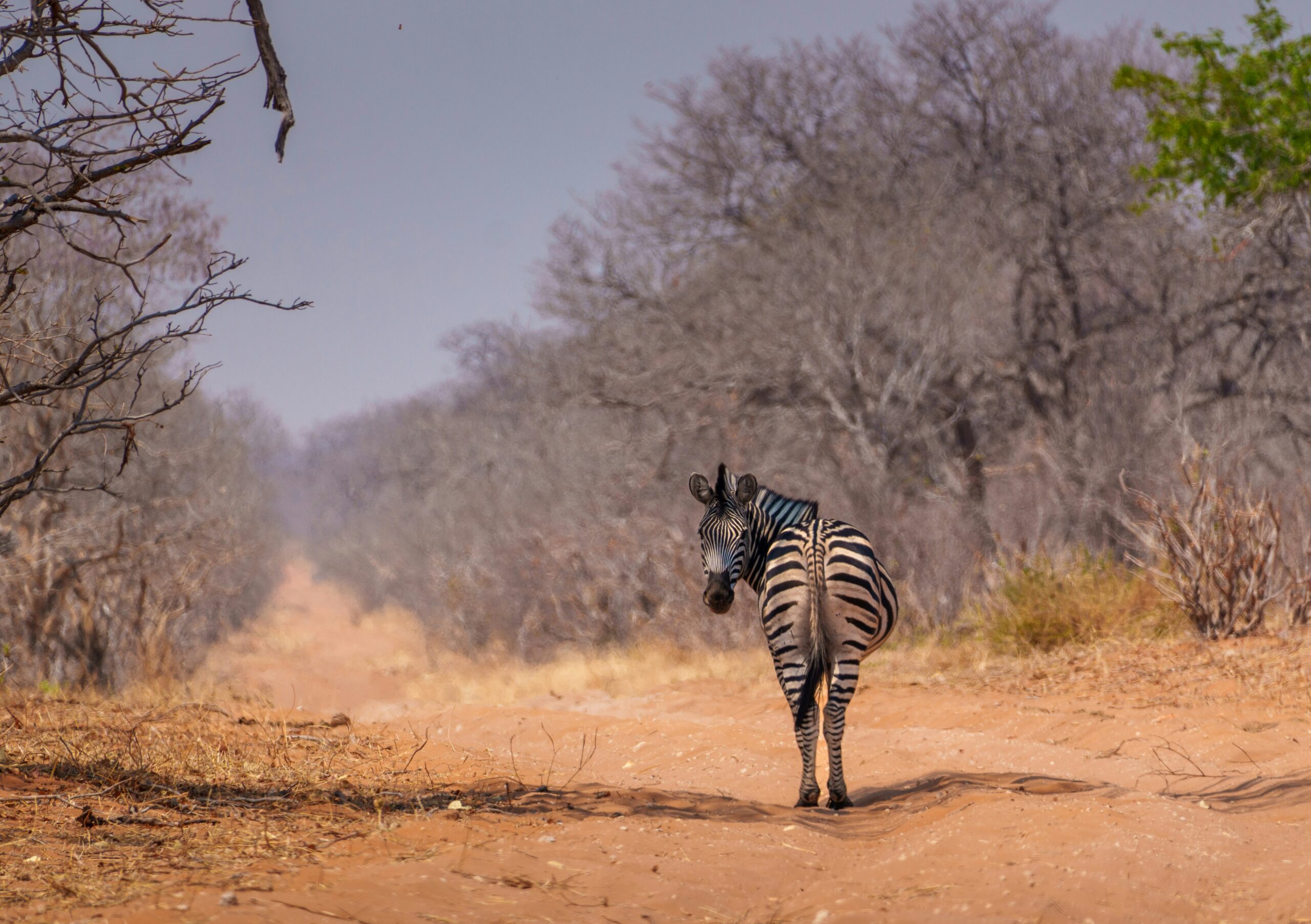
Botswana with young children can work well, but the route needs to be built around attention span, heat, sleep and safety rather than around the maximum number of parks. Long transfers and unfenced camps demand more management from adults than a brochure can show.
Start with the youngest child’s needs and the operator’s actual age rules. Camps may restrict walks, mokoro trips, shared vehicles or minimum ages. A family room does not automatically mean every activity is suitable.
Last checked
19 September 2026. Conditions, rules and operator arrangements can change. Confirm volatile details with the responsible authority or operator before travelling.
In this guide
Botswana with young children: Reduce the number of bases
Use three-night stays where possible and limit consecutive travel days. A child who has slept badly may need a late start or quiet afternoon, and the itinerary should survive that change.
Maun, Kasane and Gaborone can provide practical breaks with shops, clinics and flexible food. Remote camps offer extraordinary access but less room to solve forgotten medication or a difficult meal.
Ask about fences and room layout
Many safari camps and public campsites are unfenced. BTO states that children must be constantly supervised at campsites and must never be left alone or allowed to sleep in the open.
Ask how far the family room is from the main area, whether walking after dark requires an escort, and whether rooms connect internally. Do not assume adjacent tents are equivalent to a shared family unit.
Choose family logistics before safari labels
Room configuration, vehicle privacy and transfer length matter more than a long list of animals. Compare accommodation with the children’s ages and daily rhythm in view.
Match activities to the child
Shared game drives can be long and quiet, with no easy return. A private vehicle gives families more control over duration, snacks and toilet needs, though it increases cost.
Check minimum ages for boats, walks, mokoro excursions and small-aircraft transfers. Choose one major activity per part of the day and leave space for rest rather than promising children a full adult safari schedule.
Health planning needs professional advice
Northern Botswana is a malaria-risk area. BTO advises medical consultation and says pregnant or very young children are not advised to travel to malarial areas. Seek current advice from a qualified clinician who knows the child’s age and health.
Manage heat with water, shade, hats and shorter outings. Carry familiar medication and a written plan for allergies or chronic conditions. Confirm the evacuation and medical-assistance process with the operator and insurer.
Build a forgiving first route
A practical first family trip might use a gateway recovery night, one safari region and a second contrasting but easy base. Chobe from Kasane can combine shorter drives with river activities; other families may prefer a lodge outside a reserve with flexible schedules.
Avoid testing deep-sand self-driving, long border days and multiple remote camps at once. Those can be future trips. A manageable route creates better wildlife attention because the family is rested.
A sensible Botswana with young children plan keeps a clear fallback for changing conditions, timing or availability.
Botswana with young children: build a repeatable day
A Botswana with young children itinerary benefits from a predictable daily rhythm. Use shorter early activities, a real midday rest and a flexible late-afternoon option rather than committing every waking hour. Ask each property about minimum ages, private-vehicle requirements, pool supervision, meal timing and room layout. A “family-friendly” label is too broad unless the operator explains the rule that applies to the child’s exact age.
For Botswana with young children, reduce the number of long transfer days and avoid stacking a border, flight and game drive into one sequence. Keep water, familiar food, sun protection, warm layers and essential medicine in hand luggage. On light-aircraft sectors, confirm child restraints and luggage limits directly. On self-drive routes, plan toilet and movement breaks before the child needs them and stop only in places the guide or road conditions make safe.
Wildlife viewing in Botswana with young children requires clear behaviour rules. Children need to understand quiet voices, remaining seated and following the guide immediately. Parents should be ready to end an activity without treating it as a failure. A private vehicle can provide flexibility, but it does not change park rules or animal behaviour. The best route leaves enough recovery time for the adults as well as the children.
- Confirm every age rule in writing.
- Keep transfer days shorter than adult-only plans.
- Carry essentials outside checked or transferred luggage.
- Practise quiet, seated vehicle behaviour before the trip.
- Plan Botswana with young children around rest and flexibility.
Botswana with young children: practical checklist
- Check each camp’s minimum age and activity rules.
- Confirm fence status and night-escort procedure.
- Prefer longer stays and fewer bases.
- Seek individual medical advice about malaria and heat.
- Consider a private vehicle for flexibility.
Before relying on this guide for Botswana with young children, confirm the details that can change with the responsible authority or operator.
Sources for Botswana with young children
The main references used for this article were BTO self-drive camping safety guidance, BTO health guidance, BTO Mokolodi family information. Where a source is old, incomplete or silent on an operational detail, the article says so instead of presenting an assumption as a rule.
Our itinerary guide and travel-planning section help reduce the route to a workable shape.
Botswana with young children is not improved by proving that the family can tolerate an adult itinerary. It is improved by shorter transfers, explicit safety arrangements and enough flexibility to stop while the day is still enjoyable.