
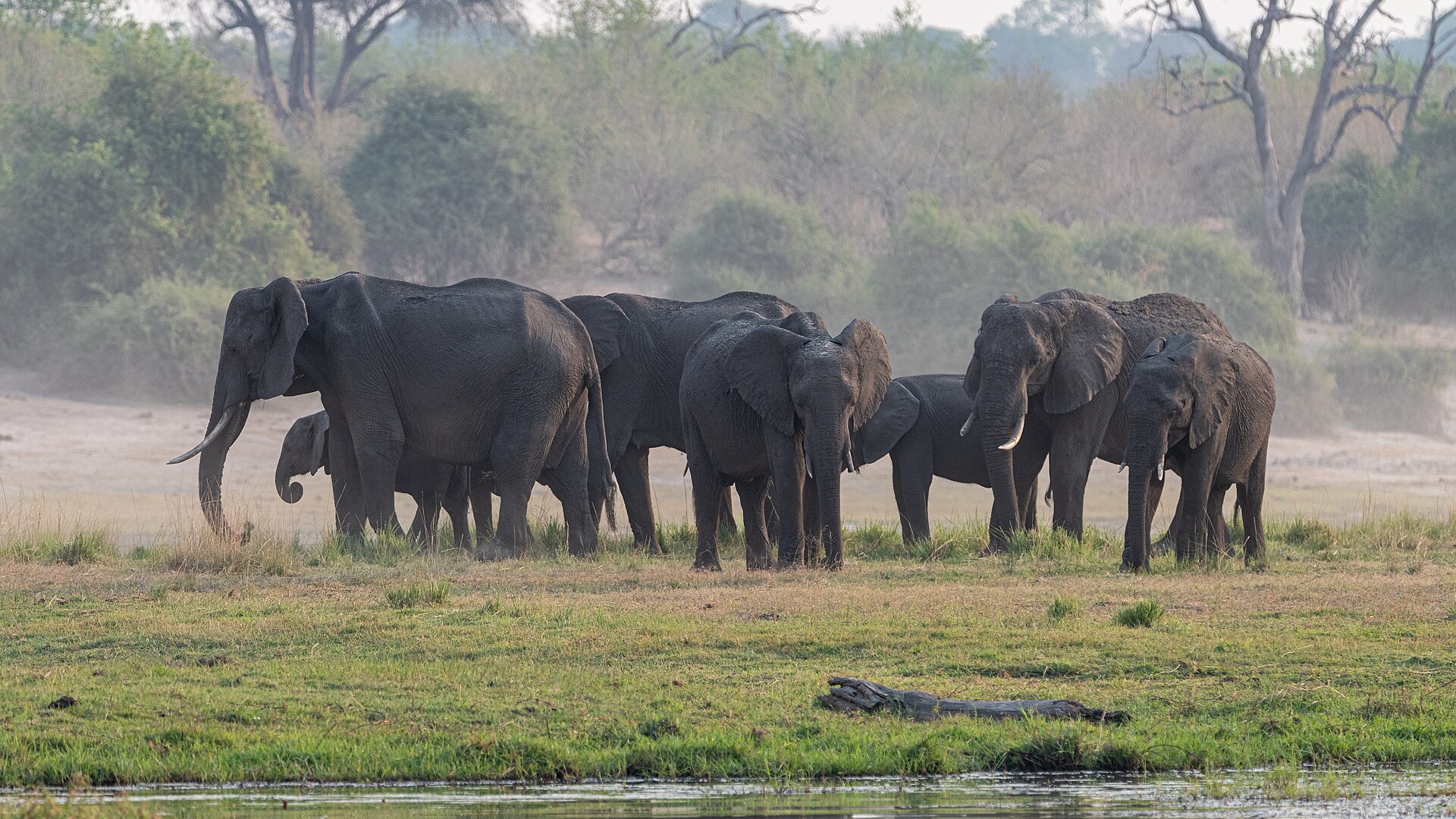
The Chobe Riverfront dry season is a progression, not a single condition. May can still carry green edges and residual water across the landscape; October is hotter, drier and more concentrated. Between them, animal distribution, dust, temperature and visitor pressure all change.
Month labels are useful only as a planning frame. Rain can begin early or late, river levels vary and wildlife moves for reasons a calendar cannot predict. Use this guide to choose trade-offs, then check the current year.
Last checked
19 September 2026. Conditions, rules and operator arrangements can change. Confirm volatile details with the responsible authority or operator before travelling.
In this guide
Chobe Riverfront dry season: May and June: transition into the dry season
May often brings cooler mornings and the end of the rainy-season transition. The bush may still be fuller than travellers expect from classic dry-season photographs, and animals do not need to remain close to the river at all times.
By June, cooler winter conditions are more established. Visibility generally improves as grasses and foliage recede, but early drives can be cold in open vehicles. Pack layers that can be removed after sunrise.
July and August: reliable winter conditions
July and August are popular for good reason: dry weather, cooler temperatures and increasing dependence on permanent water. BTO describes the riverfront as famous for elephant and buffalo herds converging during the dry winter months.
Popularity also means more vehicles on the accessible riverfront tracks. A good guide manages timing and distance rather than racing between reported sightings. A boat trip adds a different angle and can reduce the sense of crowding on land.
Stay close enough to use the best hours
A Chobe plan works best when the accommodation, boat departure and game-drive meeting point fit together. Compare Kasane and riverfront options before adding unnecessary transfers.
September: heat and concentration build
September is hotter, dustier and often more intense. Water dependence increases and afternoon river activity can be excellent, especially for elephants, but midday heat can make both people and animals less active away from water.
Plan hydration and shade deliberately. Camera equipment, medication and children all need protection from heat. The reward is not a guaranteed spectacle; it is a landscape in which the river’s role becomes increasingly visible.
October: the hard edge of the dry season
October can be extremely hot before the rains break. Wildlife may be strongly concentrated near remaining water, yet heat shimmer, dust and physical fatigue affect the quality of a drive. Longer is not always better.
Book accommodation with a realistic midday plan and ask how vehicles manage the hottest hours. If rain arrives, conditions can change quickly: dust settles, insects emerge and animals begin to disperse.
Choose land, river or both
Game drives reveal woodland, floodplain edges and predator movement. River cruises place hippos, crocodiles, waterbirds and drinking herds in a different spatial relationship. Neither replaces the other.
For a first visit, combining the two gives the clearest reading of the riverfront. Check boat size, departure time and whether the activity starts in town or includes a transfer. On land, ask about seating layout and private versus shared vehicles.
A sensible Chobe Riverfront dry season plan keeps a clear fallback for changing conditions, timing or availability.
Chobe Riverfront dry season: choose dates by priority
The Chobe Riverfront dry season is not one uniform block. Early dry-season visits can retain greener vegetation, milder mornings and more water away from the permanent river. Later months usually concentrate more animals near reliable water, while heat, dust and competition between vehicles also increase. Decide whether comfortable conditions, landscape colour, elephant density or peak water dependence matters most to the group before choosing dates.
For a Chobe Riverfront dry season stay, plan more than one outing at different times of day. Morning light and cooler temperatures can favour active animals, while late afternoon often brings movement back toward the river. A boat and a land-based drive reveal different edges of the same system. Neither format guarantees a particular species, and river level or wind may change which route is most productive.
Build the Chobe Riverfront dry season itinerary around Kasane logistics as well as wildlife. Confirm park-entry arrangements, pickup time, shared-vehicle capacity and whether a river activity returns before a flight or border transfer. In the hottest period, allow a genuine midday break. A slower schedule protects attention and patience, which often matter more than adding a third rushed activity.
- Choose the month by comfort and habitat priorities.
- Book both land and water perspectives if time allows.
- Carry warm layers for early drives and sun protection later.
- Keep border or flight days lighter than full safari days.
- Treat Chobe Riverfront dry season sightings as variable.
Chobe Riverfront dry season: practical checklist
- Pack warm layers for winter dawns and strong sun protection for afternoons.
- Combine a river activity with at least one land-based drive.
- Expect more vehicles in peak dry-season months.
- Protect water, medication and cameras from September–October heat.
- Check current rainfall and river conditions before travel.
Before relying on this guide for Chobe Riverfront dry season, confirm the details that can change with the responsible authority or operator.
Sources for Chobe Riverfront dry season
The main references used for this article were Botswana Tourism Organisation’s Chobe National Park guide, BTO wildlife-viewing guidance. Where a source is old, incomplete or silent on an operational detail, the article says so instead of presenting an assumption as a rule.
Read our Chobe National Park guide and Chobe destination guide for the wider route.
The best month is the one whose compromises suit you. The Chobe Riverfront dry season becomes more concentrated as it advances, but comfort, crowding and photographic conditions change alongside the wildlife.