
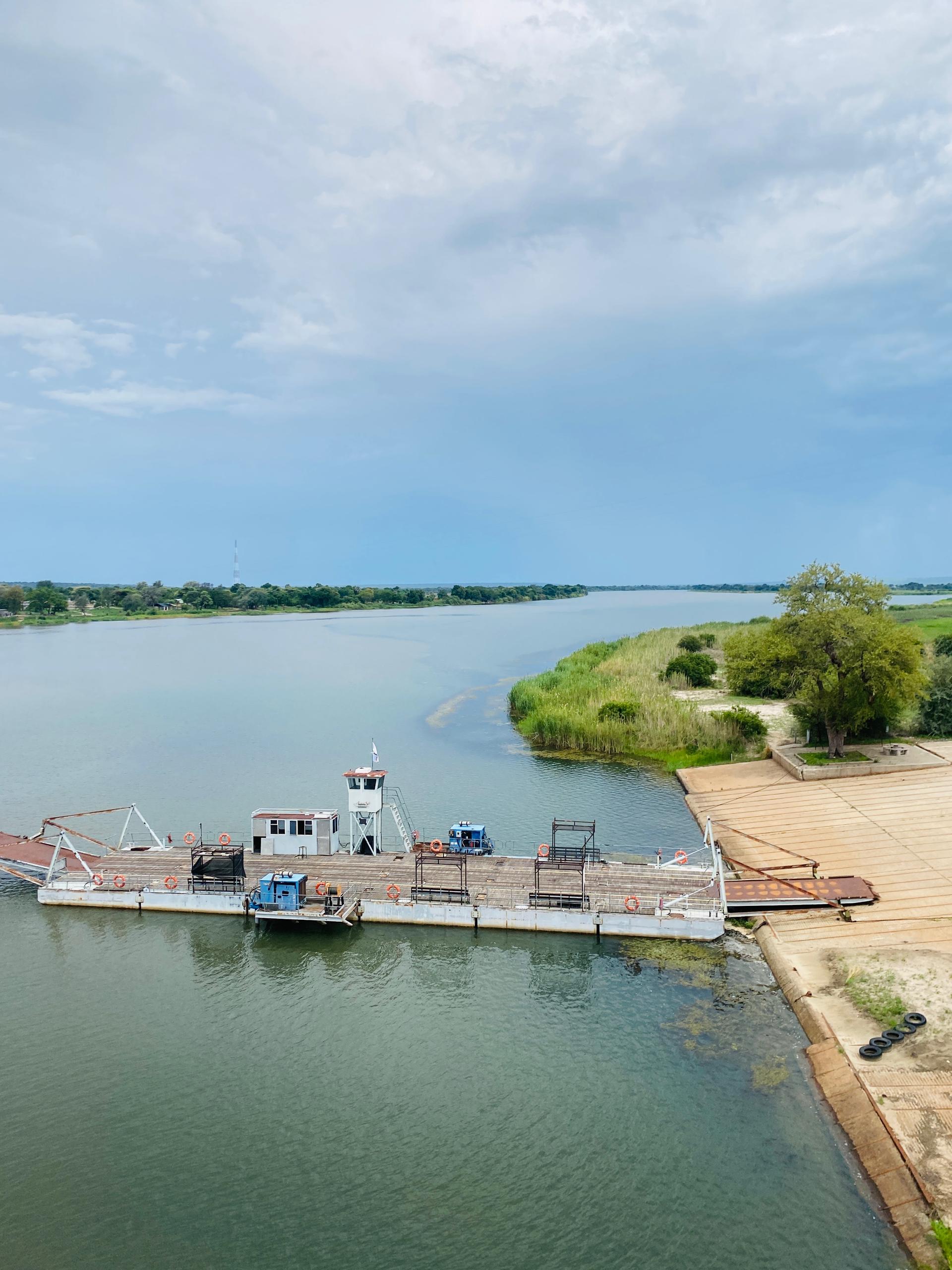
The Kazungula crossing connects Botswana and Zambia across the Zambezi by bridge. The infrastructure is modern, but the traveller still completes immigration, customs and vehicle procedures for two countries. Missing authority to drive a borrowed or financed vehicle can cause more trouble than the bridge itself.
Border hours, fees and forms can change. Botswana legislation published by BURS lists Kazungula Road as 06:00–20:00, but confirm current hours on both sides close to travel and arrive with margin.
Last checked
19 September 2026. Conditions, rules and operator arrangements can change. Confirm volatile details with the responsible authority or operator before travelling.
In this guide
Kazungula crossing: Personal documents
Carry a passport valid for the trip and check the entry rules for every traveller’s nationality. A visa rule for one passport does not establish the rule for another, and children may require additional documents depending on the countries involved.
Keep accommodation details and onward plans accessible. Complete declarations honestly. BURS states that travellers must declare goods in their possession to customs on the Form J process.
Vehicle ownership and permission
Carry the original or officially accepted vehicle registration document and a driving licence valid for Botswana and Zambia. If the vehicle is rented, financed or not registered to the driver, obtain the required authority letter before departure.
Confirm cross-border permission with the rental company in writing and name Zambia specifically. Check insurance territorial cover, roadside support and any restriction on onward travel.
Keep the border day short on both sides
A night in Kasane or near the Zambian side removes pressure from immigration and vehicle formalities. Compare stays before linking the crossing directly to a long onward drive.
Customs and temporary import
A foreign-registered vehicle may need temporary import and road-related formalities. BURS says vehicles imported temporarily into Botswana should be covered by a Temporary Import Permit issued at entry or an ATA Carnet, depending on the case.
Do not rely on a fee amount copied from an old blog. Ask the customs authority or rental company for the current process, permitted payment methods and currencies, then obtain receipts for every official payment.
Timing the border day
Arrive early enough to complete both sides without pressure. Weekends, holidays, coach arrivals and system outages can create queues. A same-day connection with no margin is fragile.
Fuel, use the toilet and organise documents before joining the process. Keep valuables controlled while moving between desks, and check that each passport receives the expected stamp before leaving the counter.
After the crossing
Before driving away, confirm the next route, local road rules, insurance evidence and any toll or road charge documents. Store receipts where they can be produced on exit.
If returning through Kazungula, keep the temporary-import and vehicle papers together. Do not discard a form because it appeared to be only an entry receipt; it may be needed to close the movement.
A sensible Kazungula crossing plan keeps a clear fallback for changing conditions, timing or availability.
Kazungula crossing: arrange a border document pack
For the Kazungula crossing, keep the original vehicle and identity documents together but separated from everyday luggage. The driver should be able to reach the passports, vehicle registration, rental authorisation, insurance evidence and any required cross-border letter without unpacking the vehicle in a queue. Carry copies separately and save clear scans offline, while remembering that a copy does not replace an original where an official requires one.
Before the Kazungula crossing, verify which fees and forms apply to the exact direction of travel, vehicle and nationality. Requirements can differ between Botswana and Zambia and may change. Use official sources or the rental company for vehicle documentation, and ask for a written list. If a payment is made, keep the receipt until the vehicle has completed the return journey and every border leg covered by that payment.
At the Kazungula crossing, move through one counter and instruction at a time. Do not hand documents or money to an unofficial helper, and do not rely on someone in the queue to explain a legal requirement. Check every stamp, date and registration number before leaving the window. Once clear, stop only in a safe place to reorganise the file and confirm the next navigation step.
- Carry passports and original vehicle documents.
- Confirm the rental company’s cross-border authorisation.
- Check current official hours and requirements.
- Keep receipts and completed forms together.
- Review stamps before leaving the Kazungula crossing.
Kazungula crossing: practical checklist
- Check passport and visa rules for each nationality.
- Carry registration, licence and written cross-border authority.
- Confirm insurance cover for both countries.
- Declare goods and retain customs and payment receipts.
- Verify current opening hours on both sides before travel.
Before relying on this guide for Kazungula crossing, confirm the details that can change with the responsible authority or operator.
Sources for Kazungula crossing
The main references used for this article were BURS guidance on passing through customs, BURS vehicle-clearance information, BURS office listings. Where a source is old, incomplete or silent on an operational detail, the article says so instead of presenting an assumption as a rule.
Our travel-planning section and Kasane guide help position the crossing in a wider trip.
The Kazungula crossing is straightforward when every traveller and vehicle has a complete paper trail. Confirm the current rules, arrive early and keep the exit documents as carefully as the entry stamps.