
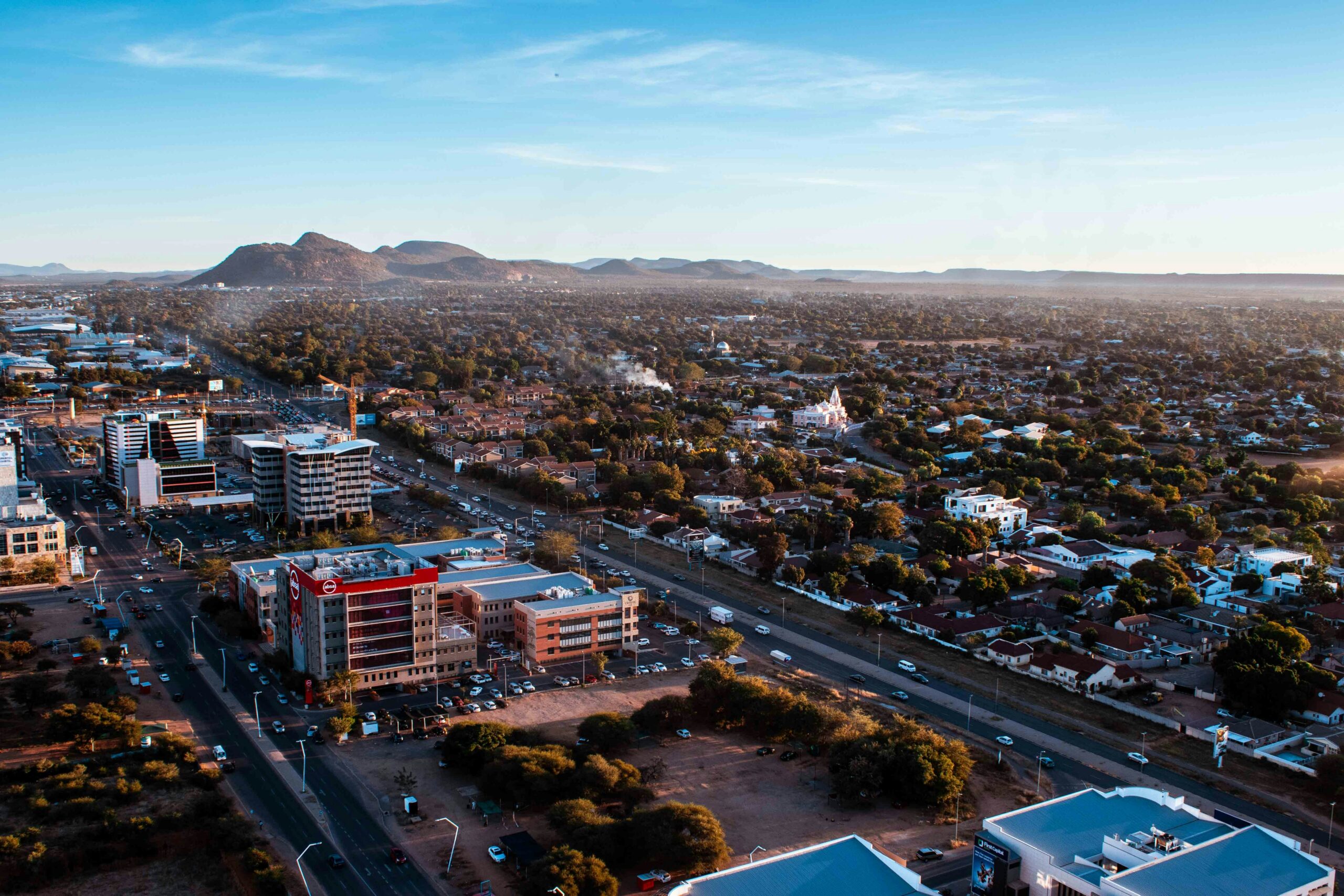
Gaborone to Maun via Ghanzi is a major cross-country journey, not an ordinary transfer. The route uses long tarred sections and can look simple on a map, but the total distance, animals on the road, fuel stops and driver fatigue make timing the central decision.
For many travellers, splitting the journey around Ghanzi is the safer and more enjoyable plan. A single-day drive is possible for rested, experienced drivers who start early, share the work and accept very little flexibility. It is not the default recommendation after a flight.
Last checked
19 September 2026. Conditions, rules and operator arrangements can change. Confirm volatile details with the responsible authority or operator before travelling.
In this guide
Gaborone to Maun via Ghanzi: Decide between one day and two
Choose two days when collecting an unfamiliar rental vehicle, travelling with children, driving alone or arriving after an overnight flight. The overnight also creates time to resolve tyre, paperwork or shopping problems before the remote north-west.
A one-day plan needs a pre-dawn or early start, two capable drivers and a firm decision not to finish in darkness. Build the schedule from conservative moving time plus real stops, not from the fastest online estimate.
Use Ghanzi as a proper checkpoint
Refuel even if the gauge looks comfortable, eat, change drivers and inspect the tyres. Confirm the next fuel stop and current opening information. Do not let a planned brand or station become the only option in the range calculation.
If tiredness is already evident at Ghanzi, stop. Accommodation is easier to replace than the consequences of a wildlife collision or microsleep on the long road ahead.
Make Ghanzi or Maun part of the route
An overnight is not wasted time when it protects daylight and the next transfer. Compare practical stops before turning the whole journey into a single endurance day.
Expect animals and changing speed
Botswana drives on the left. BTO warns travellers to watch for wildlife and domestic animals on roads. Cattle, donkeys and wildlife can enter the carriageway with little warning, especially near settlements and after dark.
Slow before villages, crests and dusk. The legal limit is not a target speed. Heat, wind, roadworks and driver concentration all change what is safe.
Fuel, water and communications
Begin with a full tank and enough water for an unplanned delay. Keep essential contacts and the accommodation location offline. Mobile coverage can be intermittent and a booking app is not a navigation backup.
Tell the destination your expected arrival window and update it from a safe stop. If arrival will be after reception closes, agree on the procedure before leaving the last reliable service point.
Arrive in Maun ready for the next stage
Do not schedule a park departure immediately after the long drive. Use Maun for food, water, fuel, cash, vehicle checks and the latest access information.
A recovery night is valuable before Moremi, Khwai or a flight into the Delta. It separates an ordinary road delay from a missed transfer and gives the driver a full night before more demanding tracks.
A sensible Gaborone to Maun via Ghanzi plan keeps a clear fallback for changing conditions, timing or availability.
Gaborone to Maun via Ghanzi: build a daylight timeline
For Gaborone to Maun via Ghanzi, calculate the day backwards from the latest acceptable arrival in Maun. Allow time to refuel, use toilets, buy food and handle a puncture or road delay without turning the final hours into a night drive. The published distance is useful, but it does not include the slow exit from Gaborone, animals near the road, roadworks or the fatigue cost of a long uninterrupted stint.
Break Gaborone to Maun via Ghanzi into named checkpoints rather than one large target. Record the planned departure, fuel stop and latest time to continue beyond Ghanzi. Share driving only with people approved under the rental agreement, and change drivers before concentration falls. A proper break means leaving the seat, drinking water and checking the tyres, not only adding fuel while everyone stays in the vehicle.
Keep the Gaborone to Maun via Ghanzi fallback practical. If the vehicle, driver or daylight margin deteriorates, stop in Ghanzi or another suitable booked option rather than chasing the original arrival. Tell the Maun accommodation about the change while communication is available. The following morning’s short final sector is usually cheaper and safer than completing the road exhausted after dark.
- Leave Gaborone with a full tank and a daylight margin.
- Name the fuel and rest stops before departure.
- Set a latest safe continuation time at Ghanzi.
- Keep food, water and a charged phone accessible.
- Treat Gaborone to Maun via Ghanzi as a full travel day.
Gaborone to Maun via Ghanzi: practical checklist
- Avoid the journey immediately after a long flight.
- Choose an overnight if there is only one driver.
- Refuel and inspect the vehicle in Ghanzi.
- Carry water and key directions offline.
- Plan to reach Maun before dark and keep the next morning free.
Before relying on this guide for Gaborone to Maun via Ghanzi, confirm the details that can change with the responsible authority or operator.
Sources for Gaborone to Maun via Ghanzi
The main references used for this article were BTO driving and access guidance, Botswana Tourism Organisation. Where a source is old, incomplete or silent on an operational detail, the article says so instead of presenting an assumption as a rule.
See our Maun guide and Botswana itineraries for the days around the drive.
Gaborone to Maun via Ghanzi works when the plan protects alertness and daylight. The two-day version is often the more efficient trip because it arrives with people and vehicle ready for what comes next.