
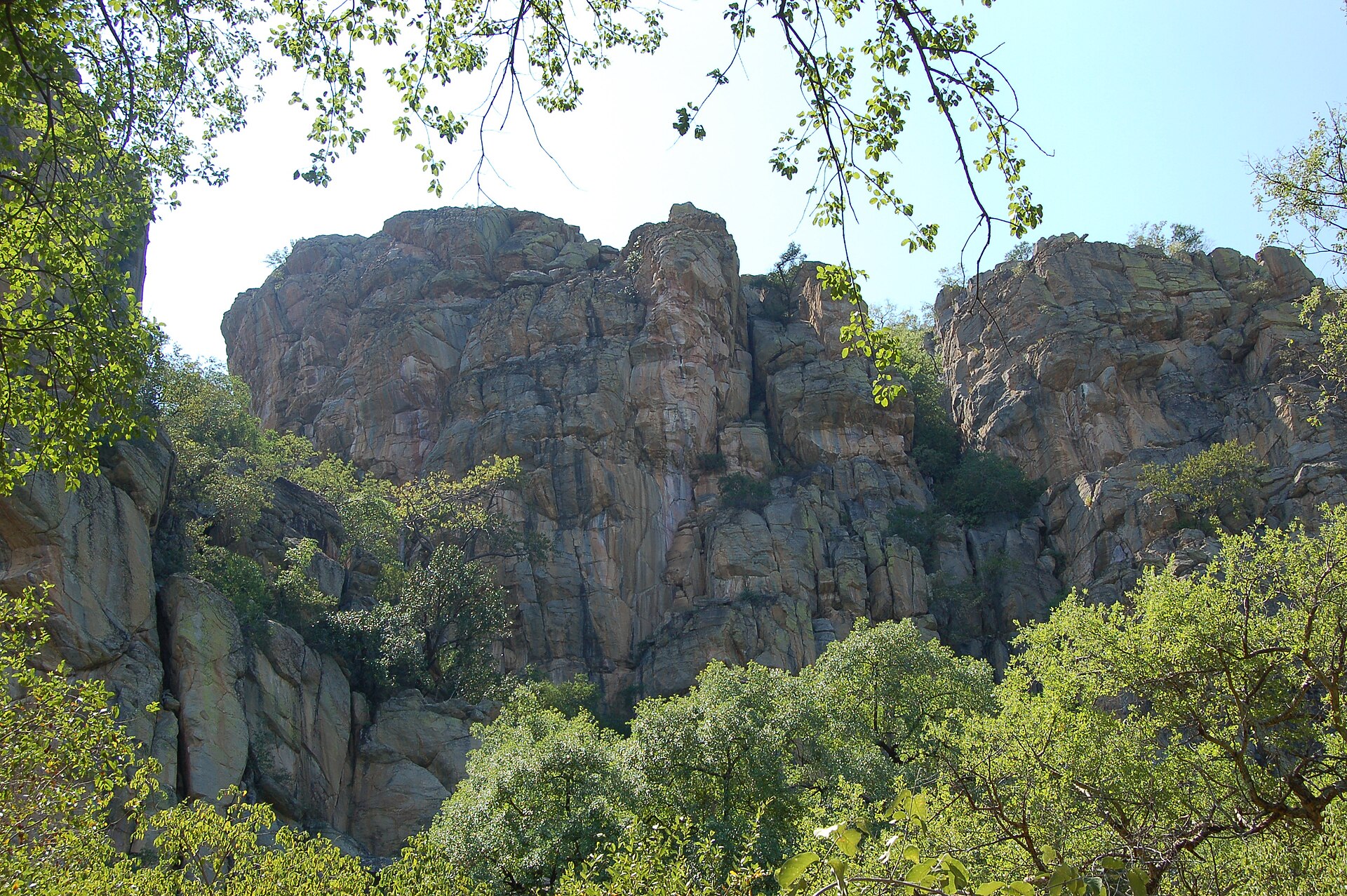
Tsodilo Hills rise sharply from the Kalahari sands of north-west Botswana and contain an exceptional concentration of rock art and archaeological evidence. UNESCO inscribed the site for the long record of human presence and the spiritual significance that continues around the hills.
A good Tsodilo Hills visit therefore needs more than directions to a trail. Use a local guide, allow time for interpretation and treat the landscape as a living cultural place rather than an outdoor gallery.
Last checked
19 September 2026. Conditions, rules and operator arrangements can change. Confirm volatile details with the responsible authority or operator before travelling.
In this guide
Tsodilo Hills: Understand the World Heritage claim
UNESCO describes massive quartzite formations, archaeological deposits and outstanding rock art created over thousands of years. The importance lies in the relationship between images, occupation sites, landscape and continuing traditions.
Do not reduce the site to a count of paintings. Ask how different researchers and communities interpret the material and where the evidence remains uncertain.
Use the local guiding system
Confirm the current visitor-centre procedure and arrange a guide for the chosen trail. A guide helps locate images that are easy to miss, explains route difficulty and places the art within local history.
Fees and trail access can change, so verify them before the long drive. Carry cash only if the current official procedure requires it and obtain a receipt.
Give Tsodilo enough time
A heritage visit works best when it is not squeezed between long drives. Compare north-west Botswana stops and build an overnight if that protects daylight and guide time.
Choose a trail that fits the group
The hills, heat and exposed rock make distance a poor measure of difficulty. Ask about ascent, shade, surface and duration. Start early and carry more water than a short walk in town would require.
Children and less mobile travellers may benefit from a shorter interpretive route. A limited visit done attentively is better than forcing a circuit that leaves no energy for the archaeology.
Protect the rock art
Do not touch, wet, trace or apply anything to the paintings. Stay on the guide’s route and avoid leaning equipment against painted surfaces. Flash is rarely the central risk; physical contact and uncontrolled access are.
Photograph only where permitted. A long lens can help record details without approaching the panel. Do not geotag sensitive or less-managed sites beyond the official visitor route.
Plan the journey, not only the walk
Tsodilo is remote from Maun and the visit can involve a long road day. Check fuel, tyre condition, water and the current final-road surface. Avoid returning after dark if animals or livestock may be on the road.
Consider an overnight in the wider area when the round trip would compress the site into midday heat. Confirm camping or accommodation arrangements in advance rather than assuming facilities.
Tsodilo Hills: use a respectful visit sequence
Before walking at Tsodilo Hills, allow time for the site orientation and local guidance. Confirm the available trail, its duration, heat exposure and physical demands rather than choosing only by the number of rock-art panels. Carry water, sun protection and secure footwear. A rushed stop between long driving days can reduce a complex cultural landscape to a few photographs and leave too little time to understand what the guide is explaining.
During a Tsodilo Hills visit, remain on the agreed path and follow instructions about touching, photography and access to sensitive places. Rock art is vulnerable to contact, dust and repeated pressure. Listen for the difference between archaeological interpretation, community knowledge and a guide’s personal explanation; these can complement one another without being presented as the same kind of evidence. Ask questions respectfully and accept that some knowledge or places may not be shared.
After visiting Tsodilo Hills, label photographs and notes with care. Do not attach an unsupported meaning to an image or repeat a dramatic claim without its source. If publishing, identify the site as a living cultural landscape as well as a World Heritage property. Spend locally where appropriate, but ask permission before photographing people, homes or community activities.
- Confirm trail length, heat and required guide arrangements.
- Carry water and protect the site from litter.
- Never touch or trace rock art.
- Ask before photographing people or sensitive places.
- Describe Tsodilo Hills with historical and living-cultural context.
Tsodilo Hills: practical checklist
- Confirm visitor-centre hours, guide arrangements and fees.
- Choose the trail by difficulty, not only by name.
- Carry water, hat and sun protection.
- Never touch, wet or trace rock art.
- Plan fuel and daylight for the road from Maun.
Sources for Tsodilo Hills
The main references used for this article were UNESCO Tsodilo World Heritage listing, Botswana Ministry of Environment and Tourism. Where a source is old, incomplete or silent on an operational detail, the article says so instead of presenting an assumption as a rule.
Our destinations guide and travel-planning section help place Tsodilo in a longer Botswana route.
Tsodilo Hills rewards attention to context. Walk with a guide, leave the surfaces untouched and allow the site to be more complicated than a single story about ancient paintings.