
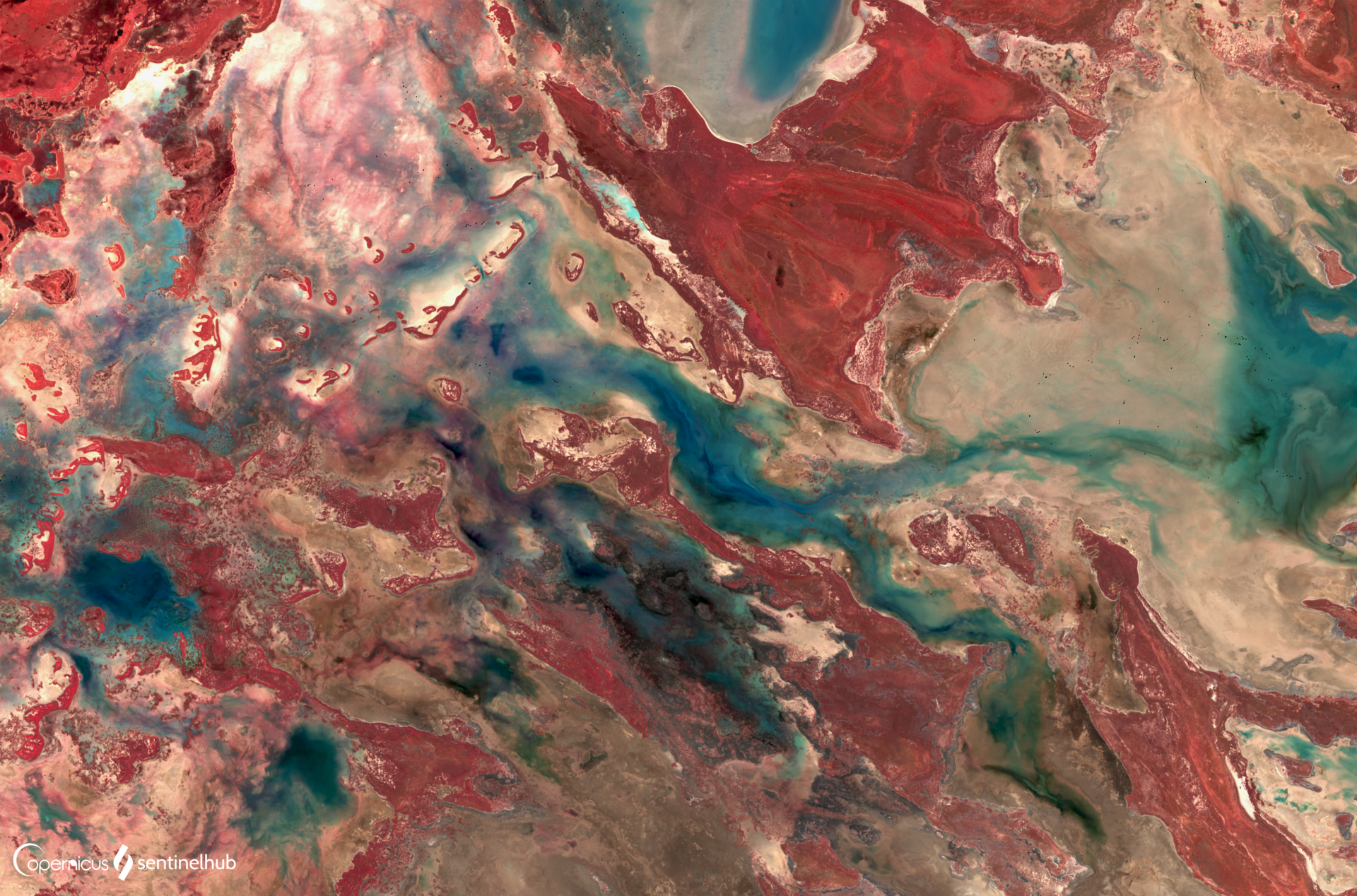
Ntwetwe Pan is one of the two largest pans in the Makgadikgadi system, but its apparent emptiness hides a complicated access question. The pan margin, islands, tracks and wet-season surface do not behave as one destination. A focused visit begins with a named approach and local guide or property.
Botswana Tourism Organisation explains that rain can transform the pans into shallow lakes and draw wildlife to surrounding grasslands. The same transformation can make a dry-looking shortcut dangerous. Treat current surface conditions as a safety issue, not a cosmetic detail.
Last checked
21 September 2026. Conditions, rules and operator arrangements can change. Confirm the details that affect your trip with the responsible authority or operator before travelling.
In this guide
Choose a specific Ntwetwe Pan access point
Gweta-area properties, pan-edge camps and guided excursions may approach different sections. Ask where the activity begins, how long the transfer takes and whether it enters the salt surface or remains on firmer margins. The place name alone does not establish the experience.
Turn that into a practical check: Which named track, island or pan edge will the visit use, and who checked it most recently? Ask for a dated answer, note who supplied it, and keep it with the booking or route plan. That small record is more useful than an undated recommendation copied from another trip.
Let moisture decide the route
A thin dry crust can conceal mud capable of immobilising a heavy vehicle. After rain, avoid independent cross-pan driving unless a competent local operator has confirmed the line. Even in the dry season, follow existing guidance rather than inventing a direct route across the horizon.
Turn that into a practical check: Has the surface been tested after the last rain, and what route is currently being used? Ask for a dated answer, note who supplied it, and keep it with the booking or route plan. That small record is more useful than an undated recommendation copied from another trip.
Choose the right Makgadikgadi base
A property’s location determines which part of the pan it can reach safely and what activities are practical. Compare the exact base, not only the region name.
Define the activity before choosing the month
A dry-season salt landscape, a summer wildlife excursion and a cultural or archaeological stop are different products. A dramatic empty pan does not require the same conditions as a trip aimed at zebra, flamingos or seasonal water. Name the priority first.
Turn that into a practical check: Is the main goal landscape, wildlife, night sky, history or a guided activity, and what conditions does it require? Ask for a dated answer, note who supplied it, and keep it with the booking or route plan. That small record is more useful than an undated recommendation copied from another trip.
Protect the pan surface and its context
Vehicle tracks can scar soft crust and sensitive margins. Follow local instructions, do not drive around a closed or waterlogged section and keep cultural interpretation with qualified guides. The pan is not an unregulated blank space.
Turn that into a practical check: What route and behaviour does the managing community or operator require today? Ask for a dated answer, note who supplied it, and keep it with the booking or route plan. That small record is more useful than an undated recommendation copied from another trip.
Build a wider Makgadikgadi plan
Ntwetwe can pair with the Boteti, Nxai Pan, Nata or a Kalahari stop, but each adds distance and a different seasonal pattern. Two nights at one useful base often reveal more than a sequence of pan names reached in a hurry.
Turn that into a practical check: Which second area adds a genuinely different habitat or activity without creating an overlong travel day? Ask for a dated answer, note who supplied it, and keep it with the booking or route plan. That small record is more useful than an undated recommendation copied from another trip.
Practical checklist
- Name the exact access point and route.
- Check the surface after recent rain.
- Choose the visit around one main activity.
- Follow local instructions on the pan surface.
- Allow enough time for one useful base.
Sources and verification
The main references used for this article were BTO Makgadikgadi and Nxai Pans guide, Botswana Tourism Organisation. The sources answer different parts of the question. Where an authority is silent, a rule is volatile or research does not support a neat conclusion, the article preserves that uncertainty.
Our Makgadikgadi guide provides the regional picture.
A focused Ntwetwe Pan visit is built around a verified line and a clear purpose. That is more valuable than covering a larger area whose surface and access you do not understand.