
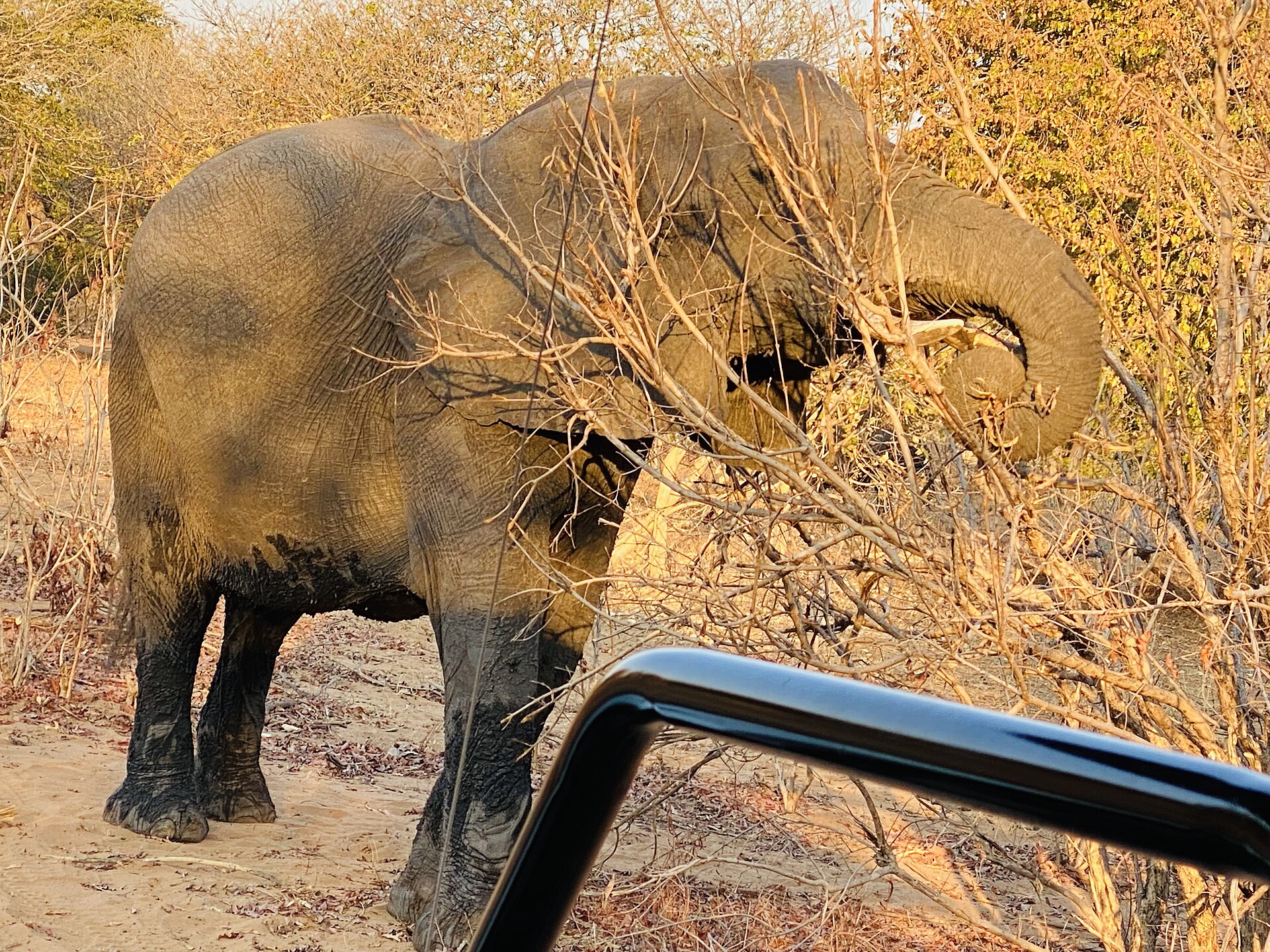
Chobe green season is the summer period when heat, episodic rain and new vegetation reshape the riverfront and the park’s interior. It brings dramatic skies, breeding birds and young animals, but it also disperses some wildlife away from permanent water and can make tracks more demanding.
Botswana Tourism Organisation describes summer as November to March, with October and April as transitions. Those labels are a planning frame rather than a forecast. Rain is regional and irregular, so one month can look very different in consecutive years.
Last checked
21 September 2026. Conditions, rules and operator arrangements can change. Confirm the details that affect your trip with the responsible authority or operator before travelling.
In this guide
Chobe green season: November: the uncertain changeover
November can remain dry and intensely hot or turn green quickly after early storms. Migratory birds begin arriving and the first flush changes feeding conditions. Keep game-drive expectations flexible and plan heat protection even when rain appears in the forecast.
Turn that into a practical check: Has the reliable rain started around your exact base, or is the area still operating like late dry season? Ask for a dated answer, note who supplied it, and keep it with the booking or route plan. That small record is more useful than an undated recommendation copied from another trip.
December and January: heat, rain and new growth
Storms are often short and local rather than continuous. Roads can be wet where another area remains dry. Fresh vegetation spreads animals through woodland and floodplain, while young antelope and active birdlife reward slower observation beyond the famous river concentrations.
Turn that into a practical check: Which roads and activities remain practical after the most recent storms, and what does the operator do when a route closes? Ask for a dated answer, note who supplied it, and keep it with the booking or route plan. That small record is more useful than an undated recommendation copied from another trip.
Combine river and land perspectives
A boat safari and a game drive reveal different parts of Chobe, especially when summer vegetation changes visibility. Choose accommodation that makes both practical.
February: peak-rain uncertainty
BTO identifies January and February as the usual rainfall peak. Humidity, insects and tall grass can be noticeable, yet cloud cover softens light and the landscape can be at its richest. Wildlife viewing may require more patience rather than being objectively poor.
Turn that into a practical check: How are current grass height, standing water and river conditions changing the normal drive plan? Ask for a dated answer, note who supplied it, and keep it with the booking or route plan. That small record is more useful than an undated recommendation copied from another trip.
March: the season begins to ease
Rain often becomes less frequent, though a late system can still reset the roads. Green colour remains and seasonal water is widespread. This is a useful month for travellers who value landscape and birding, provided the itinerary does not depend on one vulnerable track.
Turn that into a practical check: Which access points have a robust all-weather alternative if late rain arrives? Ask for a dated answer, note who supplied it, and keep it with the booking or route plan. That small record is more useful than an undated recommendation copied from another trip.
April: shoulder-season trade-offs
April is transitional. Days generally become more comfortable, vegetation can stay green and seasonal water begins shrinking. The river remains a constant reference, but animal distribution and boating conditions should be checked locally rather than inferred from a dry-season brochure.
Turn that into a practical check: Are activities now following an early-dry-season pattern, or is summer water still shaping the area? Ask for a dated answer, note who supplied it, and keep it with the booking or route plan. That small record is more useful than an undated recommendation copied from another trip.
Practical checklist
- Expect heat even during rainy weeks.
- Pack rain protection and insect precautions.
- Check road conditions after recent storms.
- Include birding and landscape goals, not only large-herd expectations.
- Ask how boat and drive schedules change in summer.
Sources and verification
The main references used for this article were BTO climate guide, BTO time-to-visit guide, BTO Chobe National Park guide. The sources answer different parts of the question. Where an authority is silent, a rule is volatile or research does not support a neat conclusion, the article preserves that uncertainty.
Use the Chobe National Park guide for the wider route.
Chobe green season rewards travellers who value change itself. Choose the month by its trade-offs, then let the current rainfall pattern refine the plan.