
Namibia to Maun via Ghanzi
The western way into Botswana: about 535 kilometres from the Mamuno border to the Okavango gateway, on tar the whole way, with one town in the middle that decides whether you do it in one day or two.
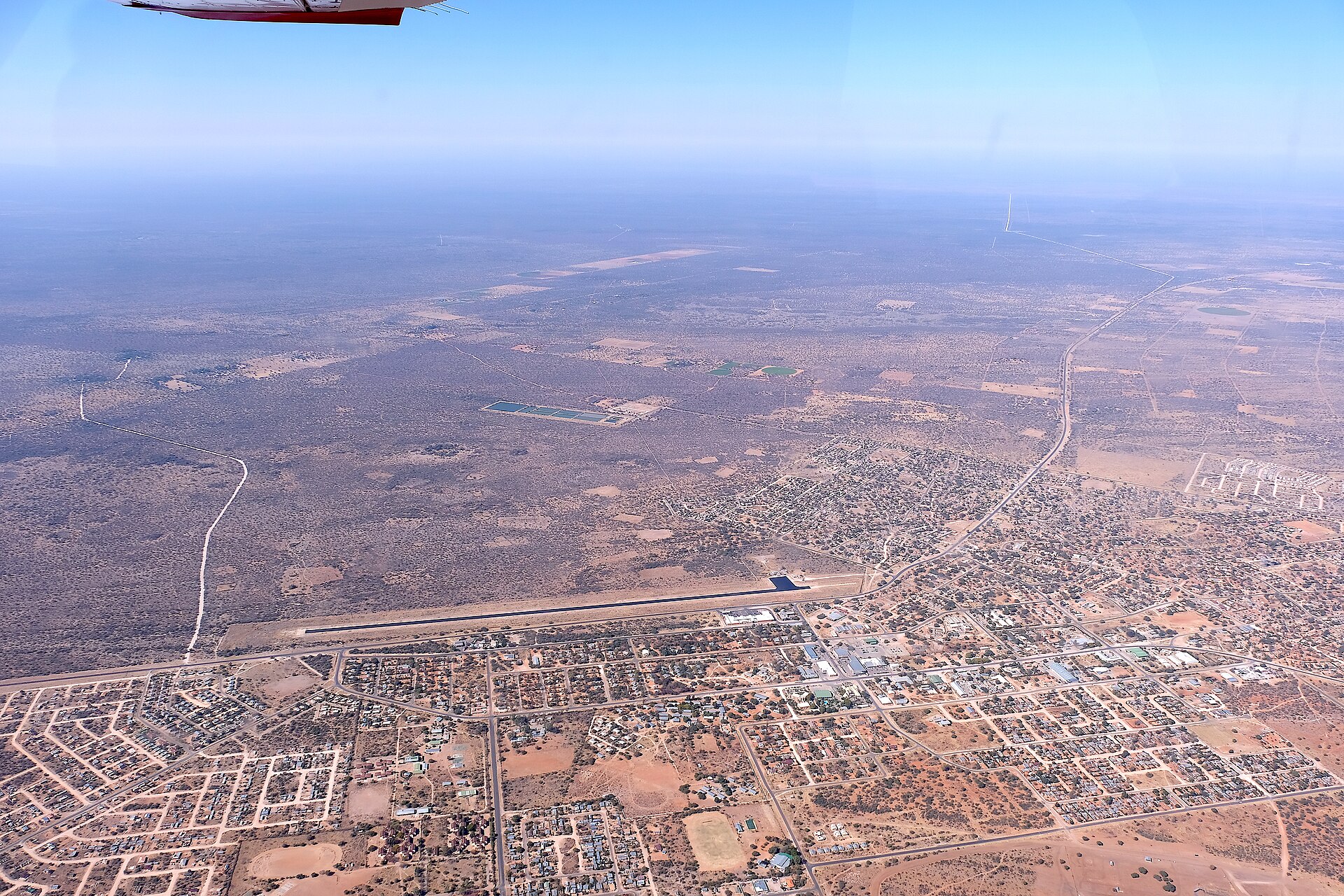
Ghanzi accommodationSelf-drive BotswanaGhanzi from the air. Photo: Cindy Heppelmann / Hp.Baumeler, CC BY-SA 4.0, via Wikimedia Commons.
The route, and the two roads it uses
This is not one road. It is the tail of the Trans-Kalahari Highway followed by the whole length of another.
The A2, the Trans-Kalahari Highway, runs roughly 762 km across Botswana from the Mamuno border with Namibia to Pioneer Gate on the South African side, via Ghanzi, Jwaneng, Kanye and Lobatse. It is the main Pretoria–Windhoek corridor and it is the reason Ghanzi sees traffic at all. Coming from Namibia you use only its first stretch: about 165 km east from the border to the junction with the A3, which sits some 45 km south of Ghanzi.
From there the A3 carries you north-east to Maun, about 325 km, past Lake Ngami and through Sehithwa and Toteng.
- Mamuno border to Ghanzi — roughly 210 km
- Ghanzi to Maun — about 325 km on the A3
- Total, border to Maun — roughly 535 km, all tar
One day or two?
Five hundred and thirty-five kilometres of tar looks like a long but ordinary day. In practice, three things make it longer than the arithmetic: a border crossing at the start, a road surface that is genuinely variable, and the fact that you will almost certainly leave Windhoek or Gobabis rather than the border itself.
Windhoek to Mamuno is a substantial drive before you have entered Botswana at all. If you start there, Ghanzi is the honest end of day one and Maun is day two. If you overnight on the Namibian side near the border and cross early, Maun in one day is achievable — but it is a long, dull, hot day that ends in a town where you probably want to be functional.
Almost everyone who does this route regularly stops at Ghanzi. That is what the town is for.
Ghanzi, and why it is the stop
Ghanzi sits near the fork where the Trans-Kalahari Highway divides traffic between Gaborone, Maun and Namibia. Botswana Tourism describes it as the country’s cattle-farming hub, with over 200 farms in the district supplying a large share of the beef the Botswana Meat Commission exports.
For a traveller that shapes the accommodation. The mix here is not what you find elsewhere: farm-based lodges and campsites out on the Ghanzi farms, a small number of hotels and guesthouses in town, and places connected to the San communities around D’Kar, 35 km north. Much of it exists for people crossing the Kalahari rather than staying in it, which is exactly what you are doing.
It is also the last substantial town before the Central Kalahari Game Reserve, so a night here is part of the supply plan as much as the sleep plan.
Where to stay in Ghanzi
Farm lodges, campsites and town guesthouses at the halfway point of this drive.
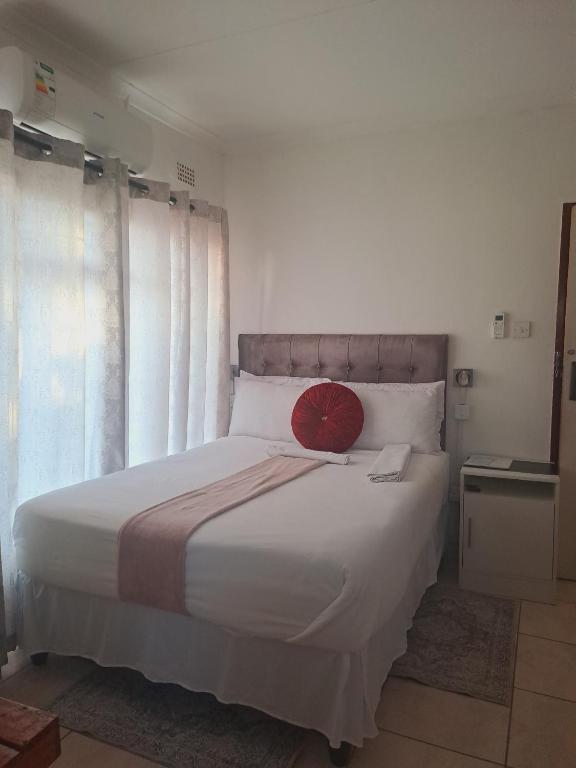
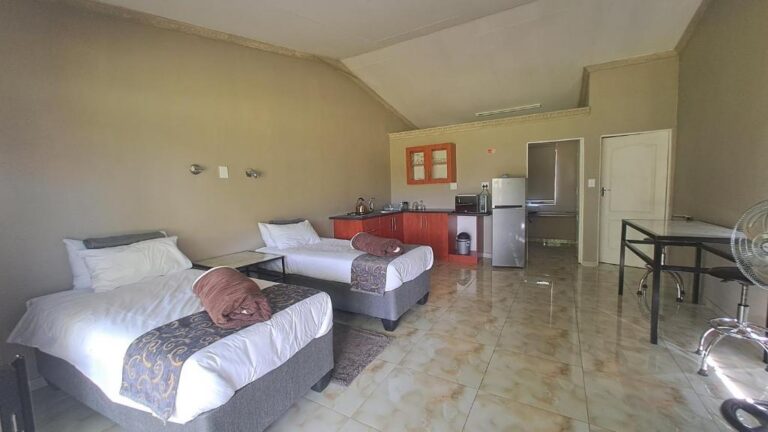
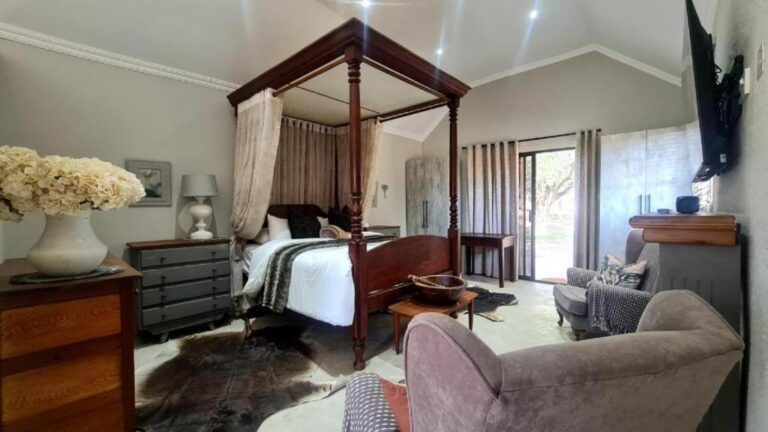
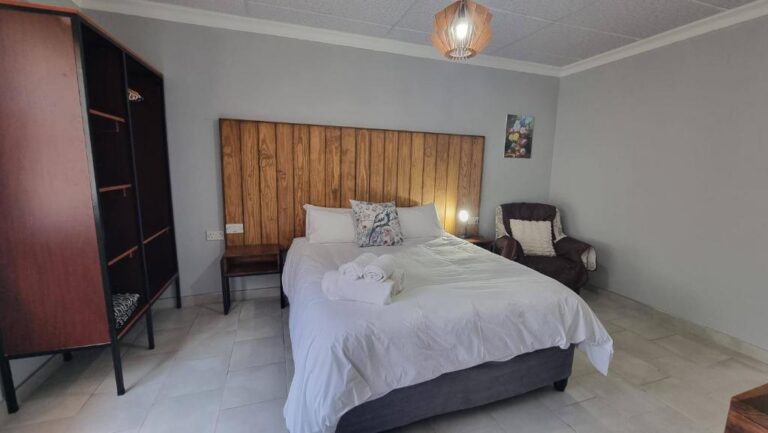
Every card opens our own property page first. We publish no rates, no availability and no ratings of our own.
The road, honestly
Tar does not mean easy on the A2. The real hazards are long distances between settlements, livestock on the road, and variable surface condition — potholes on the Trans-Kalahari have been flagged as an immediate danger. Driving it after dark is the mistake visitors most often regret.
The A3 leg from Ghanzi to Maun is the same proposition with fewer settlements again. Botswana’s speed limit is 120 km/h on the open tar and 60 km/h through towns and villages, and driving is on the left. Botswana Tourism’s standing advice to self-drivers is to watch for wildlife and domestic animals on the roads; on this route that means cattle above all, in a district built around them.
Fuel and supplies
- Fill on the Namibian side before Mamuno, and again in Ghanzi. Between them there is very little.
- Ghanzi is the resupply point for fuel, water and stores on the whole western crossing.
- Maun is the first full-service town at the eastern end — hire yards, charter flights, provisioning for the Delta.
- Botswana Tourism advises self-drive travellers to carry serious long-range fuel capacity as a matter of course. This is one of the routes that advice was written for.
The border at Mamuno
Mamuno is one of ten posts on Botswana’s land borders. The full list, and which country and road each serves, is in our entry requirements guide.
Mamuno on the Botswana side faces Buitepos on the Namibian side, and the A2 becomes Namibia’s B6 towards Gobabis and Windhoek. It is a working commercial crossing on the Pretoria–Windhoek corridor rather than a tourist post, which usually means it is efficient and occasionally means you are behind freight.
Confirm your own entry position and, if you are driving a hire vehicle, its cross-border paperwork, before the day — see Botswana entry requirements. A hire company’s cross-border letter is the document people most often discover they do not have at the barrier.
Arriving in Maun
Maun is the Okavango gateway and the light-aircraft hub, and it is where this drive stops being a transit and starts being a trip. If you are flying into a Delta camp the next morning, the 12 kg soft-bag limit on light aircraft means you will be repacking in Maun rather than at the airstrip — which is a good reason to arrive with the afternoon still in front of you.
Where to stay in Maun
The eastern end of the drive, and the base for everything that follows.
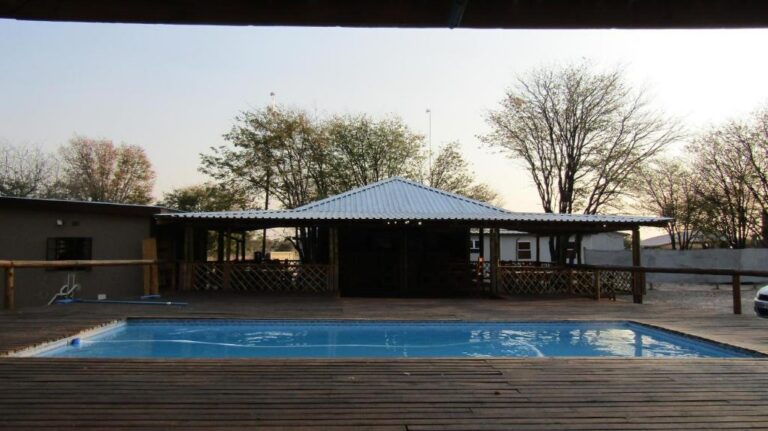
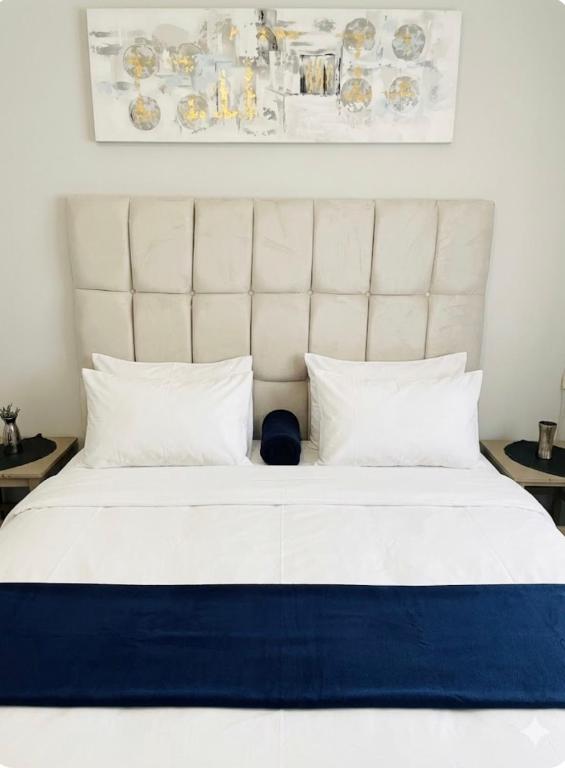
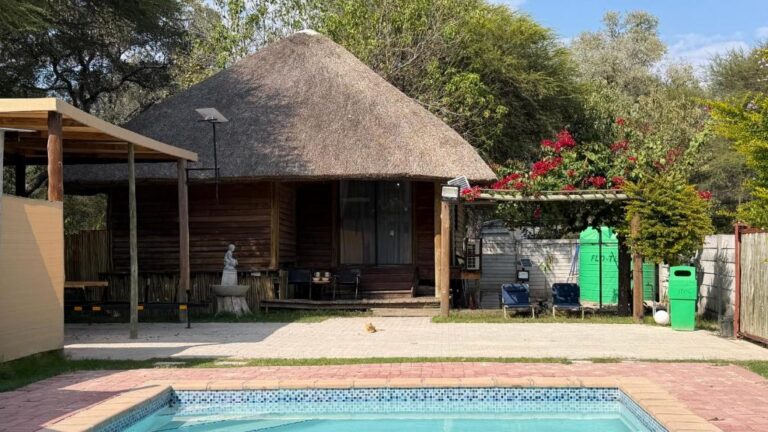

Every card opens our own property page first. We publish no rates, no availability and no ratings of our own.
Our Maun travel guide covers basing, the airstrip logic and how long to stay.
Arriving in Maun and continuing north-east? The next decision is Maun to Kasane: 600 km of tar via Nata, or three to five days of park tracks through Moremi and Savuti.
Doing it eastbound to westbound
Maun to Namibia is the same route reversed, and the fuel logic is unchanged: Maun, then Ghanzi, then across. The one asymmetry is the border. Leaving Botswana at Mamuno late in the day puts you on the Namibian B6 towards Gobabis in the dark, which is a worse road to be on unfamiliar and tired. Plan to cross in the morning.
Plan the rest of your trip
- Ghanzi travel guide and Maun travel guide — the two towns on this route.
- The Kalahari — the region the A2 crosses, and the reserves behind it.
- 4×4 and vehicle requirements — not needed for this road, essential for anything off it.
- Accommodation in Ghanzi, accommodation in Maun, or every town archive.
- Maun to Nata — the next leg east if you are crossing the country.
Sources and references
- Botswana Tourism — Ghanzi, for the cattle district, the farm count and D’Kar
- Botswana Tourism — self-drive and camping advice
- Government of Botswana — border and entry information
Break it at Ghanzi.
Five hundred and thirty-five kilometres, a border, and a road surface that rewards patience. The town in the middle exists for exactly this drive.
Ghanzi accommodationGhanzi travel guide