
Francistown
Botswana’s second city and the northern crossroads — where a Botswana trip becomes a choice of three roads.
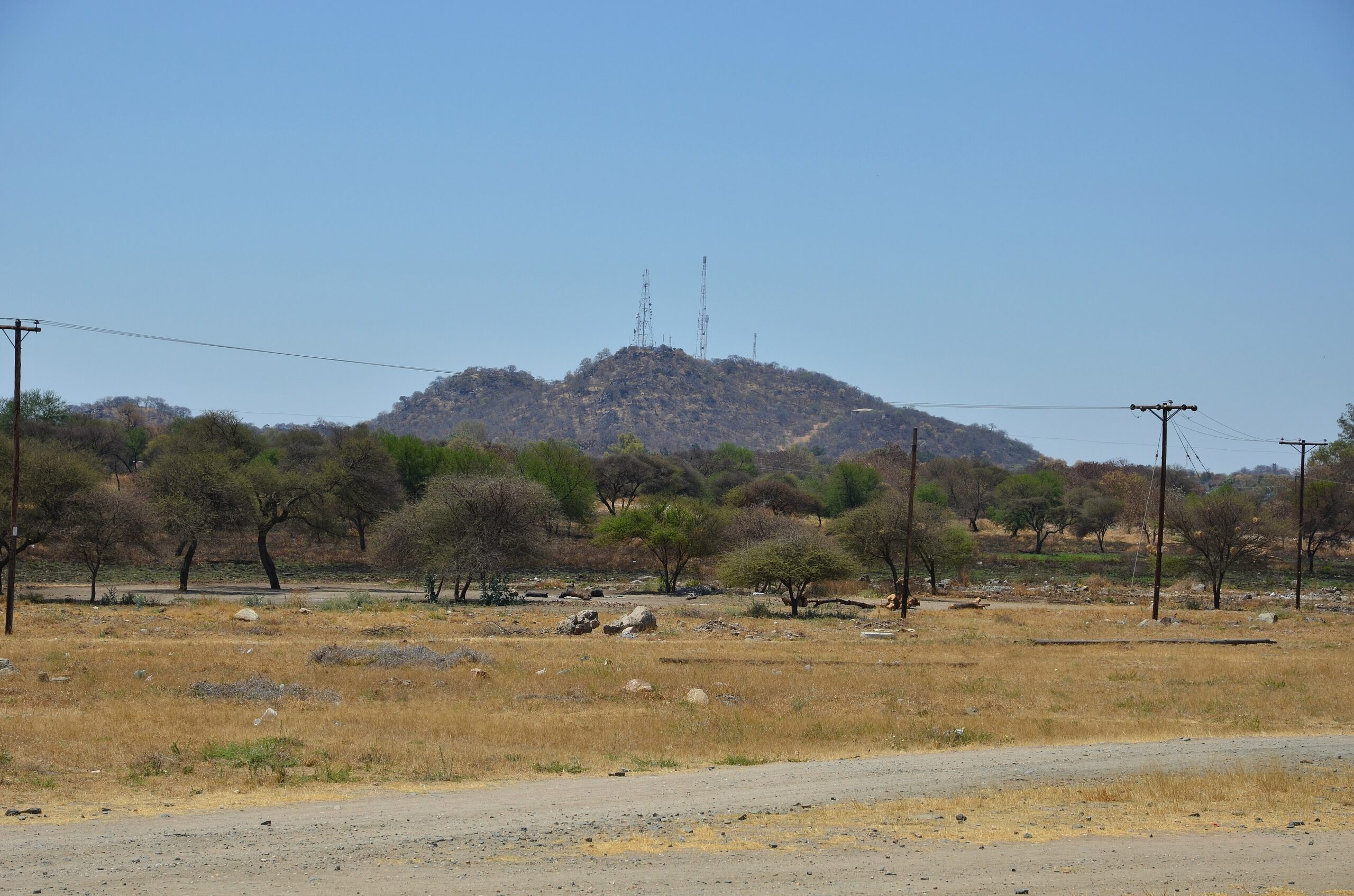
Eastern BotswanaAll destinationsA hill topped with communication masts above thorn bush on the edge of Francistown, Botswana, photographed in September 2014. Photo: Pavel Špindler, CC BY 3.0, via Wikimedia Commons.
Francistown is Botswana’s second city and the country’s northern crossroads. Botswana Tourism calls it the Capital of the North, and its real function is simpler than that: it is where a Botswana trip stops being one journey and becomes a choice of three.
- Where
- North-east Botswana, near the Tati and Inchwe confluence
- Status
- Second-largest city; the Capital of the North
- Zimbabwe border
- A few kilometres away
- Named after
- Daniel Francis, prospector, licences from 1869
- Best for
- A halfway night, the Supa Ngwao Museum, Domboshaba
- Typical stay
- One night
- Vehicle
- Ordinary car; tar in every direction
In this guide
- Where Francistown is, and the choice it presents
- Gold, the Tati Concessions and the name
- Supa Ngwao Museum
- Domboshaba
- Where to stay, and how long
- Onward routes
- Using Francistown well
- Best time to visit Francistown
Where to stay in Francistown
The properties we have checked in Francistown itself. Each card opens our own property page first.
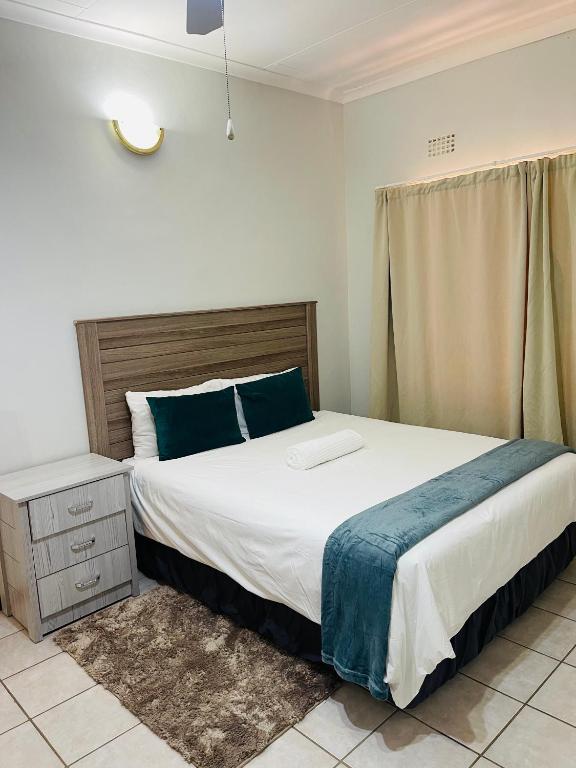
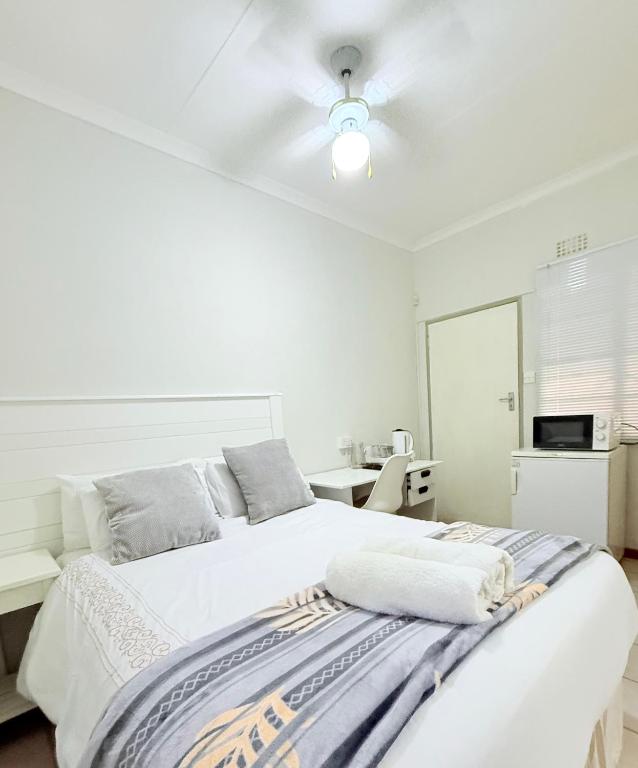
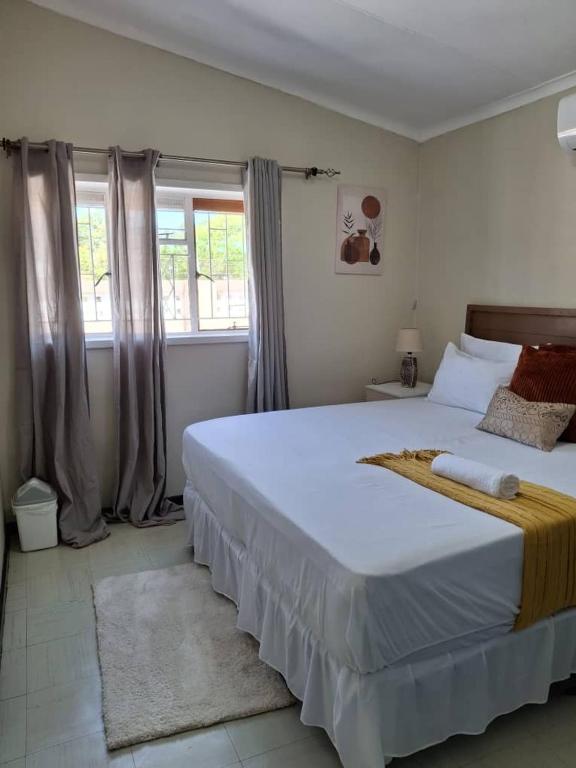

View all 34 Francistown properties
Every card opens our own property page first. We publish no rates, no availability and no ratings of our own.
View all accommodation in Francistown, or all Eastern Botswana accommodation — 104 properties we have checked. We publish no rates, no availability and no ratings of our own.
Where Francistown is, and the choice it presents
The city sits in the north-east, close to the confluence of the Tati and Inchwe rivers and a few kilometres from the Zimbabwe border. Botswana Tourism describes it as an excellent halfway point from Gauteng or Gaborone when travelling to Maun, Kasane or Victoria Falls, and that is exactly the role it plays.
Arrive in Francistown and three roads open. West on the A3 towards Nata, and from there either to Maun and the Delta or north to Chobe. North-east to the Zimbabwe border and Bulawayo. South on the A1 back towards Gaborone and the south-east, through Palapye and Mahalapye. Almost nobody comes here as a destination; almost everybody driving in Botswana passes through.
The city is home to many Kalanga people, and the language and greetings you hear here differ from the Setswana of the south. That is one of the quieter pleasures of stopping rather than refuelling and moving on.
Gold, the Tati Concessions and the name
Francistown is named after Daniel Francis, a British prospector who acquired prospecting licences in 1869 and went on to become a director of the Tati Concessions Company. The city grew out of that gold rush rather than out of a traditional settlement, which makes it unusual among Botswana’s towns.
One detail from Botswana Tourism is worth carrying around the region: Francis and other prospectors often used ancient gold-mining shafts as guiding points for their own prospecting. The nineteenth-century rush was following workings that were already old. That is the single most interesting thing about this city, and it connects directly to the stone-walled sites out to the north.
Supa Ngwao Museum
The Supa Ngwao Museum is the reason to give Francistown an afternoon. It runs exhibitions on the culture and history of the Kalanga people and maintains a craft shop that supports around 200 craftsmen and craftswomen. Guided walking tours are available.
A museum that funds two hundred local makers is doing something more useful than most souvenir shopping, and buying here is a better use of money than buying at an airport.
Domboshaba
North of the city, Domboshaba is a stone-walled site dating to around 1450 AD, built without cement, with walls and enclosures still standing. It was among the first national monuments gazetted in Botswana, in 1938.
Take it together with the prospectors’ ancient shafts and a picture forms: this corner of Botswana was a worked, organised, trading landscape centuries before Daniel Francis arrived to name a town after himself.
Botswana has only two World Heritage Sites, Tsodilo and the Okavango Delta, and neither is here. Domboshaba is a national monument, and it is quiet and lightly interpreted. Go for the history, not for a visitor centre.
Where to stay, and how long
Francistown is a working town, and its bed stock reflects that: mostly guesthouses and hotels rather than lodges.
Accommodation in Francistown is business-and-transit shaped: hotels and guesthouses serving people who are working here or breaking a long drive. That is not a criticism, it is what a halfway city is for.
We publish no rates, no availability and no ratings of our own; what we can tell you is what a property is and where it sits. Start at accommodation in Botswana.
One night is right for most trips. Two if you want the museum unhurried and Domboshaba as well, which together make a genuinely worthwhile day and are the only reason to treat Francistown as more than a stop.
Onward routes
This is the practical heart of the page.
- West to Nata, about 180 km. The junction for Maun and the Delta in one direction and Kasane and Chobe in the other. See Nata.
- North-west to Kasane via Nata and the A33, for Chobe and the Victoria Falls run. See Kasane.
- South on the A1 through Palapye and Mahalapye to Gaborone, with Serowe and Khama Rhino Sanctuary a short detour west.
- North-east to Zimbabwe, a few kilometres to the border and on towards Bulawayo. That is a separate country’s entry requirements; ours are on Botswana entry requirements.
Everything here is tar and an ordinary car will do it. The 4×4 requirement begins where the parks begin, not here.
East of the A1, reached by a tarred spur between Palapye and Francistown, Selebi-Phikwe is the other town of any size on this side of the country and the cheapest place to sleep in eastern Botswana.
Using Francistown well
Francistown is the last full-service city before some long and thinly served legs, and that is the practical case for stopping properly rather than passing through.
West of here the A3 runs about 180 km to Nata and then a further 300 km to Maun, with villages rather than towns in between. North, the run to Kasane is roughly 480 km through Nata. In both directions the supermarkets, banks, workshops and spare parts thin out sharply once you leave. If a tyre, a battery or a shopping list needs attention, this is the place.
It is also the sensible place to make the decision the city exists to present. Trying to do Chobe, the Delta and the pans from a single base is the commonest planning error on a first Botswana drive, and the distances above are why. Choosing one direction here and doing it properly beats collecting all three badly — which is the argument our itineraries make in detail.
Best time to visit Francistown
As a transit city Francistown works year-round. Winter, May to August, gives warm days and cold nights; summer, November to March, is hot with afternoon storms and rain peaking in January and February.
What actually matters is the season of wherever you are heading next, because Francistown is a hinge between regions that peak at opposite ends of the year. That is set out in full on best time to visit Botswana.
Sources and references
- Botswana Tourism Organisation — Francistown (second city and Capital of the North, Tati and Inchwe confluence, Daniel Francis and the Tati Concessions, ancient shafts, Kalanga population, Supa Ngwao Museum, Domboshaba)
- Botswana Tourism Organisation — Climate (seasons, temperatures, rainfall distribution)
Reviewed August 2026. Museum hours, border arrangements and road conditions change; if something here is out of date, tell us.
Plan the rest of your trip
Francistown is a junction. These are the three directions worth taking from it.
Gaborone to Francistown: leg distances, timings and where to break the drive.
Open →Francistown to KasaneThe A3 and A33 north: 480 km, the fuel decision at Nata, and the elephant stretch.
Open →NataThe next junction west, and the turn for Maun or for Chobe.
Open →Khama Rhino SanctuaryThe community sanctuary south of here, and the best rhino viewing in Botswana.
Open →Eastern BotswanaThe wider region: the A1 corridor, Serowe, Tuli and the Tswapong Hills.
Open →A halfway city worth half a day.
Most people refuel and leave. The museum and Domboshaba are the argument for staying the night you were going to spend here anyway.
Eastern BotswanaItinerariesNorthern Tuli Game ReserveTwo and a half hours east, and the reason many trips come through Francistown at all.
Open →View all accommodation in Francistown — every property we have published there, each with our own write-up before any booking route.